


'Talking about Risk and Resilience' workshop
A 4TU.Resilience Engineering workshop at Wageningen University & Research, taking place from Wednesday 28 October, 12:00pm, to Friday 30 October, 12:00pm.
Generally, people do not use the words “risk” or “resilience”, but they do talk about a host of issues and stories connected to these concepts, shaping how they think about the various threats to their lives and how to put themselves in a better position to deal with them. In other words, how non-professionals think and talk about this. This workshop is a chance to discuss research about this and connect to other researchers concerning this domain.
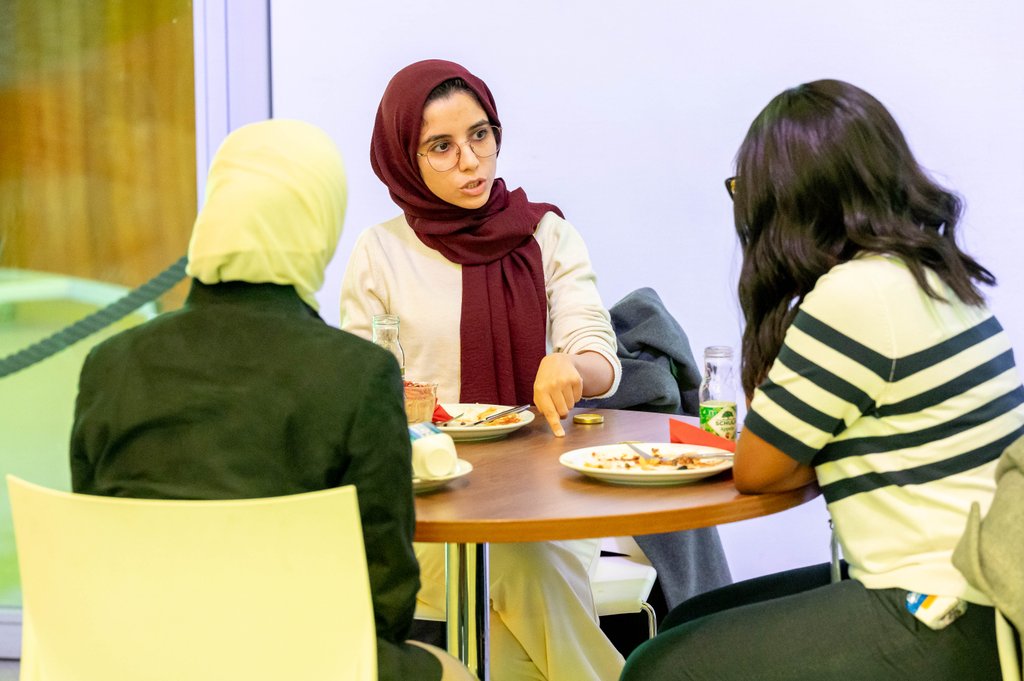
Discussing Resilience | Picture credit: Erno Wientjens
Whilst there is a lot of academic discussion concerning how ‘Risk’ and ‘Resilience’ should be defined and/or understood, how non-academics actually talk and think about these is relatively under-studied. These could include: people at risk in a crisis situation (especially different kinds of disadvantaged people), first responders as well as planners and policy actors. Such wider conceptions are of huge importance in terms of:
- Being able to address people’s concerns regarding risk and resilience
- Understanding which stories/memes etc. about risk- and resilience-related events (and their mitigation) spread and why
- Understanding better the context for any official “expert/politician → public” communication
Thus, far from being a secondary concern – something usually only thought about when it comes to broadcasting official messages (if at all) – common understandings and stories will frame the response of most people to any crisis. This makes the issue central to risk and resilience concerns, for planning but more basically as a way into what the widespread concerns of people are and how they think of them. Methodologically, advancing the understanding of how people understand these ideas is challenging. Given that it is hard to collect data about how people think, the bulk of this workshop will focus on example communications and their analysis, but could include any approaches that are relevant to their understanding.
Aims and objectives
The main aim of the workshop is to bring people together, who are interested or researching things relevant to the above topic to: foster discussion on the topic, facilitate synergy between the participants, start further initiatives and, generally, help foster a community around the topic. A secondary aim is to bring social scientists and more traditional risk and resilience researchers together, for better mutual understanding.
As well as initiating discussions between different types of researchers, fostering interest in the topic and a greater awareness of the importance of the topic, we will aim to produce the following more concrete objectives:
- Plan an application for a larger, Lorenz Workshop on a similar topic to occur sometime in 2027/8.
- Collect a glossary of some of the terms used and the different meanings that workshop participants attribute to them
- A list of some of the relevant literature on the topic
- A “map of ignorance”, being a list of important issues/aspects/questions about which there is relatively little awareness or knowledge at the moment.
For all news and updates about the workshop see its blog at: https://talking-about-risk-and-resilience.blog/