


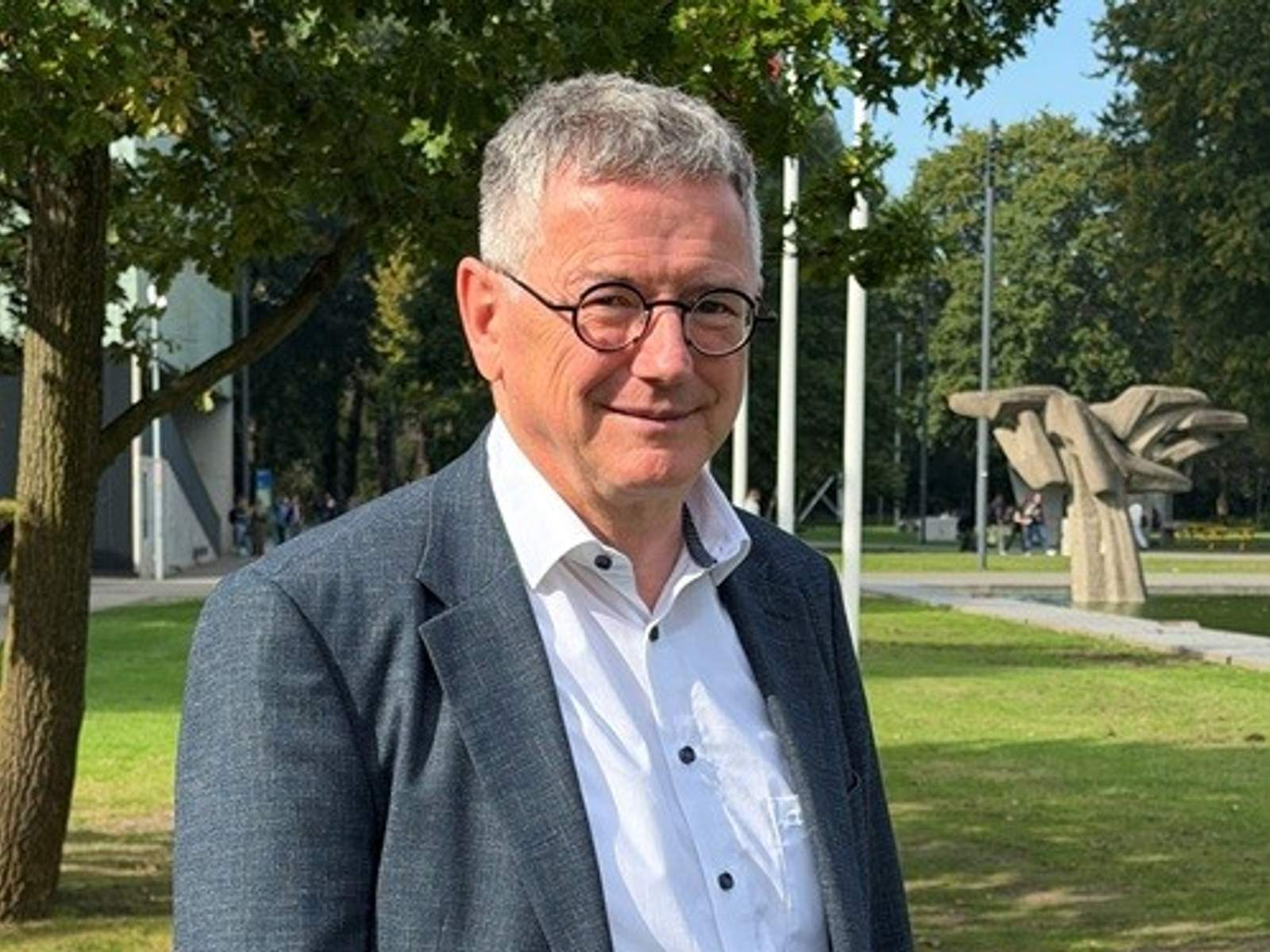
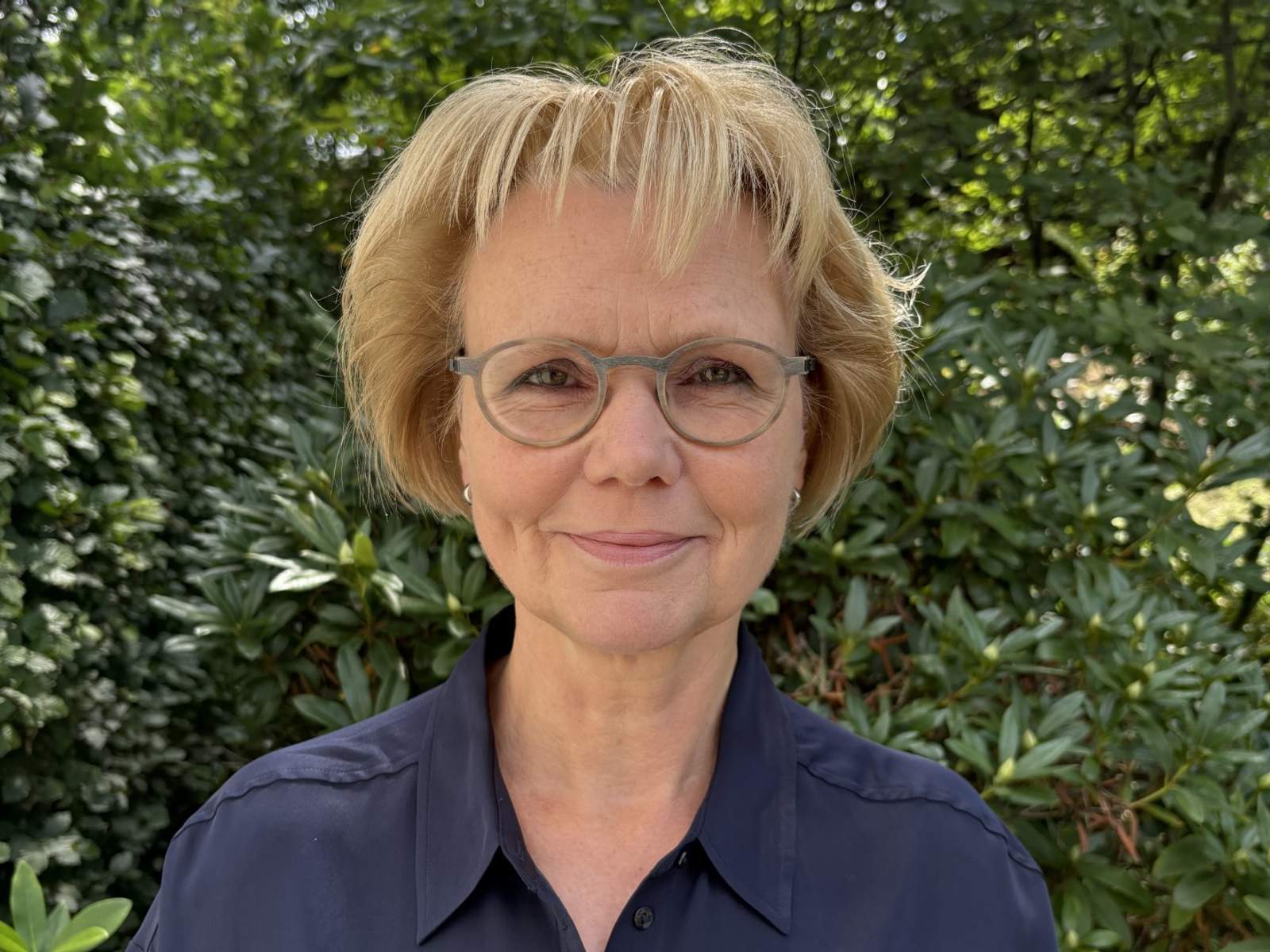
With Mark van den Brand as Director and Marion Kempeners as Policy Advisor, 4TU.SAI has welcomed a new leadership duo. While they bring different backgrounds and perspectives, they share the same ambition: to further strengthen the position of the EngD programs. Together, they aim to safeguard quality, foster closer collaboration between universities, and increase the visibility and impact of EngD in industry and society.
For Mark, the world of EngD is a familiar one. He has been involved in the programs for many years as a lecturer, supervisor of EngD trainees, and in various governance roles. Since 2025, he has served as Director of 4TU.SAI. Marion brings a different perspective. After studying Industrial Engineering and completing her PhD at Eindhoven University of Technology, she spent more than 25 years in industry, working among other roles as an organisational and sustainability consultant. In early 2026, she returned to academia and joined 4TU.SAI as Policy Advisor.
Together, they combine extensive EngD expertise, practical experience, and a fresh perspective. “I’m very happy to have Marion on board,” says Mark. “We’ve already made great progress together.”
A shared ambition for EngD
According to Marion, 4TU.SAI plays an important connecting role between the universities. The institute provides a platform where programs can align and collaborate on a common foundation, while each program retains its own identity and expertise.
Looking ahead, Mark and Marion have identified three clear priorities: safeguarding quality, improving collaboration, and increasing impact. Together, these pillars will help create a future-proof EngD ecosystem.
The first pillar is quality. Certification, program reviews, and continuous improvement must ensure that EngD programs demonstrably meet the required standards. However, for Mark, quality extends beyond processes and procedures. He believes recognition of the EngD as a fully-fledged postgraduate pathway can be strengthened further. While a PhD focuses on research, the EngD centres on designing solutions to complex challenges. According to Mark, this distinctive profile deserves greater visibility and appreciation.
Strengthening collaboration across universities
A second key ambition is to strengthen collaboration between universities. Each institution has its own programs, expertise, and ways of working. Marion sees this diversity as one of the strengths of 4TU.SAI: bringing together knowledge and experiences so programs can learn from each other.
Sharing best practices and lessons learned can contribute to further quality enhancement. This alignment is becoming increasingly important as the portfolio of EngD programs continues to evolve. Mark welcomes new programs, provided they offer a clear distinction and respond to a concrete need from industry and society.
Maintaining strong connections with practice remains essential. Organisations must present real-world challenges where EngD trainees can apply their design skills and academic knowledge. Relationships with companies are primarily managed by the individual programs, which are best placed to understand their fields and professional networks.
Increasing the impact of EngD
The third pillar focuses on impact. According to Mark and Marion, having strong programs is not enough; people outside the universities should also understand what the EngD represents and what impact its projects create.
Marion sees significant potential in sharing stories from practice. What challenge was addressed? What was designed? What results were achieved? By giving trainees and industry partners a platform to share their experiences, the value of the EngD becomes more tangible and relatable. Initiatives such as the KIVI EngD Award have already contributed to this visibility.
EngD for industry and society
For Mark, the value of the EngD extends beyond industry alone. Programs should address today’s societal challenges and contribute to technological, economic, and social impact. Marion strongly supports this vision. Drawing on her industry experience, she sees the strength of the EngD in its ability to connect knowledge with application. As a result, strong projects not only help organisations move forward but also contribute to the innovative capacity of the Netherlands.
Moving forward together
The common thread running through their plans remains clear: safeguarding quality, strenghten collaboration, and increasing impact. Quality provides the foundation, collaboration drives development, and a clearer profile demonstrates what makes the EngD unique and valuable.
Although they have only recently started working together, their direction is already well defined. By combining their experience and perspectives, Mark and Marion aim to continue building a future-proof 4TU.SAI and EngD programs whose quality is recognised, whose knowledge is shared, and whose impact is felt across industry and society.