


How can research contribute to a sustainable, reliable and affordable energy system? This was the central question explored during the 4TU.Energy PhD Course 2026, held on 2 and 3 November in Utrecht. Bringing together PhD researchers, academics and industry experts, the two-day course explored the energy transition from technological, systemic and societal perspectives.
Under the theme “System, Sustainability and Societal Aspects in the Energy Transition”, the annual course offered participants an opportunity to look beyond their individual research disciplines and understand how different technologies, infrastructures and stakeholders interact in the transformation of our energy system.
Organised by 4TU.Energy, the course brought together expertise from the Dutch universities of Technology – TU Delft, Eindhoven University of Technology, University of Twente, Wageningen University & Research, and University of Groningen – alongside contributions from industry (ROSEN, Enexis) and other knowledge partners (Energy Innovation NL, ISPT).
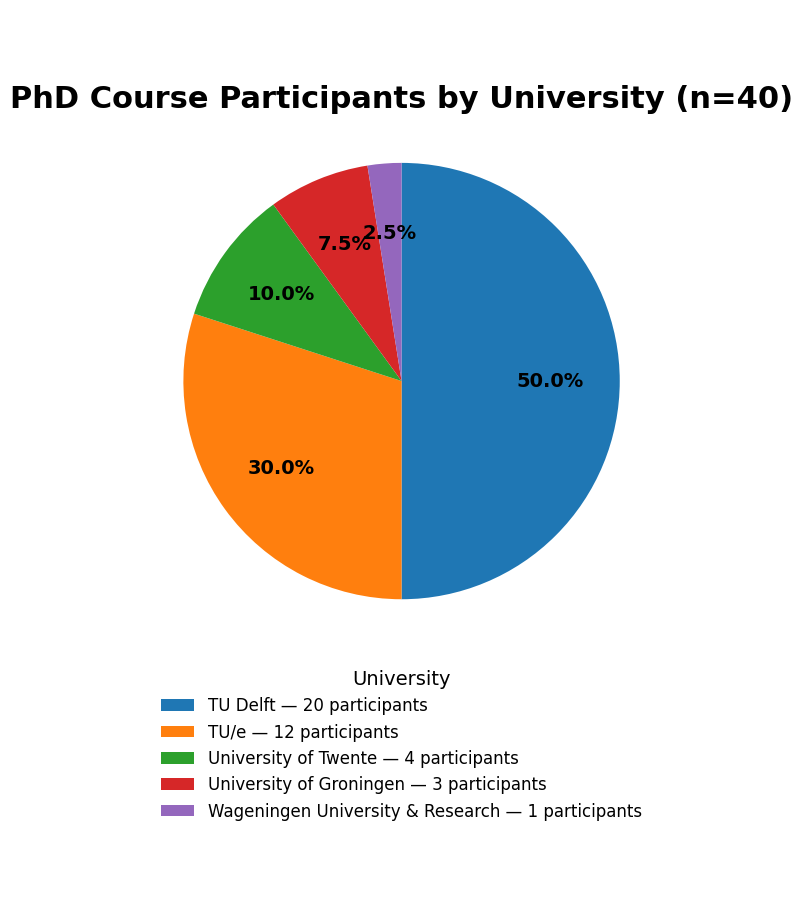
Participants Overview 2026
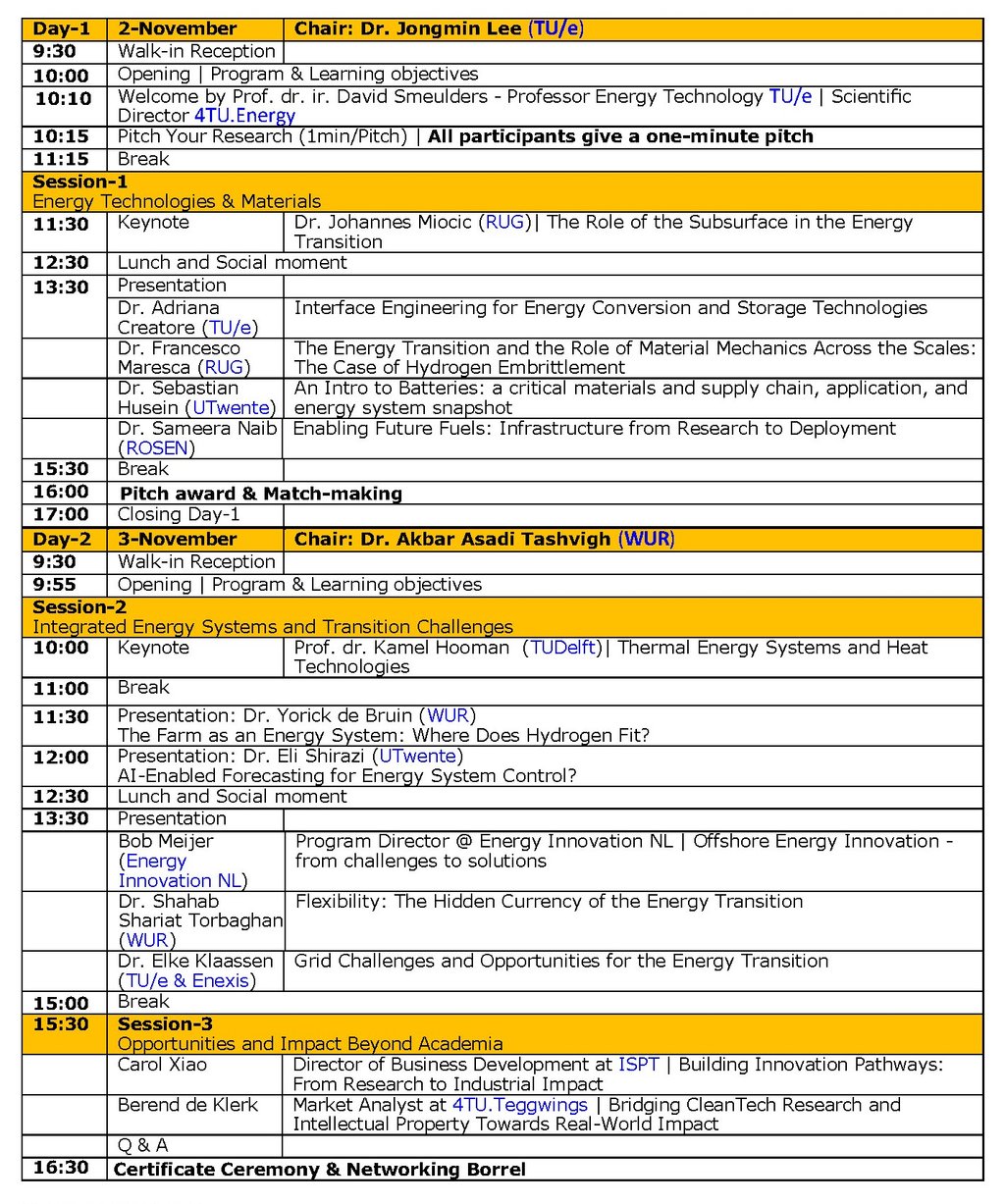
2-Day Course Program 2026
From energy technologies to the materials and infrastructure behind them
The first day (Chair: Dr. Jongmin Lee) focused on energy technologies and materials, highlighting the scientific and engineering foundations needed to enable the energy transition.
Following the opening by Prof. dr. ir. David Smeulders, Scientific Director of 4TU.Energy, participants introduced their own research through a series of one-minute pitches, providing an opportunity to discover common interests and potential connections across disciplines. Most participants had also taken part in a pitch training session beforehand, helping them sharpen their presentation skills and build confidence in communicating their research to a wider audience.
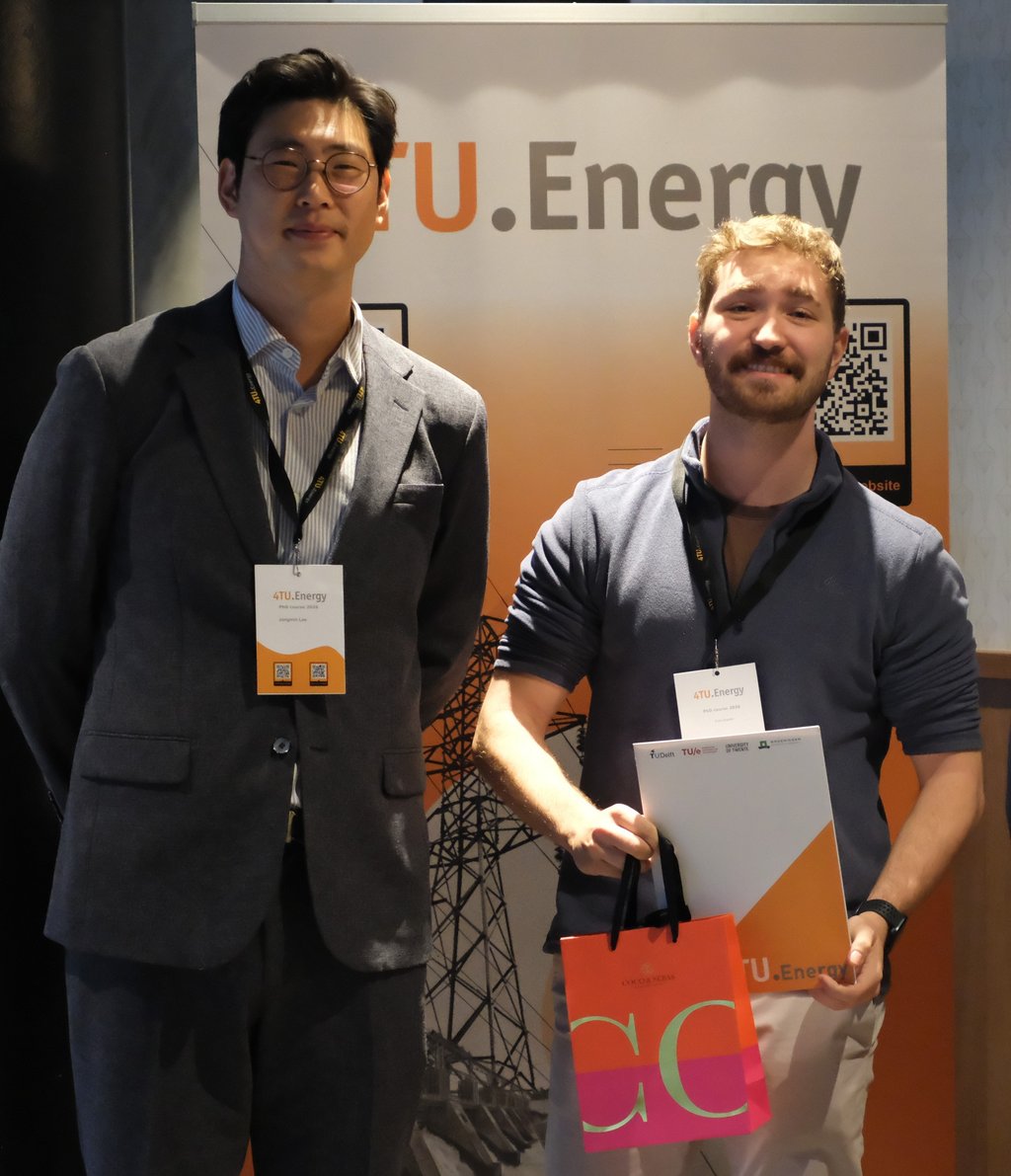
Chair presents the Pitch Award to the winner: Enzo Zugliani from TU/e
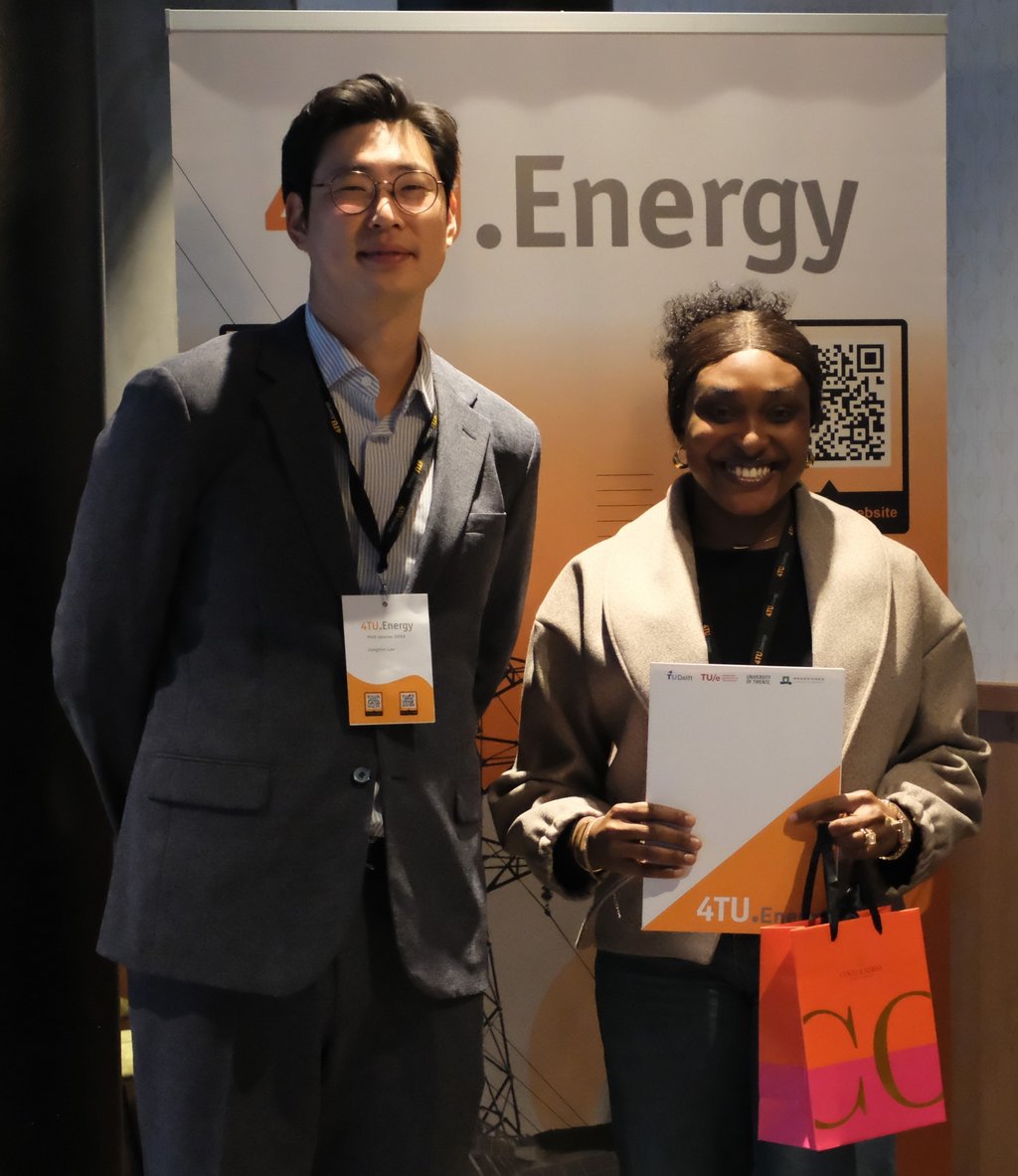
Chair presents the Pitch Award to the winner: Victory Abada from TU Delft
The keynote lecture by Dr. Johannes Miocic from the University of Groningen explored the role of the subsurface in the energy transition, highlighting the importance of underground resources and geological systems in developing future energy solutions.
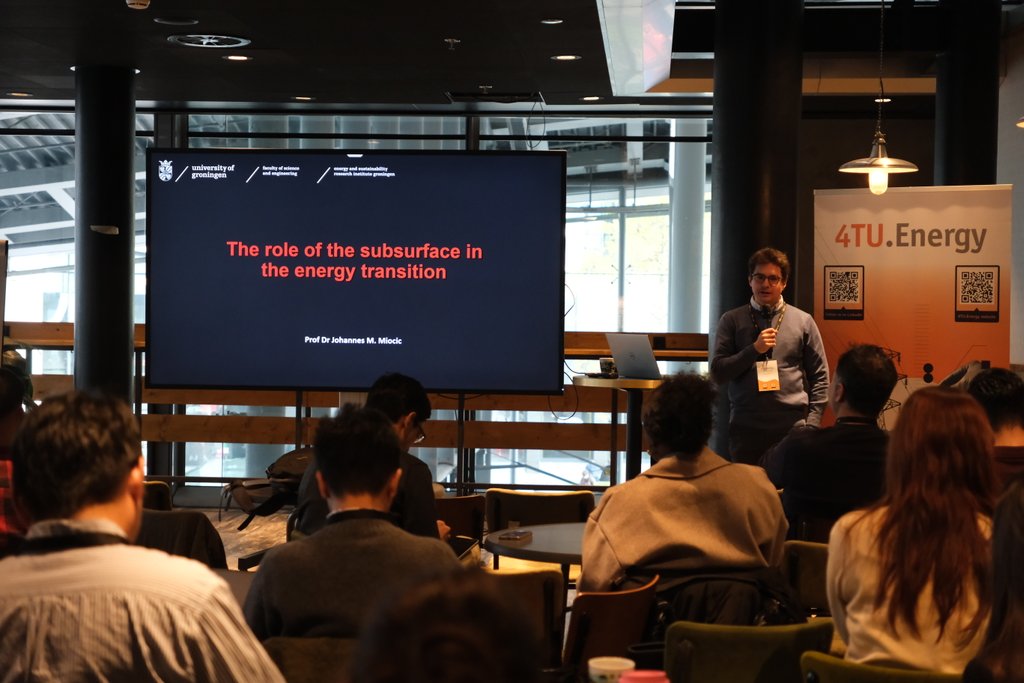
Dr.Johannes Miocic (University of Groningen) discusses the role of the subsurface in the energy transition during the course.
The afternoon sessions examined several technological challenges. Dr. Adriana Creatore (TU/e) discussed interface engineering for energy conversion and storage technologies, while Dr. Francesco Maresca (University of Groningen) explored the relationship between materials mechanics and the energy transition, using hydrogen embrittlement as a case study.
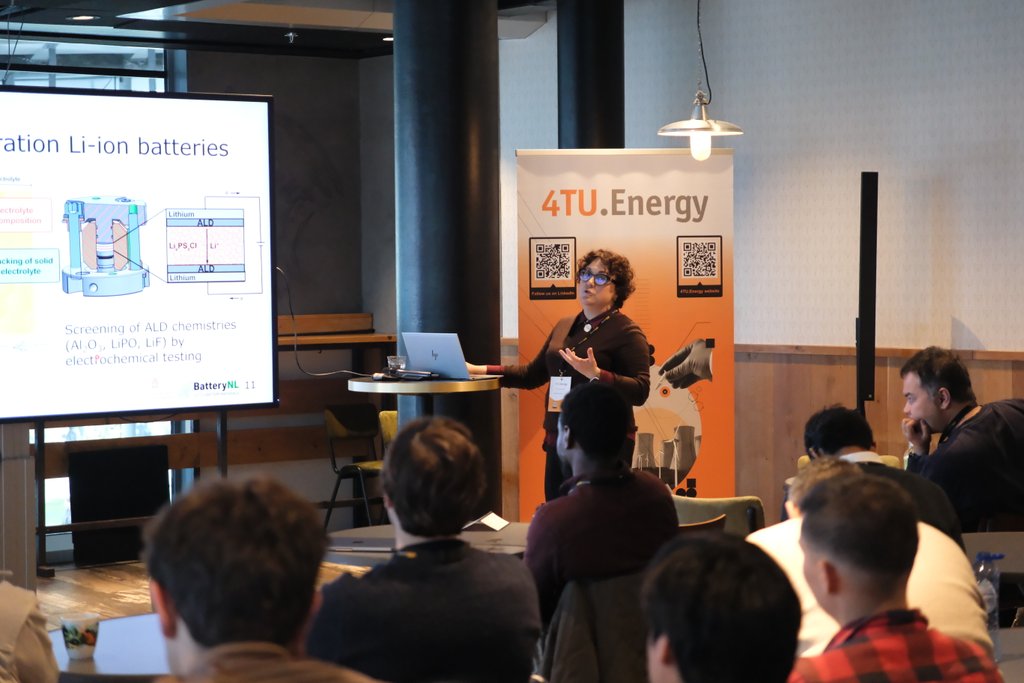
Dr. Adriana Creatore gives a presentation during the course.
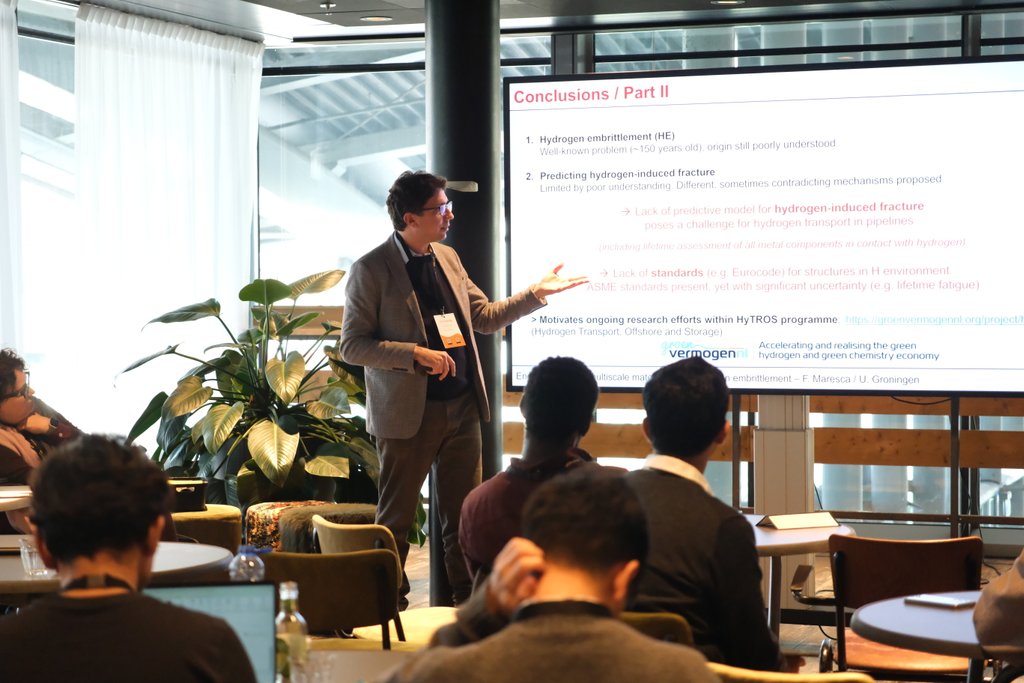
Dr. Francesco Maresca concludes his presentation during the course.
Dr. Sebastian Husein (University of Twente) provided an introduction to batteries, examining critical materials, supply chains, applications and their role in the wider energy system. Complementing this perspective, Dr. ir. Sameera Naib (ROSEN) addressed the infrastructure needed to enable future fuels, emphasising the importance of understanding material compatibility, asset integrity and safety when adapting existing infrastructure or developing new facilities for hydrogen, CO₂ and other emerging energy carriers.
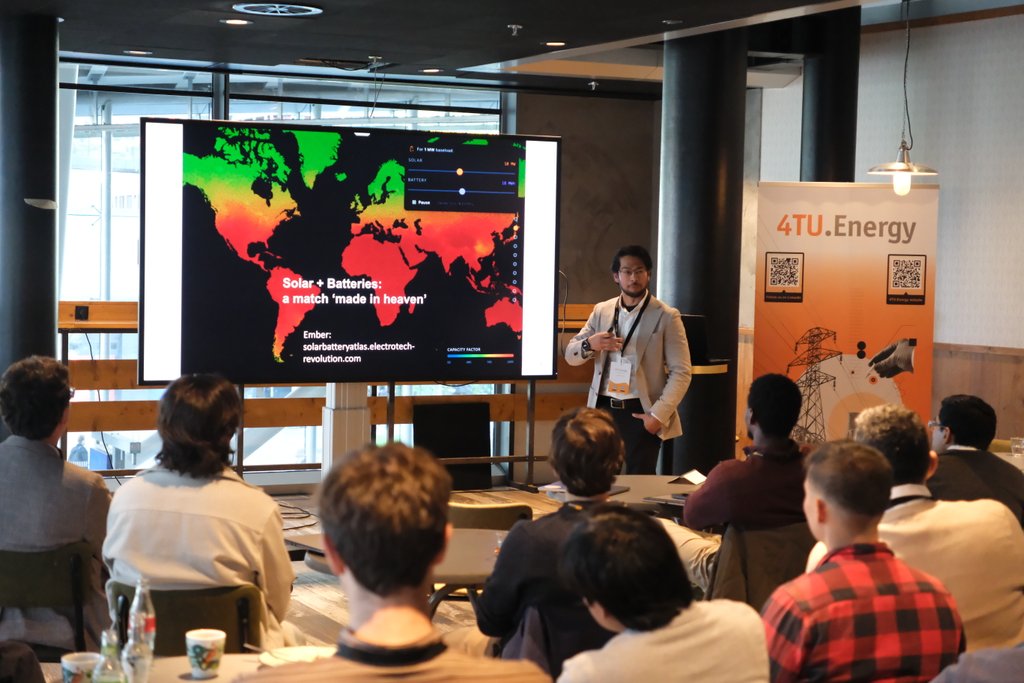
Dr. Sebastian Husein introduces the role of batteries in the energy transition.
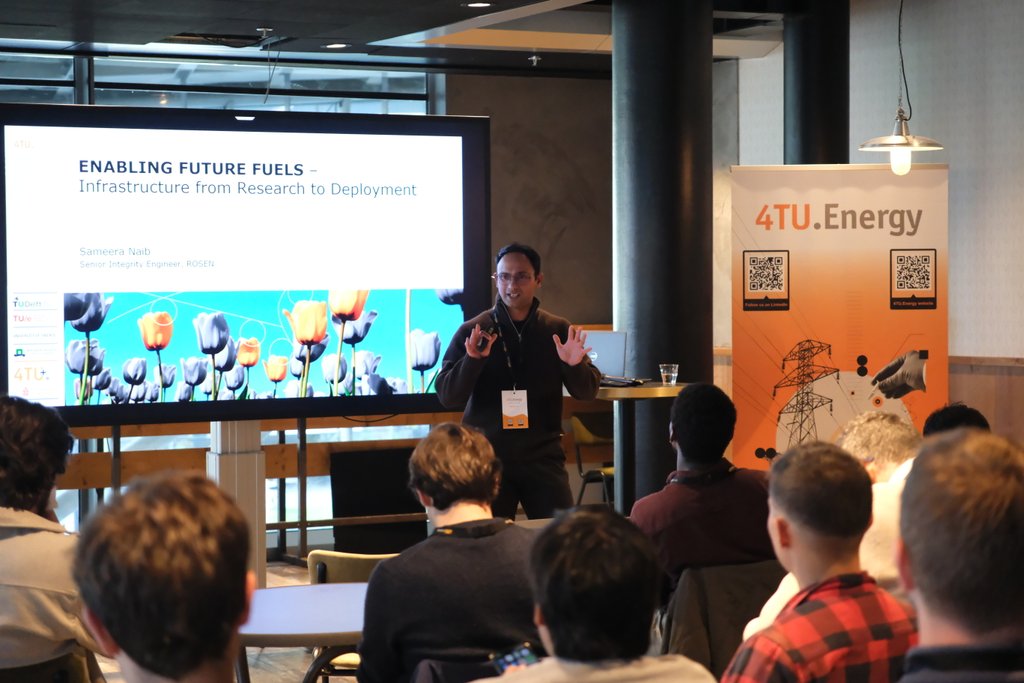
Dr. Sameera Naib gives a presentation from an infrastructure perspective.
Together, these contributions demonstrated that the energy transition depends not only on new technologies but also on the materials, infrastructure and engineering knowledge required to deploy them safely and at scale.
Understanding the energy system as an integrated whole
The second day (Chair: Dr. Akbar Asadi Tashvigh) shifted the focus towards integrated energy systems and the wider challenges of the energy transition.
In his keynote lecture, Prof. dr. Kamel Hooman (TU Delft) explored thermal energy systems and heat technologies, highlighting opportunities in electrification, heat pumps and solar thermal energy.
Dr. Yorick de Bruin (Wageningen University & Research) examined the farm as an energy system, using the example of milk production to illustrate the energy demands throughout the agricultural value chain.
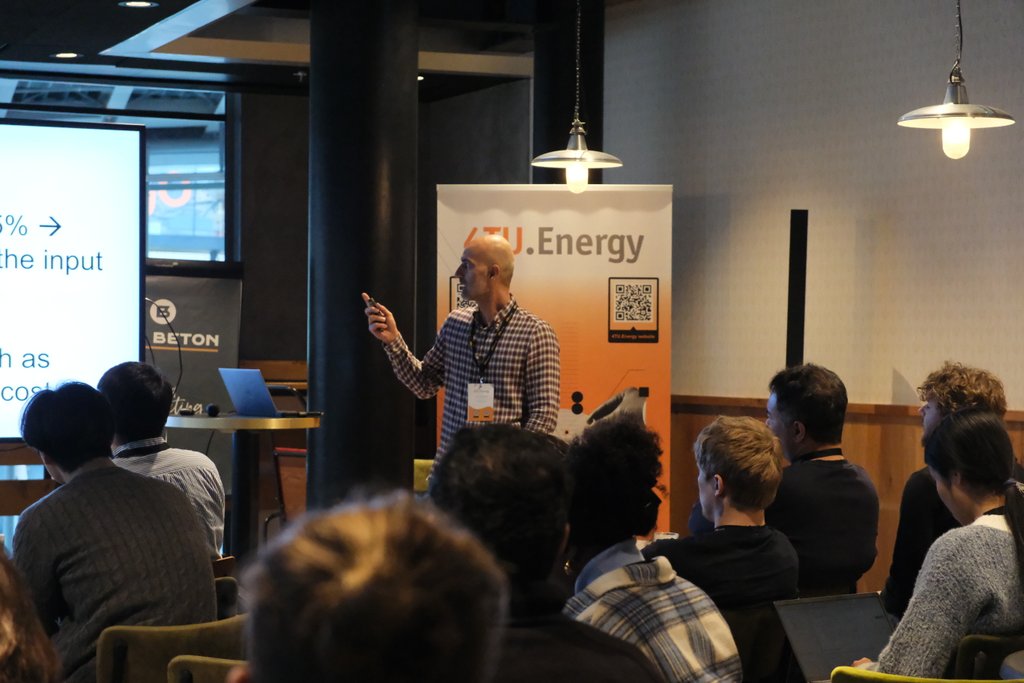
Prof. Dr. Kamel Hooman talks about thermal energy systems during the course.
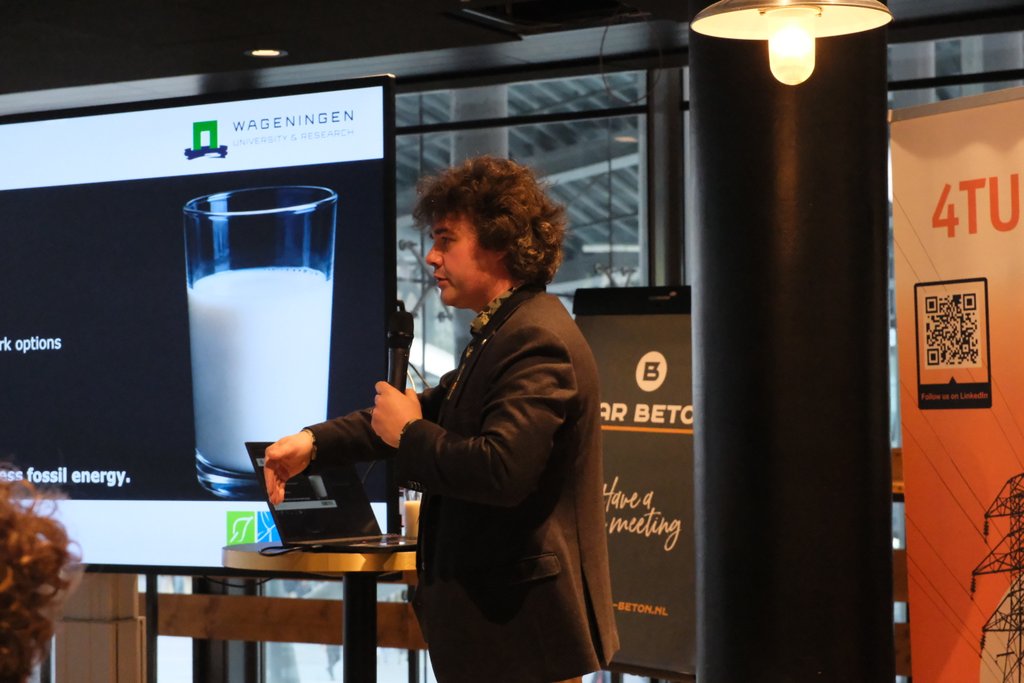
Dr. Yorick de Bruin uses the example of milk during his presentation.
Dr. Eli Shirazi (University of Twente) introduced AI-enabled forecasting for energy system control, exploring how improved predictions of energy generation and consumption can support the management of increasingly complex and decentralised energy systems.
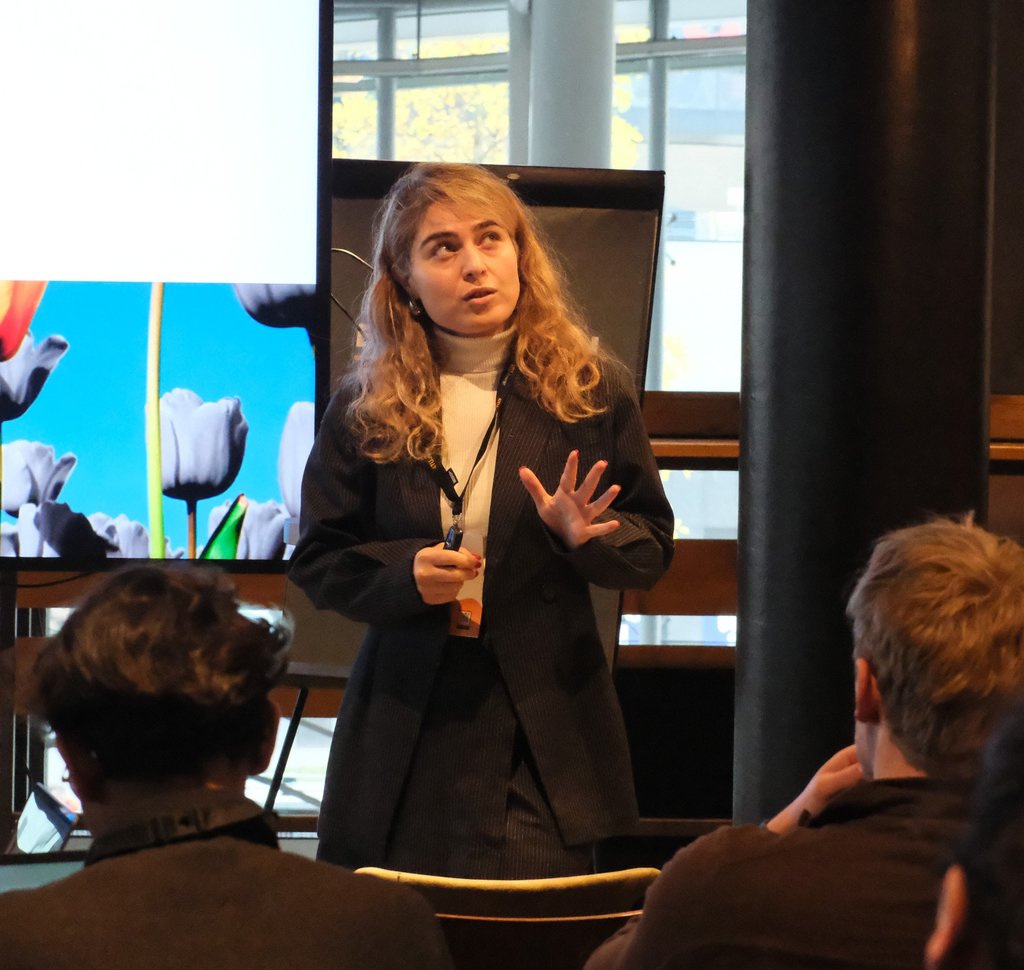
Dr. Eli Shirazi answers the questions from the participants during the course.
The afternoon broadened the discussion to system flexibility, grid infrastructure and offshore energy innovation. Bob Meijer (Energy Innovation NL) explored the challenges and opportunities in offshore energy innovation, while Dr. Shahab Shariat Torbaghan (Wageningen University & Research) highlighted the importance of flexibility in balancing supply and demand as renewable energy becomes more prominent.
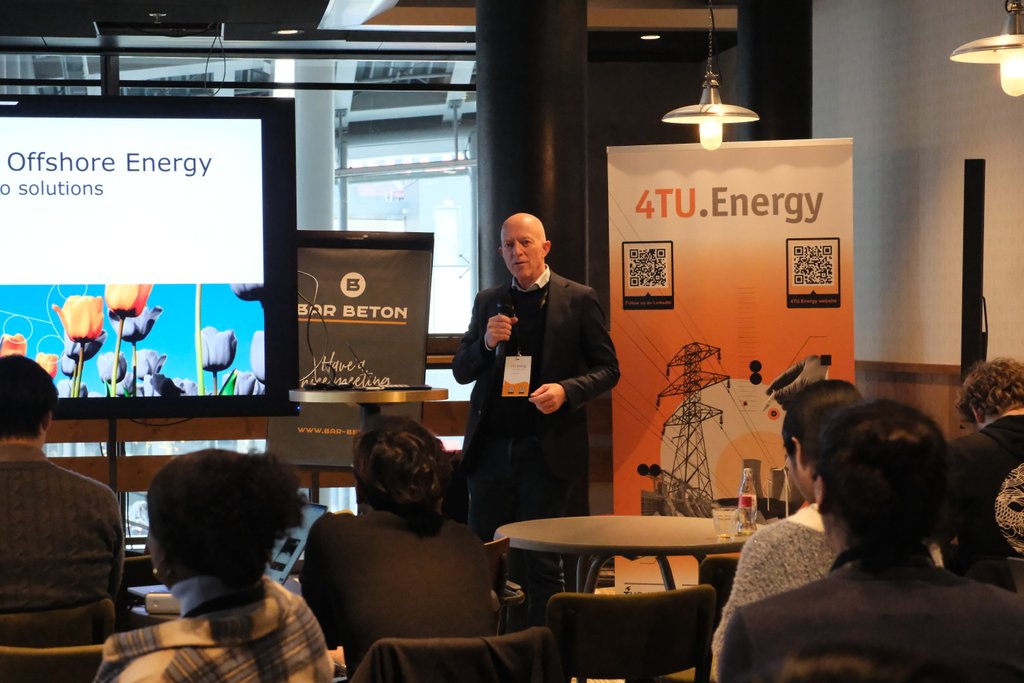
Introduction about Offshore Energy from Bob Meijer.
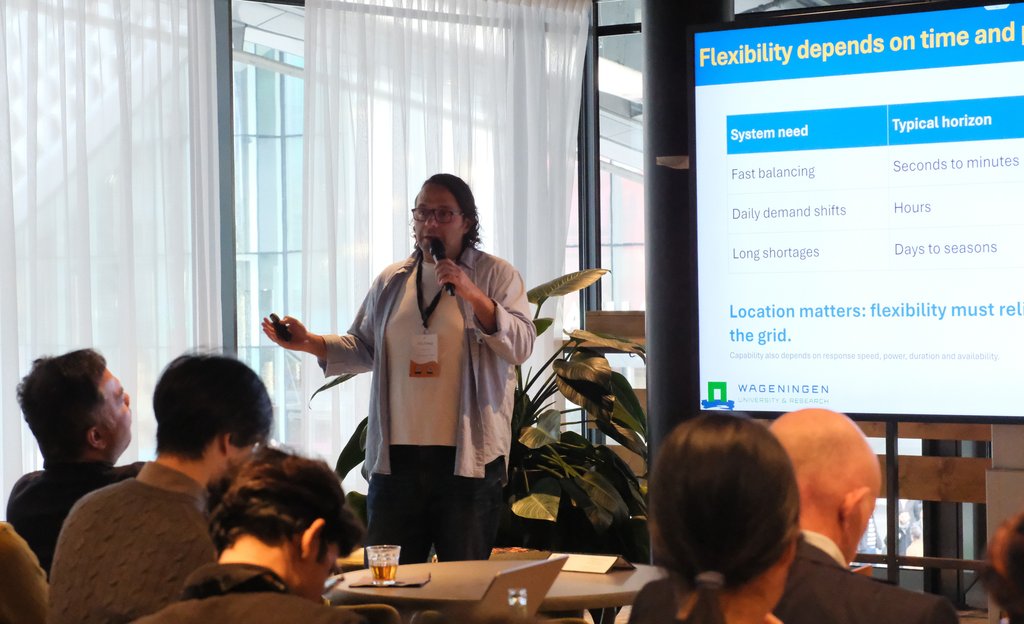
Dr. Shahab Shariat Torbaghan highlights the importance of flexibility in balancing supply and demand.
Dr. ir. Elke Klaassen (TU/e and Enexis) addressed the growing challenges facing electricity networks, including grid congestion and the need for substantial grid expansion. She highlighted how smart planning, flexibility and more efficient use of existing infrastructure can help manage these challenges while limiting costs and spatial impact.
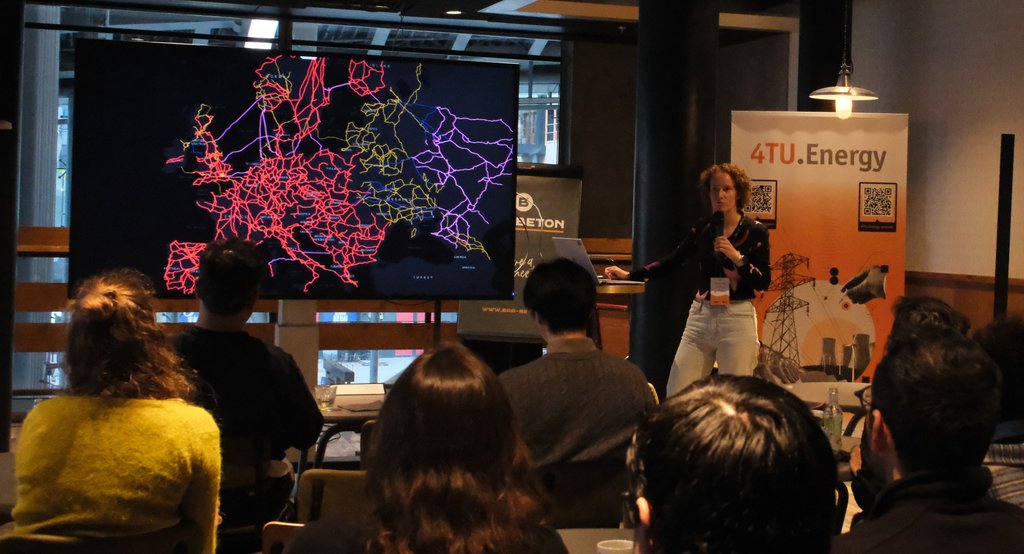
Dr. Elke Klaasen addresses the growing challenges facing electricity networks during her presentation.
Together, the presentations illustrated that the energy transition cannot be addressed through individual technologies or disciplines alone. It requires an integrated approach that connects technological innovation, infrastructure, system flexibility and data-driven solutions.
From academic research to real-world impact
The final session, Opportunities and Impact Beyond Academia, focused on how research can move towards practical applications and contribute to industrial innovation.
Carol Xiao, Director of Business Development at the Institute for Sustainable Process Technology (ISPT), discussed pathways for building innovation and translating research into industrial impact. Berend de Klerk, Market Analyst at 4TU.Teggwings, explored how CleanTech research and intellectual property can be connected to create opportunities for real-world applications.
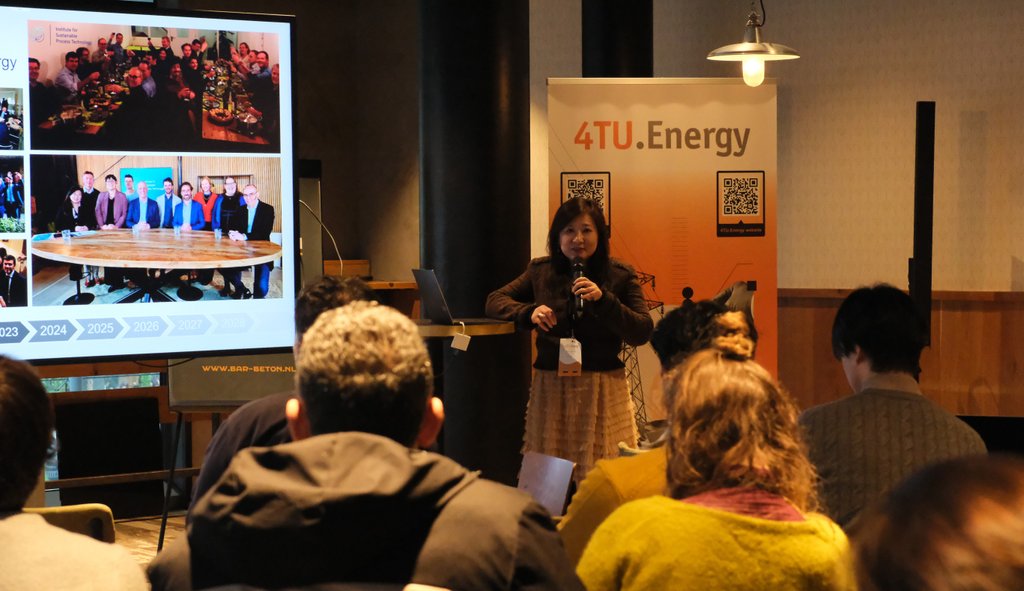
Carol Xiao shares her experience building partnerships that drive innovation and industrial impact.
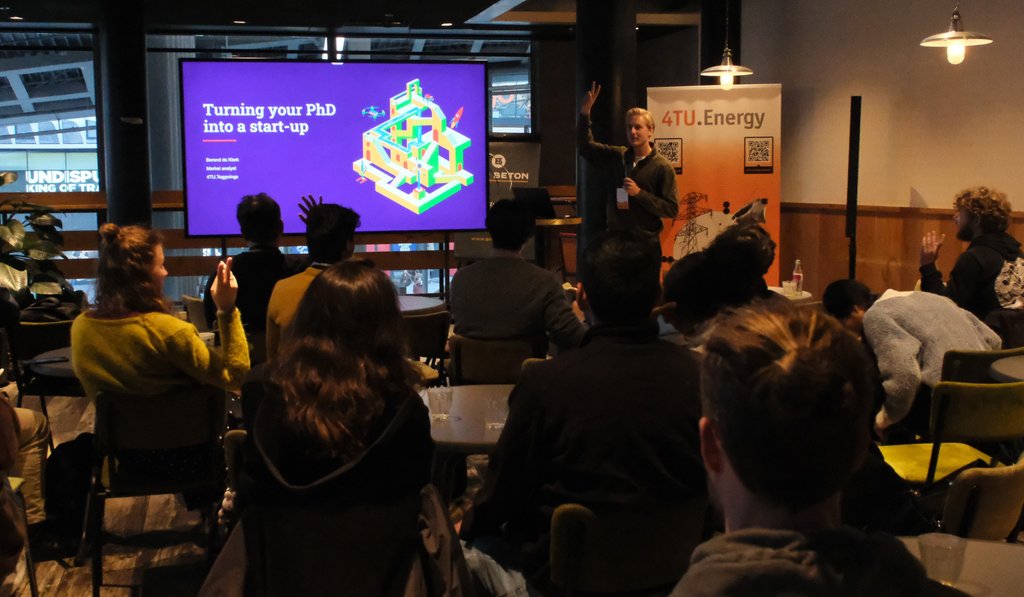
Berend de Klerk encourages participants to connect their research to real-world applications.
The discussions highlighted an important challenge for the energy transition: strong scientific research and technological innovation must be accompanied by effective collaboration, knowledge transfer and pathways towards commercialisation and deployment.
Connecting people and perspectives
Beyond the lectures, interaction and interdisciplinary exchange were central elements of the course. The one-minute research pitches gave participants a chance to communicate their work to colleagues from different disciplines, while the matchmaking session encouraged them to identify shared interests, challenge each other's perspectives and build new connections.
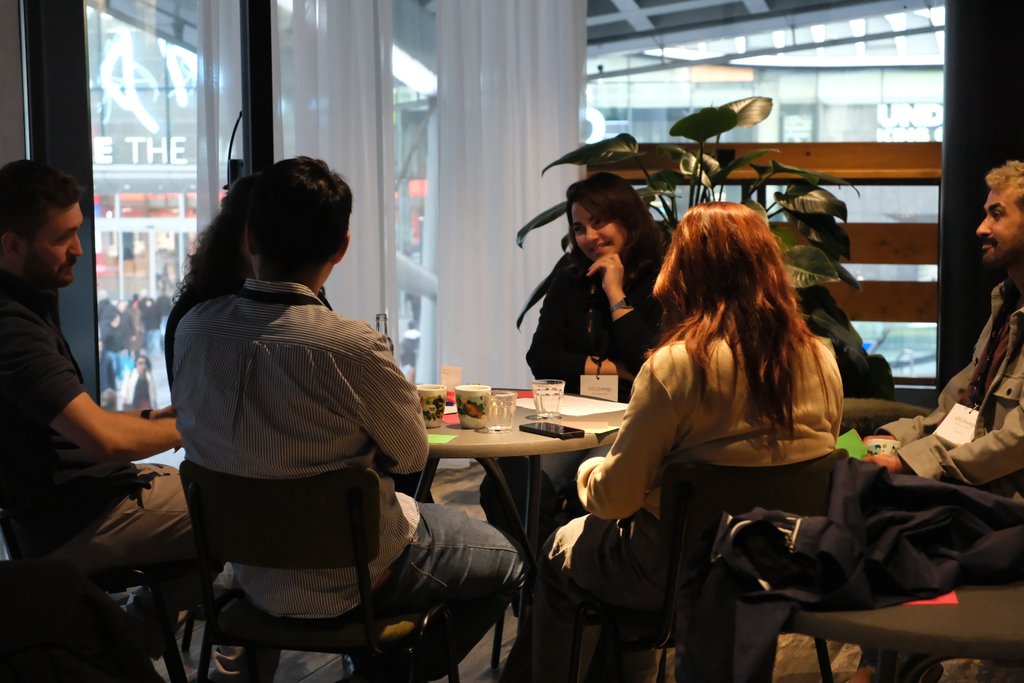
Participants grouped by research topics in the discussion.
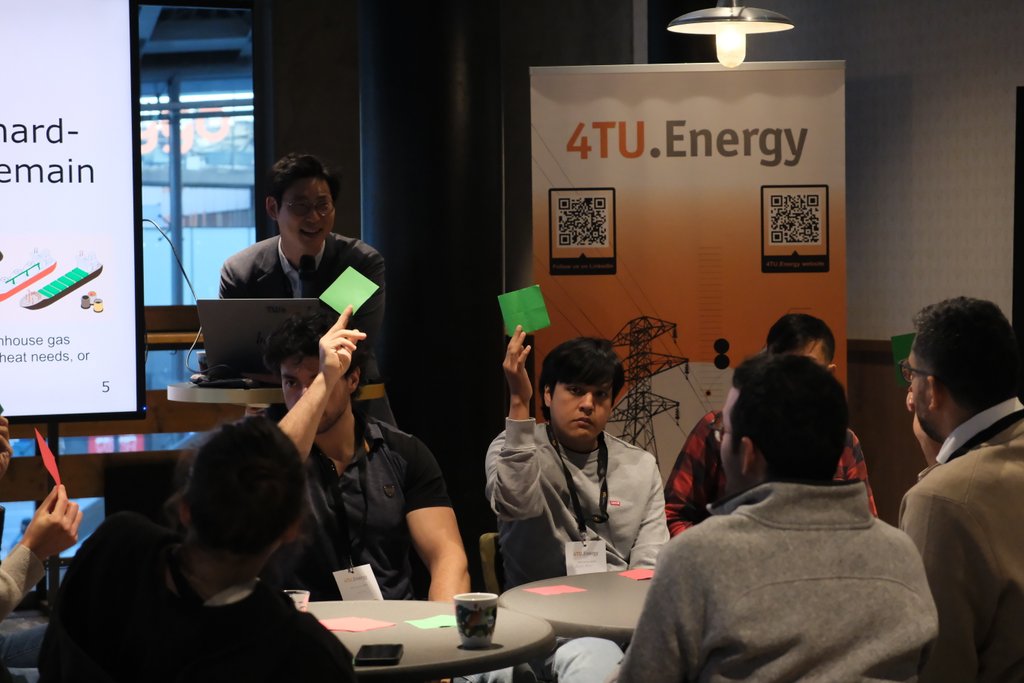
Challenge each other's perspectives through statement debate.
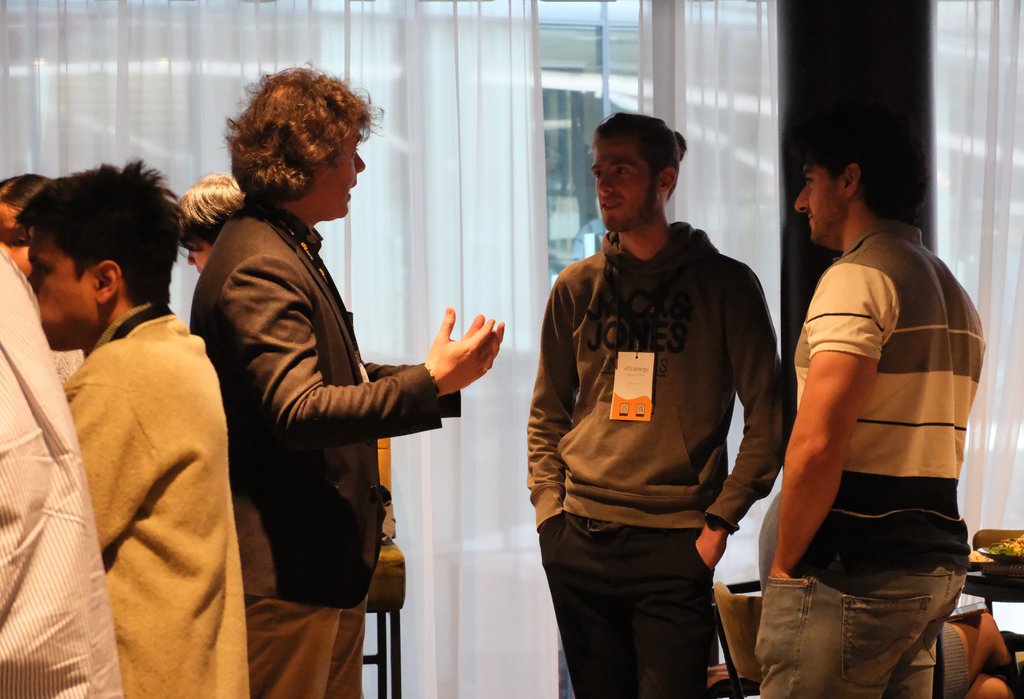
Interaction between participants and speakers.
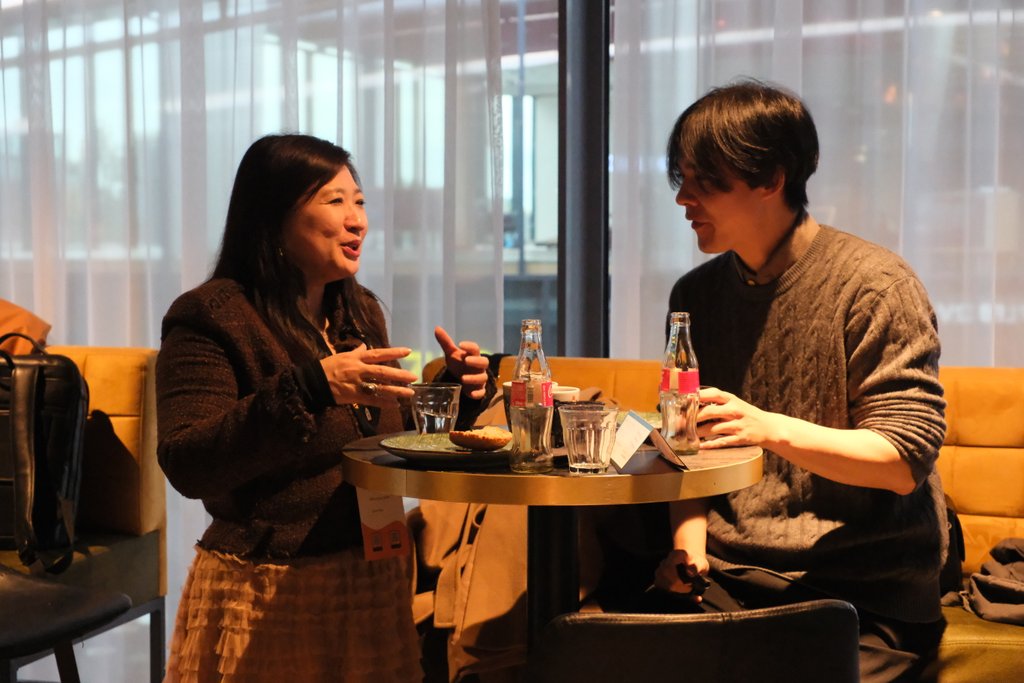
Exchange ideas during social moments.
The two-day programme concluded with the awarding of certificates and an informal networking gathering.
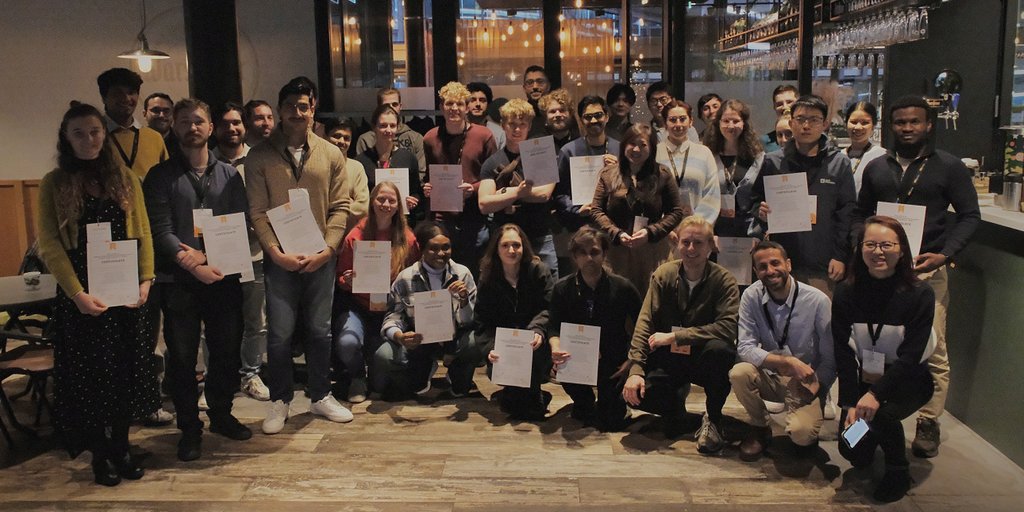
By bringing together expertise from academia, industry and applied research, the 4TU.Energy PhD Course 2026 once again, demonstrated the importance of approaching the energy transition as a connected system and encouraged PhD researchers to look beyond their own fields of expertise, understand the wider context of their research and identify opportunities for interdisciplinary collaboration.
The course was organized by 4TU.Energy, with the programme committee consisting of David Smeulders, Francesco Lombardi, Maja Rücker, Akbar Asadi Tashvigh, and Amir Mahmoudi, under the coordination by Sha Lou.