



On the morning of 21 May, the annual 4TU.Energy Community Day took place at Delft University of Technology, under the theme “Educating the Energy Transition: From Schools to Societal Impact.”
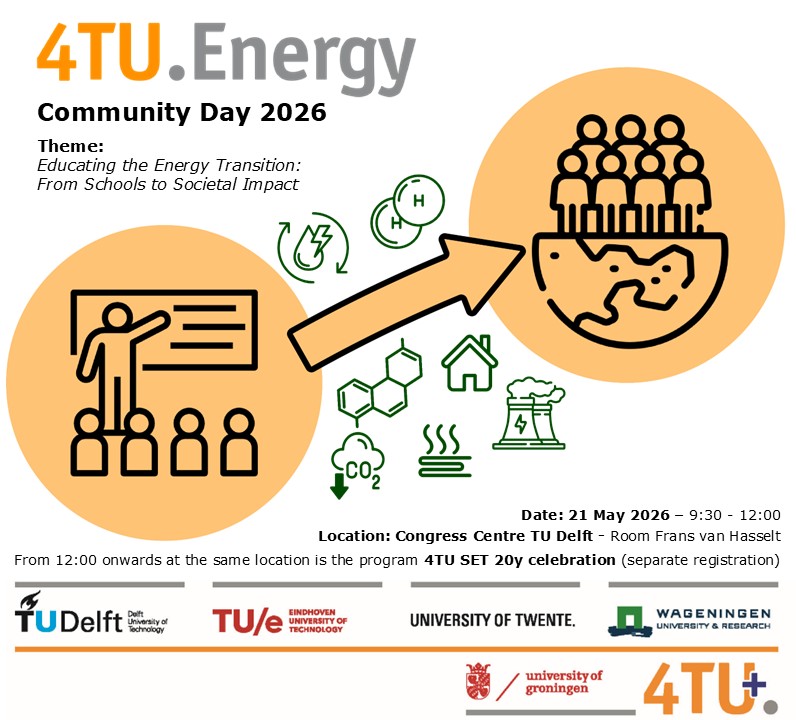
Chair Maaike Damen opened the programme, followed by a welcome from the Scientific Director of 4TU.Energy, Prof. dr. David Smeulders. Over the past four years, 4TU.Energy has been committed to accelerating the energy transition by connecting and strengthening research and education. This year’s Community Day focused on an important question for the community:
How the community can strengthen education and societal impact within the energy transition.
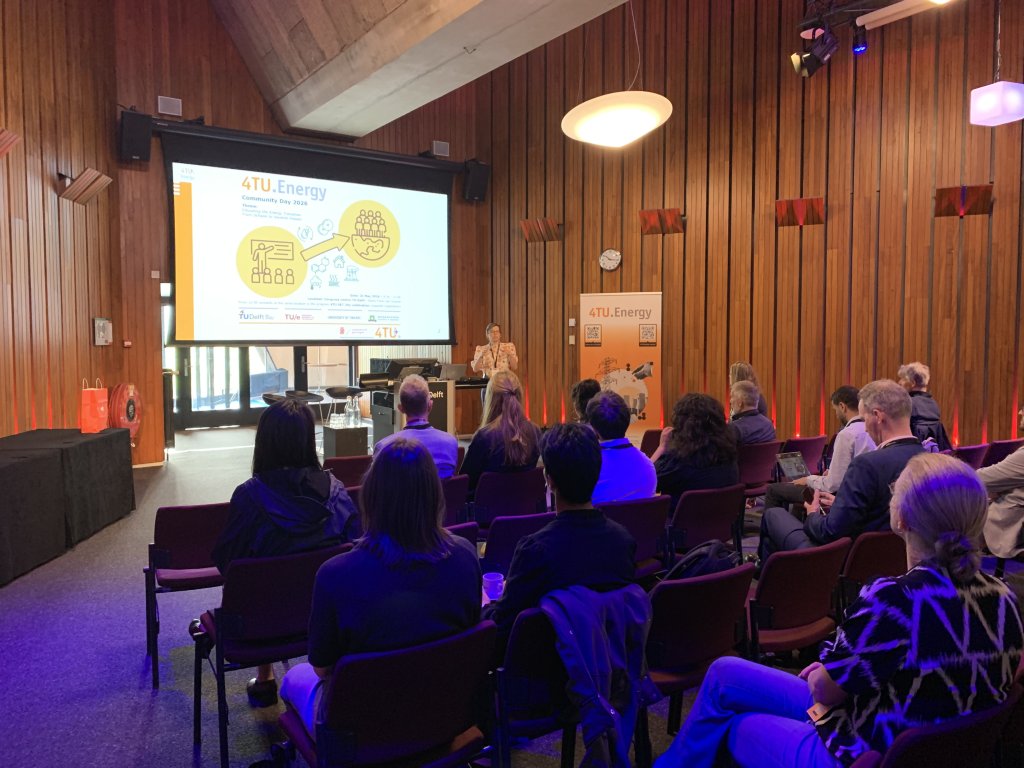
Maaike Damen opened the program
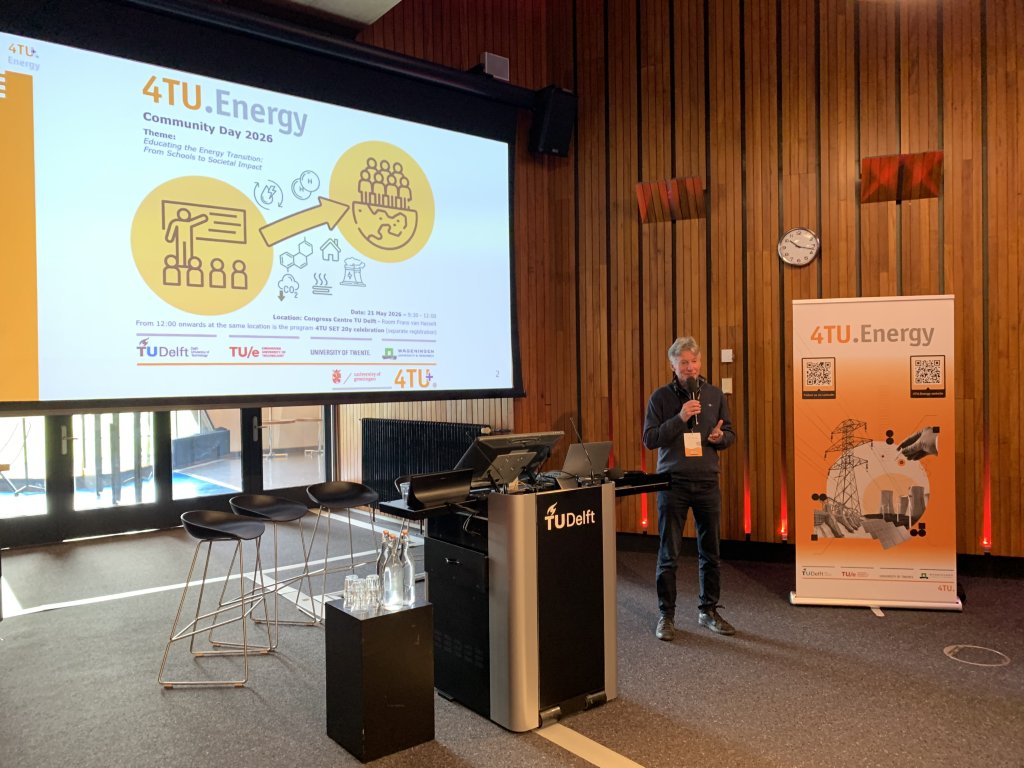
David Smeulders welcomed the participants
Pauline van der Vorm (TU Delft / 4TU.Impact) presented the concept of “Learning Communities for Educating the Energy Transition,” highlighting how collaboration between education, research, industry, and society can help address complex energy challenges. The session emphasized systems thinking, transdisciplinary collaboration, and real-world societal impact as essential elements for educating future energy professionals.
Demi van Kampen (Lesson Developer at 4TU.Schools) together with Renée Prins (coordinator 4TU.Schools) presented how 4TU.Schools connects universities, teachers, and students to inspire the next generation in technology and sustainability education. The presentation highlighted freely accessible teaching materials, co-creation with educators and students, and future collaborations with 4TU.Energy to strengthen energy transition education in secondary schools through outreach activities, workshops, and hands-on learning experiences.
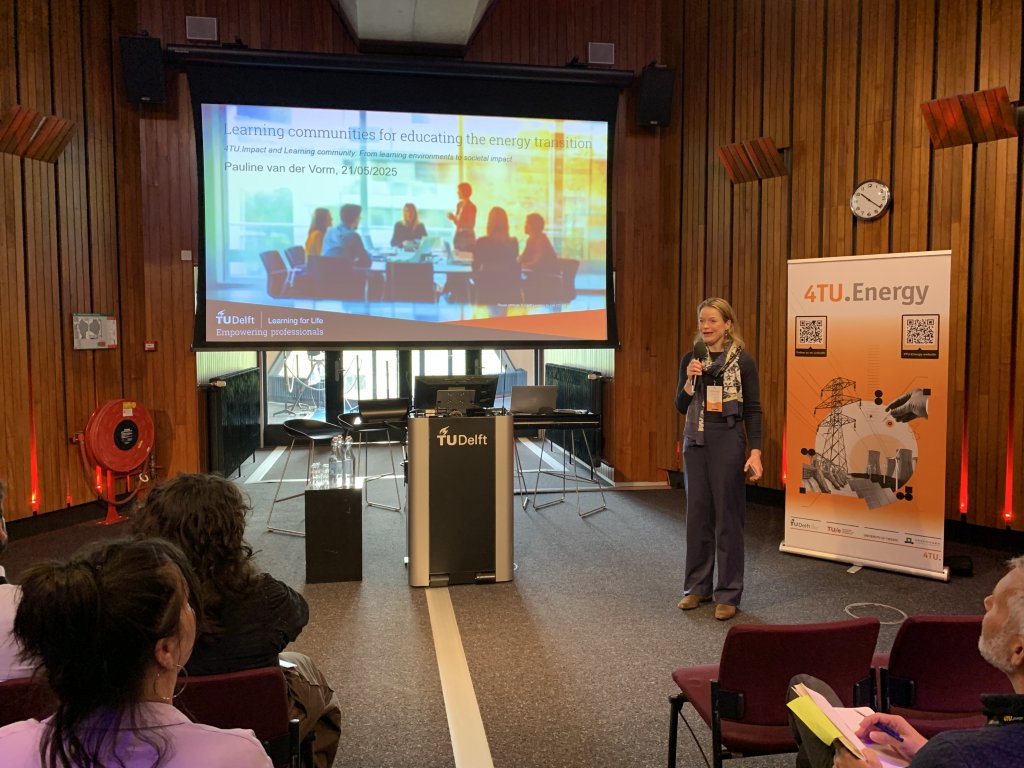
Presentation from Pauline van der Vorm
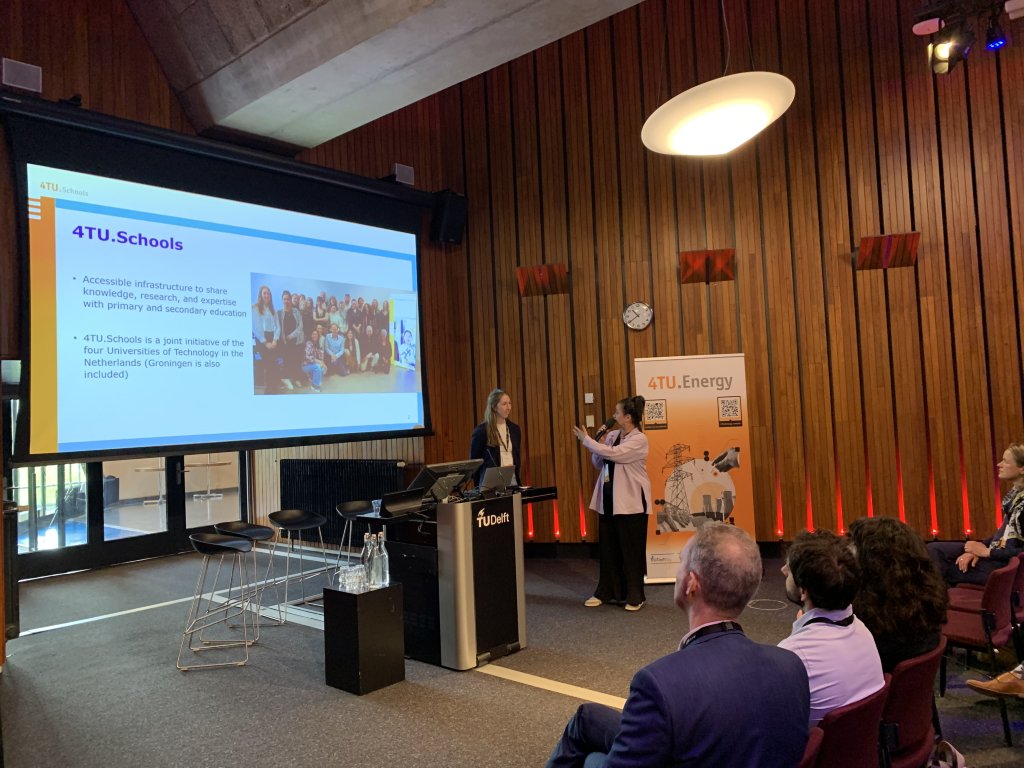
Presentation from Demi van Kampen & Renée Prins
During the break, PhD student Despoina Kassandra Georgiadi from the Electrical Sustainable Energy group at TU Delft demonstrated the “Illuminator,” an open-source educational and demonstration toolkit developed at TU Delft to illustrate the challenges and opportunities of the energy transition. The modular system simulates technologies such as solar panels, wind turbines, batteries, and hydrogen systems, helping students, researchers, and stakeholders better understand integrated energy systems in an interactive and hands-on way.
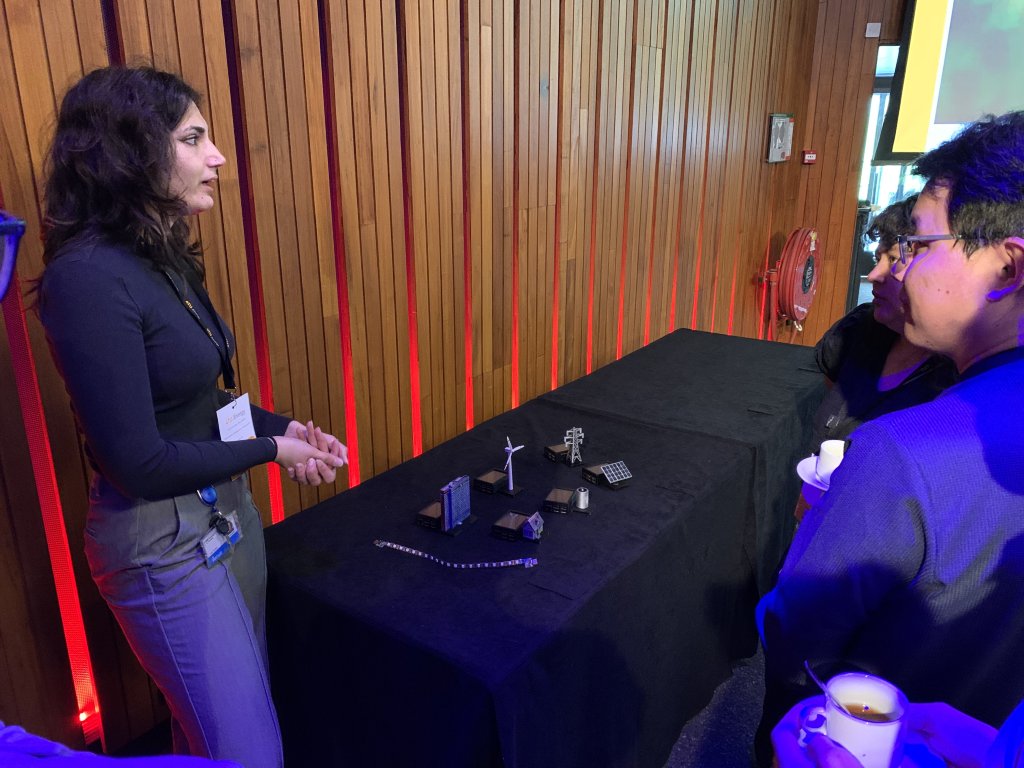
Demo by Despoina Kassandra Georgiadi
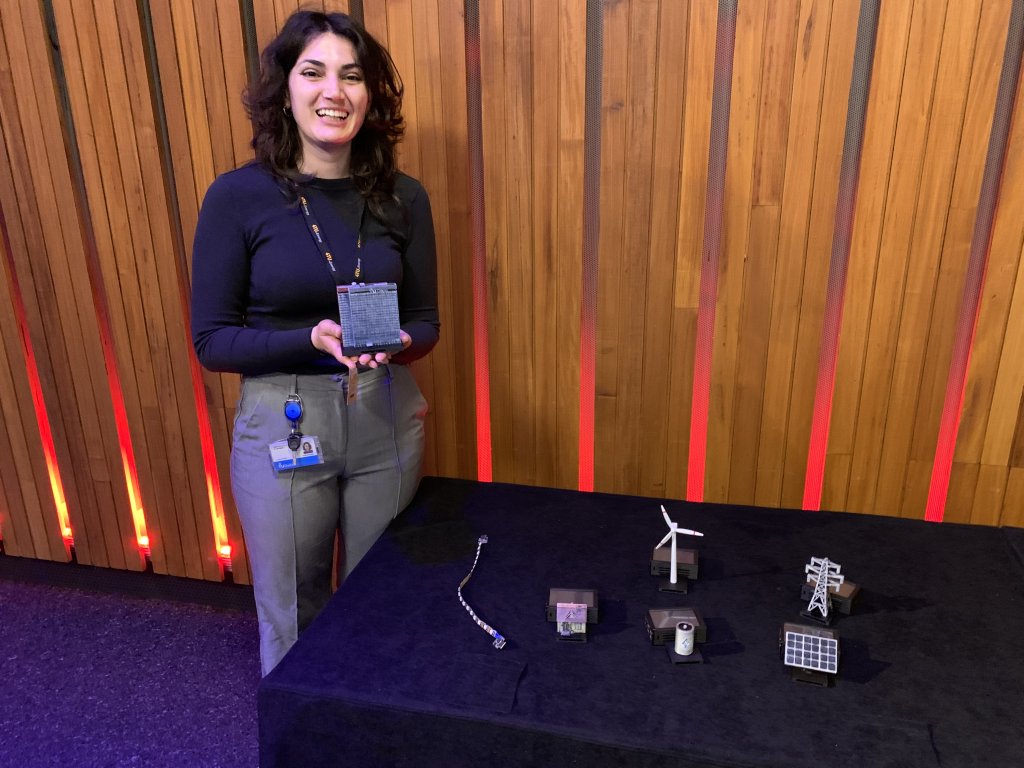
Despoina Kassandra Georgiadi with Illuminator
During the final session, a panel discussion moderated by Dr. Akbar Asadi Tashvigh raised the thought-provoking question: “Societal impact has become increasingly dominant in research and education proposals. Are we beginning to value it more than technological innovation itself?” Panelists Ramon Rooij (Chair of 4TU.CEE, TU Delft), Hanno van Keulen (Director of Studies MSc Science Education & Communication, TU Delft), René van Swaaij (Programme Director of MSc Sustainable Energy Technology, TU Delft), and David Smeulders (Professor of Energy Technology at TU/e and Scientific Director of 4TU.Energy) shared their perspectives on this topic.
The session was highly interactive, with audience members actively contributing their perspectives and effectively becoming part of the conversation. The social and societal dimensions of research was widely recognized as important and relevant, although the extent to which it should be integrated into engineering education remained a point of debate.
Some argued that broadening education in all aspects could come at the cost of technical depth and may reduce the level of expertise developed by students. Others emphasized that engineering today is inherently multidisciplinary, and therefore social and societal dimensions can no longer be separated from engineering education.
Another important point raised during the discussion was the declining interest among Dutch students in pursuing PhD studies in engineering-related fields. The panel also discussed Europe’s position in a world where energy dominance is increasingly becoming a geopolitical factor, and whether Europe should accelerate its efforts to remain competitive and independent in this landscape.
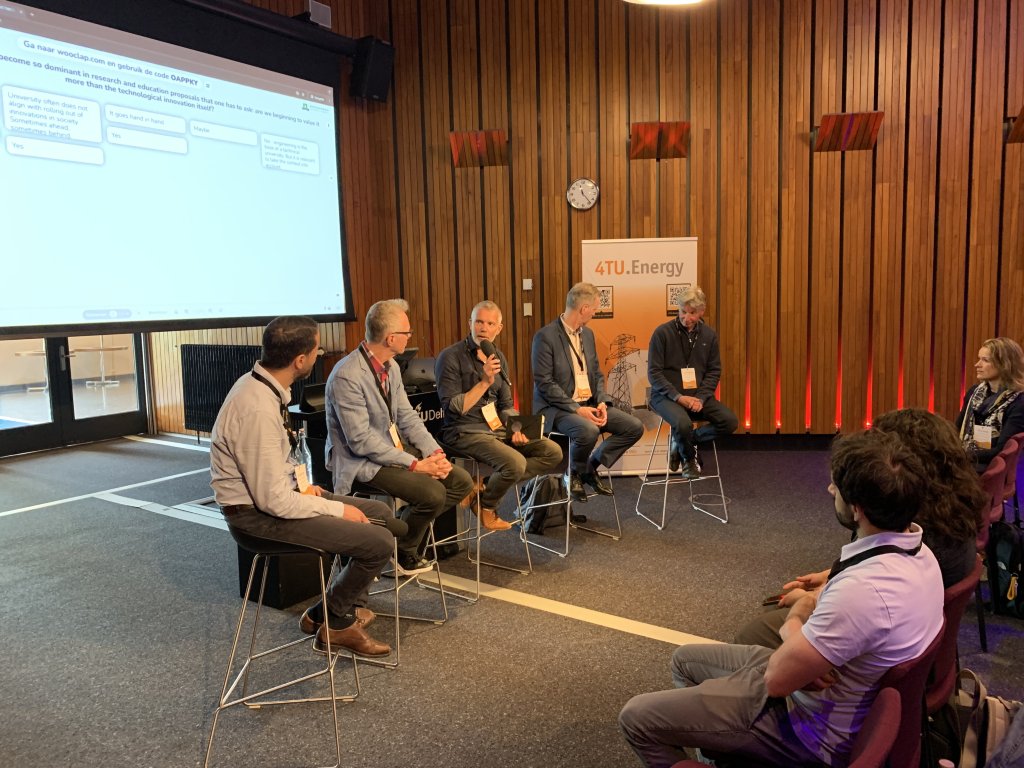
Panelists shared their perspectives
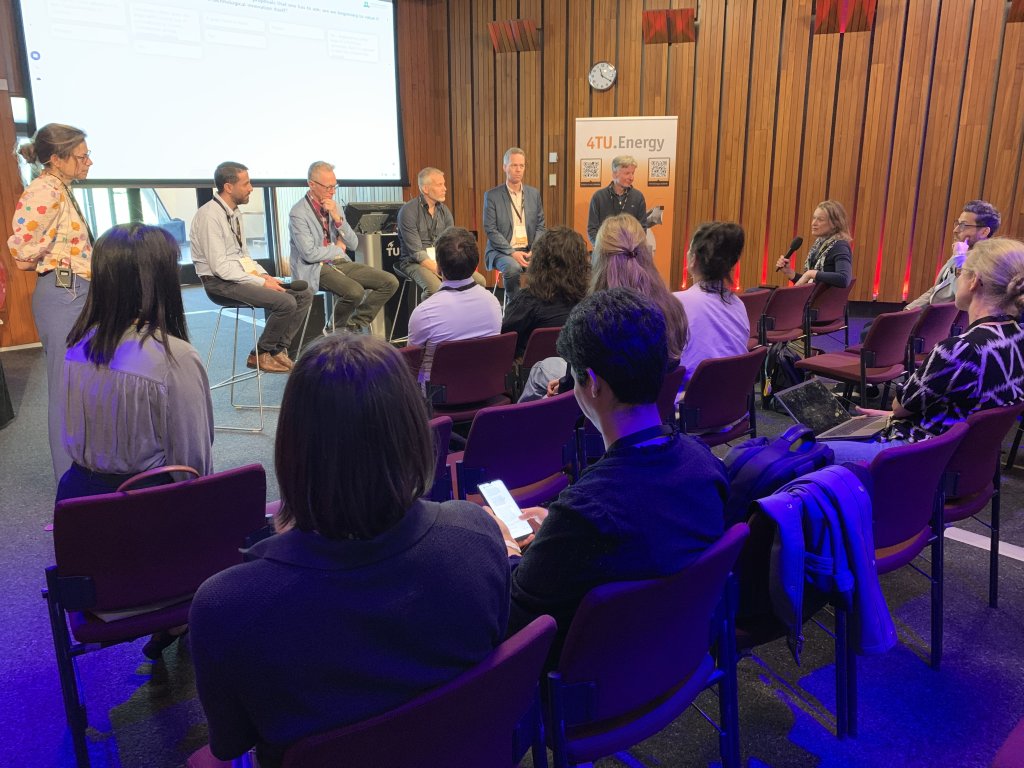
Interactive discussion with participants
The programme closed at lunchtime, after which many participants continued to the 20th Anniversary event of the 4TU MSc programme Sustainable Energy Technology (SET) in the afternoon.
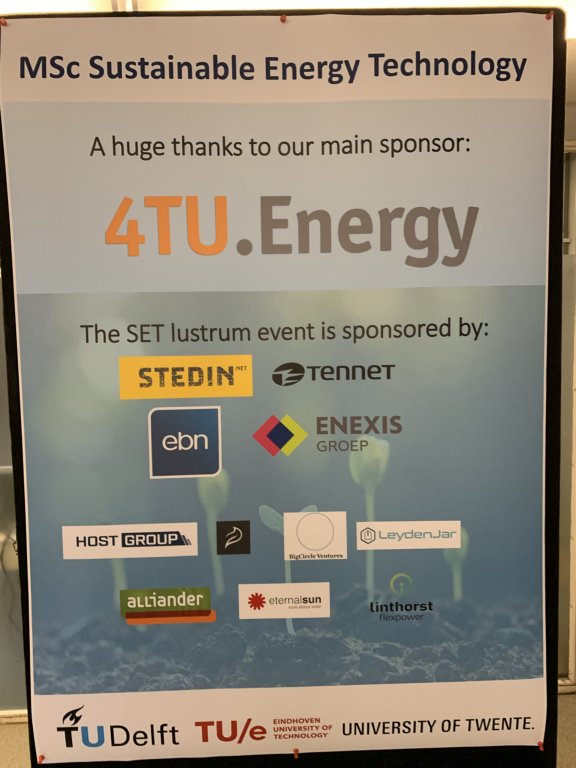
4TU.Energy as the major sponsor of SET
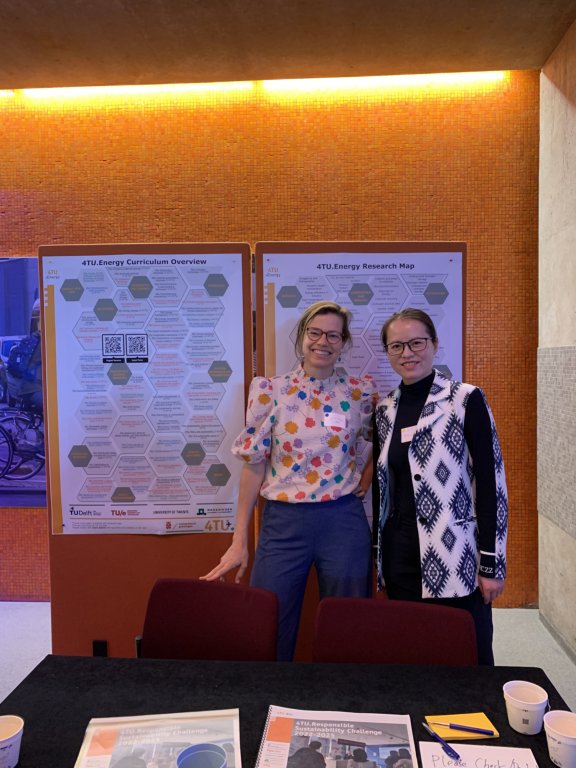
Maaike Damen & Sha Lou presented 4TU.Energy at SET