

Geert Talsma, Alberto Martinetti, Peter Chemweno, Justine Decrozant-Triquenaux, Jeremy Mantingh, Suleman Joseph Audu, Afua Opare-Baidu
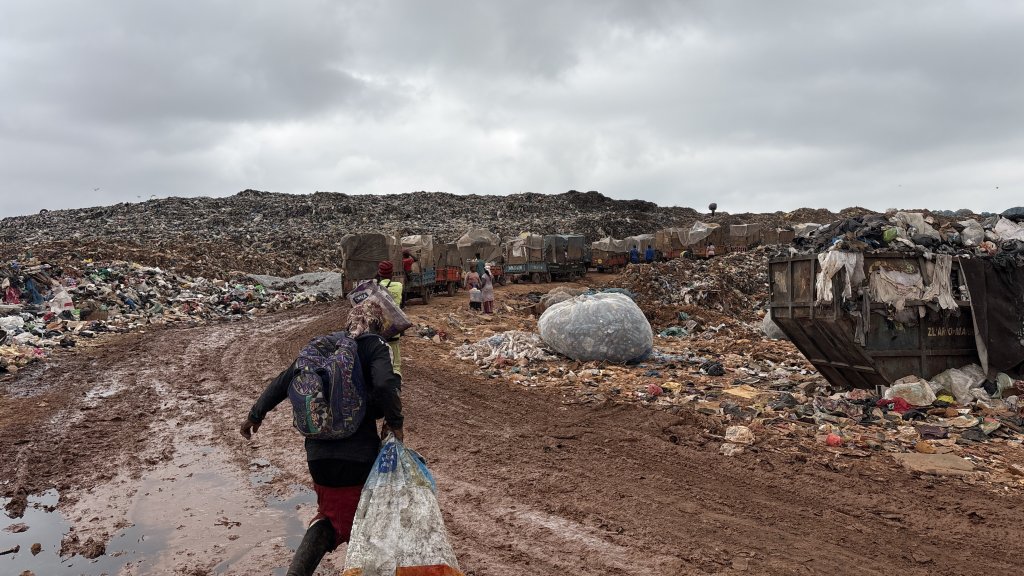
In Ghana, plastic waste has become part of the landscape, contaminating soils, blocking waterways, increasing flood and health risks, and revealing wider inequalities in global material flows and local waste infrastructure. Yearly, 1.1 million tons of plastic waste are generated, yet only a small fraction is recycled. At the same time, many schools in Ghana lack safe, dignified, sanitation facilities, or don’t have washrooms at all. The lack of or Inadequate toilets and menstrual hygiene support disproportionately affect girls by undermining their health and safety, impacting their ability to attend school. It is clear that a solution is needed to tackle these massive environmental and societal challenges.
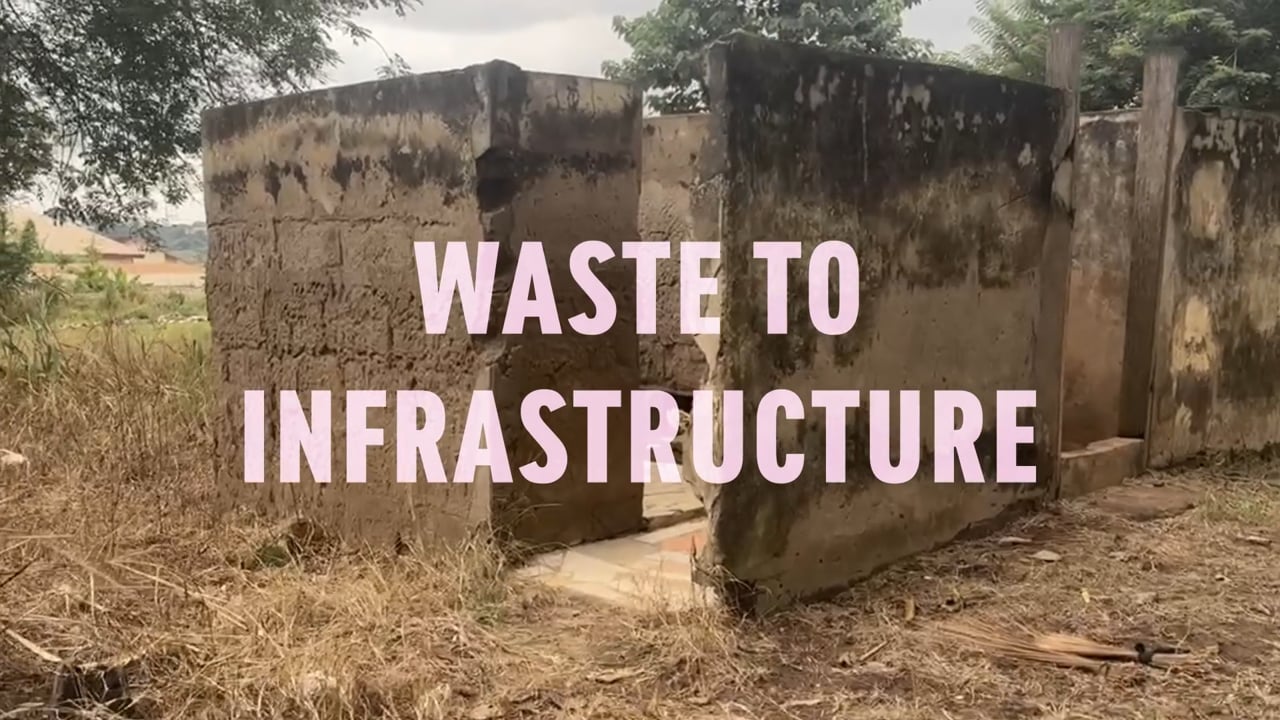
Can plastic waste provide the dignity you take for granted?
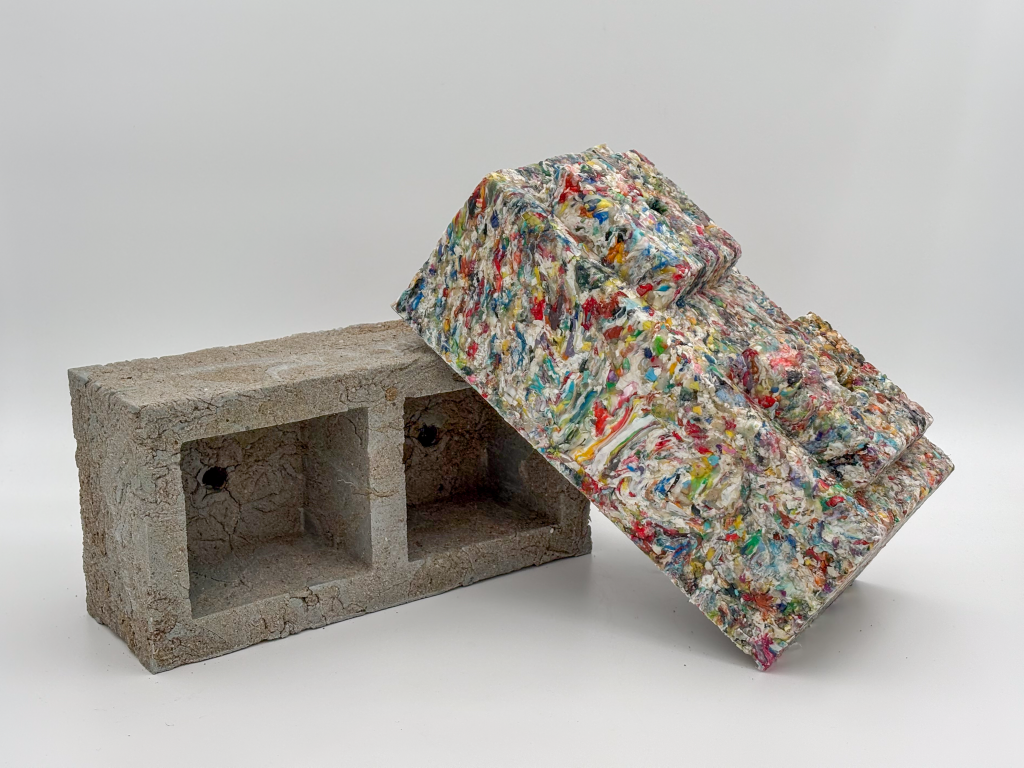
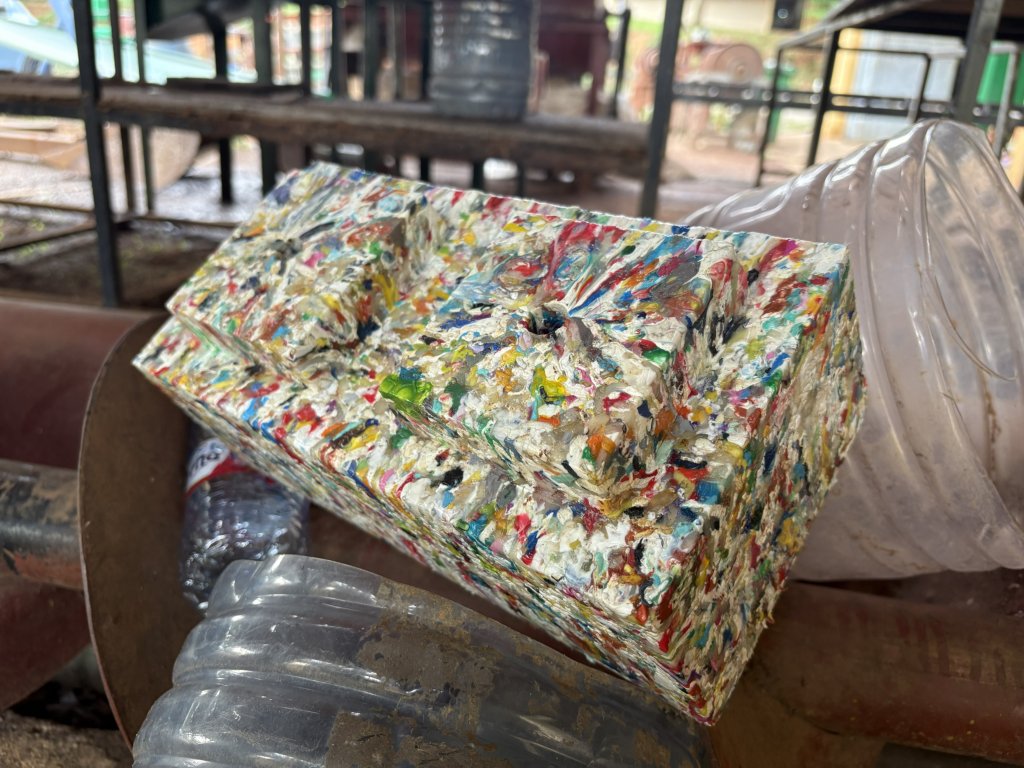
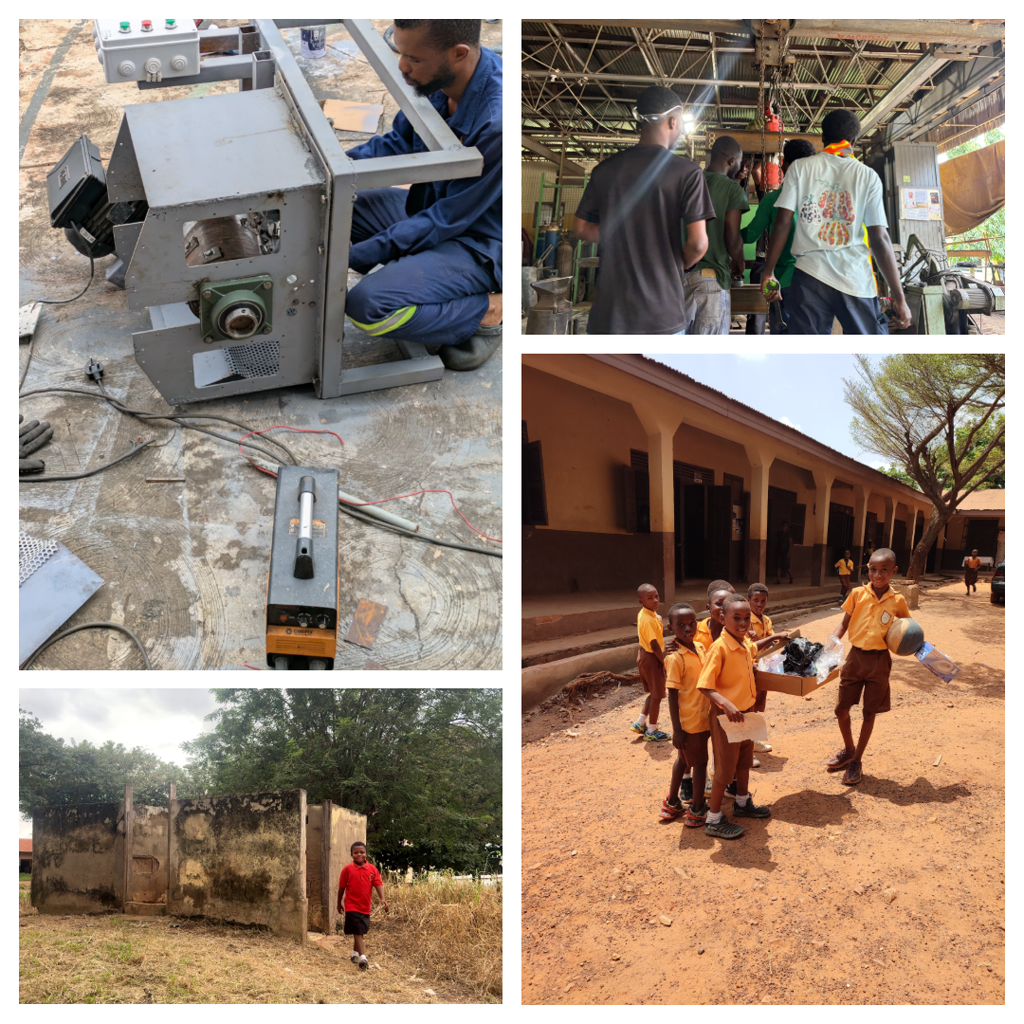
Waste to Infrastructure responds to these interconnected challenges by transforming plastic waste into value: recycled plastic bricks. These low-cost interlocking bricks are produced in a shipping container factory using low-tech machinery. Cleaned plastic waste is shredded into flakes, then added to an extruder with sand to melt and mix the plastic. The molten mixture is moulded into the bricks, ready to build the schools’ washroom walls.
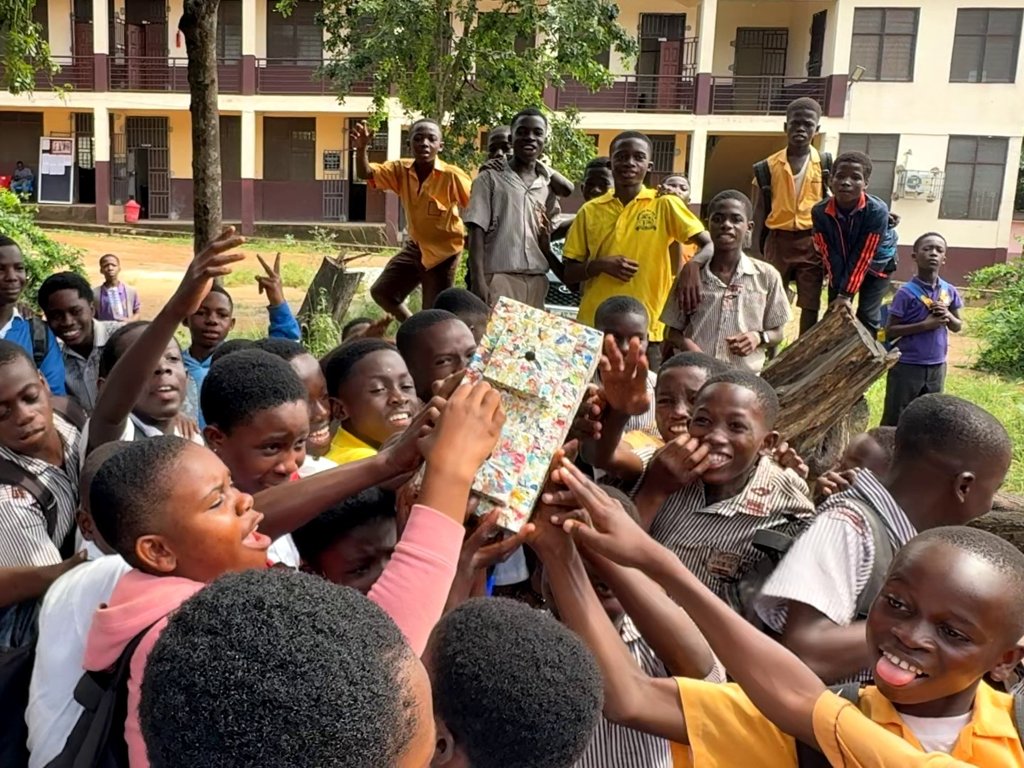
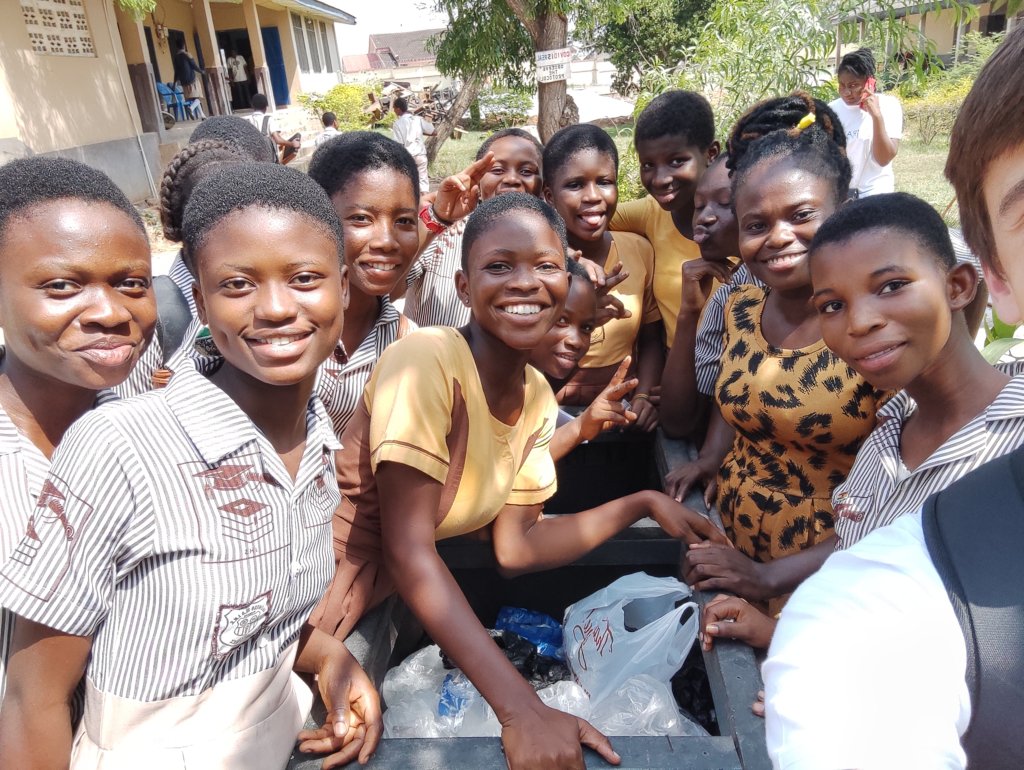
Together with Engineers Without Borders NL and TrashSmart Ghana, we worked with local communities, schools, and experts to ensure it fits the local context. Co-design sessions with schools helped clarify needs, while local builders assisted in designing the washroom. Artisans and engineers supported the development of the machinery around local capabilities so the system can be built and maintained locally. Ultimately, the brick design is informed by material research into the plastic-sand mix, construction requirements, local needs, and production limitations.
By turning plastic waste into vital sanitation infrastructure, Waste to Infrastructure simultaneously tackles environmental pollution and the lack of school washrooms. It demonstrates how local, circular design empowers communities, keeps girls in school, and creates a sustainable infrastructure from local waste, offering a scalable model for tackling plastic waste and sanitation inequality.
The project addresses several Sustainable Development Goals, including SDG 3 (Good Health and Wellbeing), SDG 4 (Quality Education), SDG 6 (Clean Water and Sanitation), and SDG 12 (Responsible Consumption and Production). However, technical challenges like microplastics from UV degradation, fire resistance, long-term performance, and end-of-life recyclability remain. Moreover, the project also has to support a long-lasting behavioural change toward plastic use and waste.