



Bekalu Sintayehu Ayele, Daniel Reyes Lasteri, Arni Janssen
In the Amhara region of Ethiopia, continuous conventional farming practices have acidified the soil, and yields are falling as a result. Agricultural lime is the standard fix, but it must be imported, and its cost puts it out of reach for most smallholder households farming a hectare or less. At the same time, these same farms generate large amounts of crop residue and woody waste. Converting it to treat the soil requires technology that simply isn't available at smallholder level in Ethiopia. Although current small-scale kilns are found elsewhere in the world, they fall short of needs with high methane emissions and inconsistent quality biochar.
Could fixing the soil be how we fix hunger?
We set out to design a horizontal, fixed-bed retort kiln that converts a portion of a farm's crop residue and woody biomass into biochar using biogas instead of wood as its heat source. A biogas burner heats the sealed retort chamber from outside, pyrolysing the biomass without burning the feedstock directly. The syngas released during pyrolysis is recirculated back into the burner, cutting methane and smoke emissions released by conventional small-scale kilns. The design was built around smallholder realities: residue is a resource claimed by fuel and feed needs, so the kiln is sized to convert only a manageable share without displacing those uses, while running on biogas many households already produce from livestock manure. The result is a low-cost, low-emission kiln that turns a fraction of existing residue into a soil amendment farmers can produce and apply themselves, without competing with how that residue is already used.
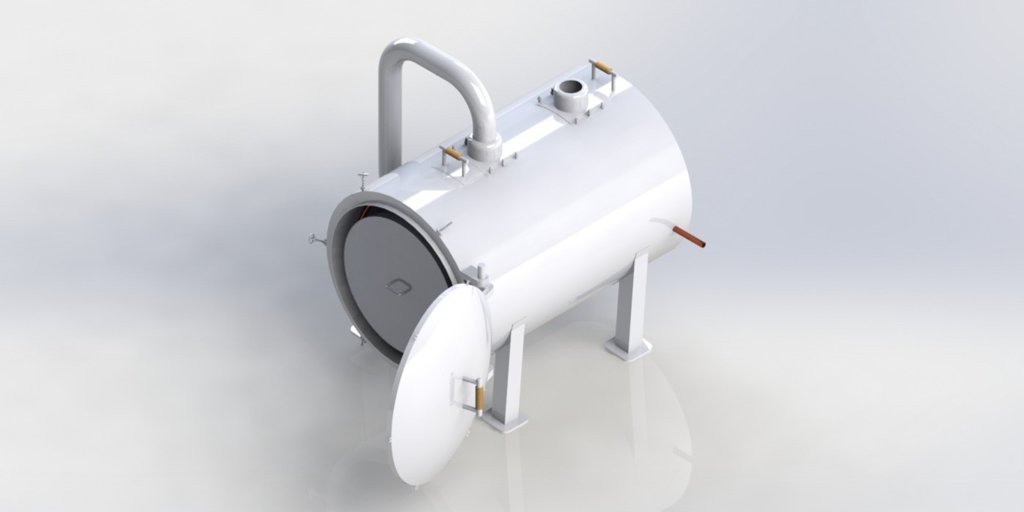
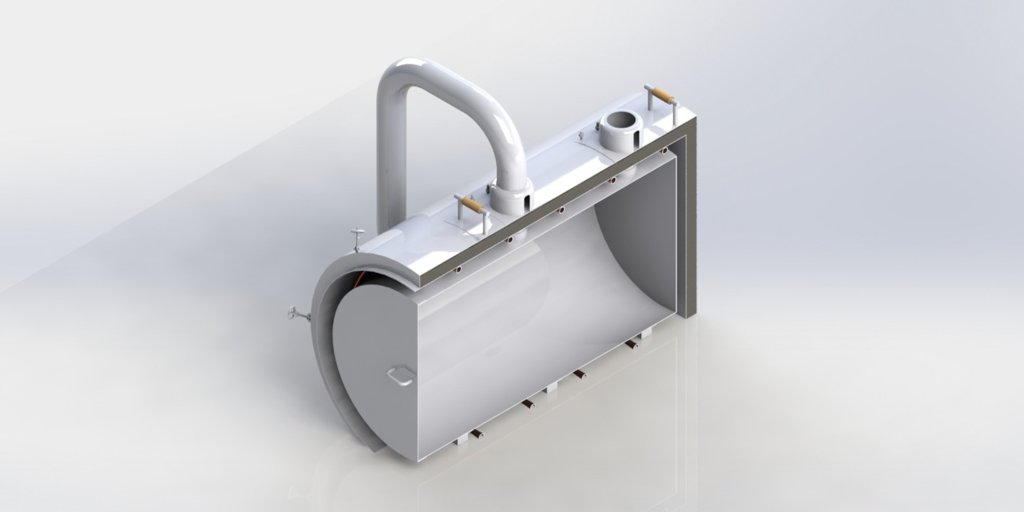
In contrast with the use of lime, which must be repurchased and reapplied each cycle, biochar produced in our kiln corrects soil acidity while also improving water retention, nutrient availability, and organic carbon — benefits that build up over successive seasons. Because the kiln controls the pyrolysis parameters (temperature, heating rate, and residence time) and recirculates the syngas generated during pyrolysis, it avoids the high methane emissions and inconsistent biochar quality typical of existing small-scale kilns. It works alongside the farm's existing fuel and feed economy rather than against it, using only the residue share the household can spare. The main limitation is scale; the design currently suits individual farms and depends on farmers having access to a working biogas digester.