Ningbo Hu
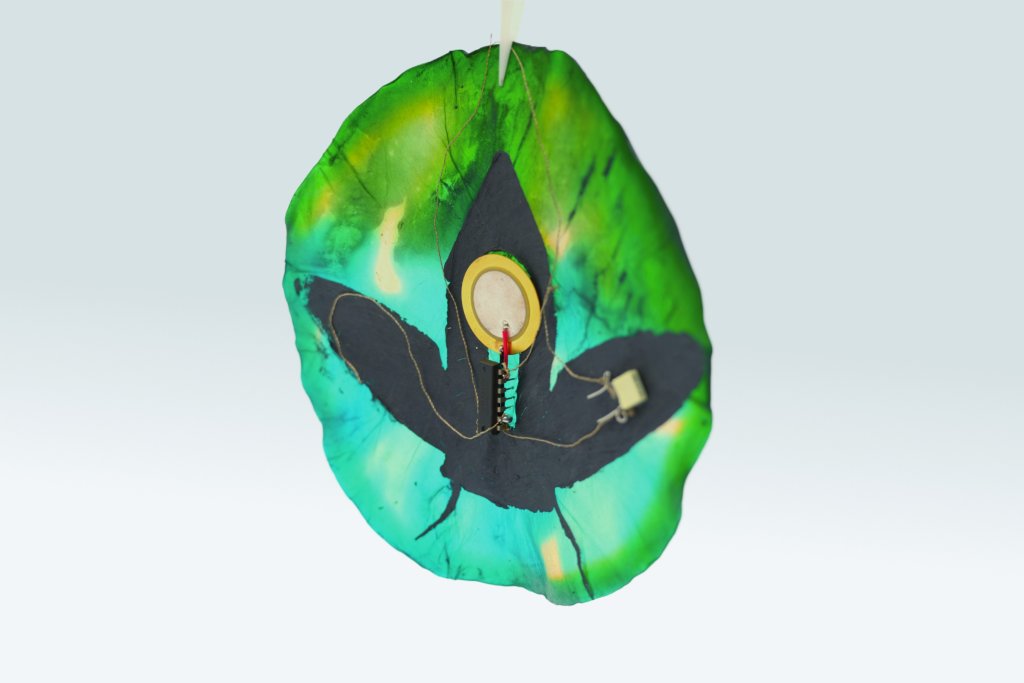
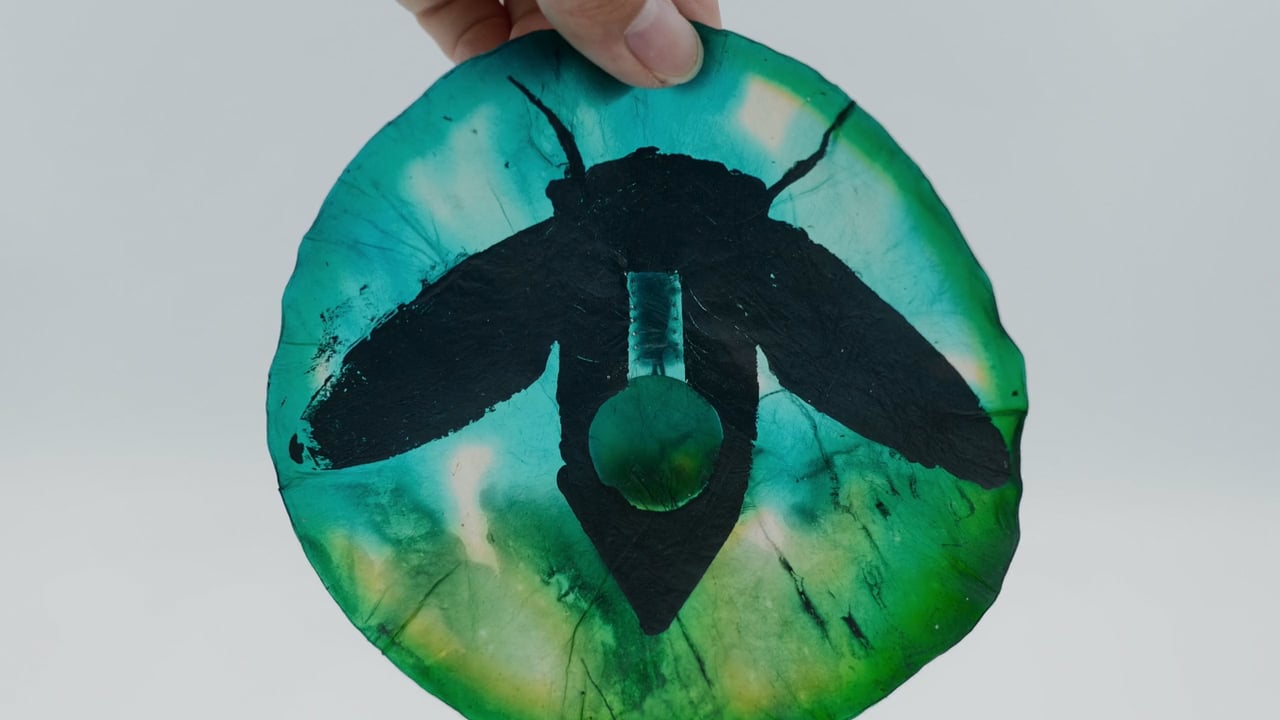
Mass production and rapid replacement of electronic devices are making e-waste a growing global problem. Many products combine metals, plastics, and adhesives in complex structures, making them difficult to disassemble and recycle. Biomaterials offer another possibility, but replacing plastic with a natural material does not make an entire electronic product biodegradable. Kombuchán asks: what if electronic products were designed around growth, change, and decay from the beginning? Its body is made from a colourful, leather-like sheet produced during kombucha fermentation. Instead of hiding the marks of growth and aging, the project makes these material changes visible and turns them into part of the object’s expression and function.
Could tea-grown materials help us with future electronics?
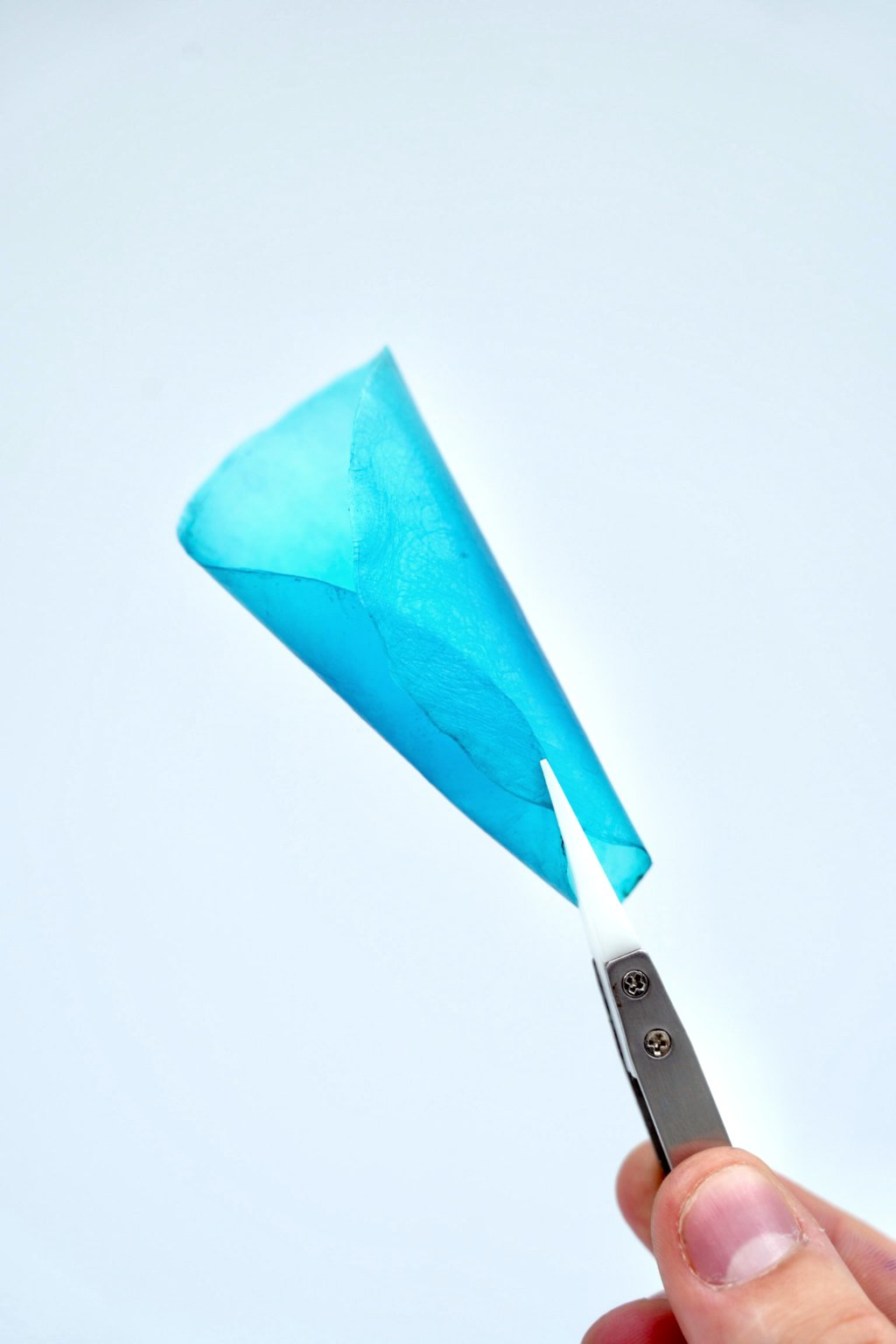
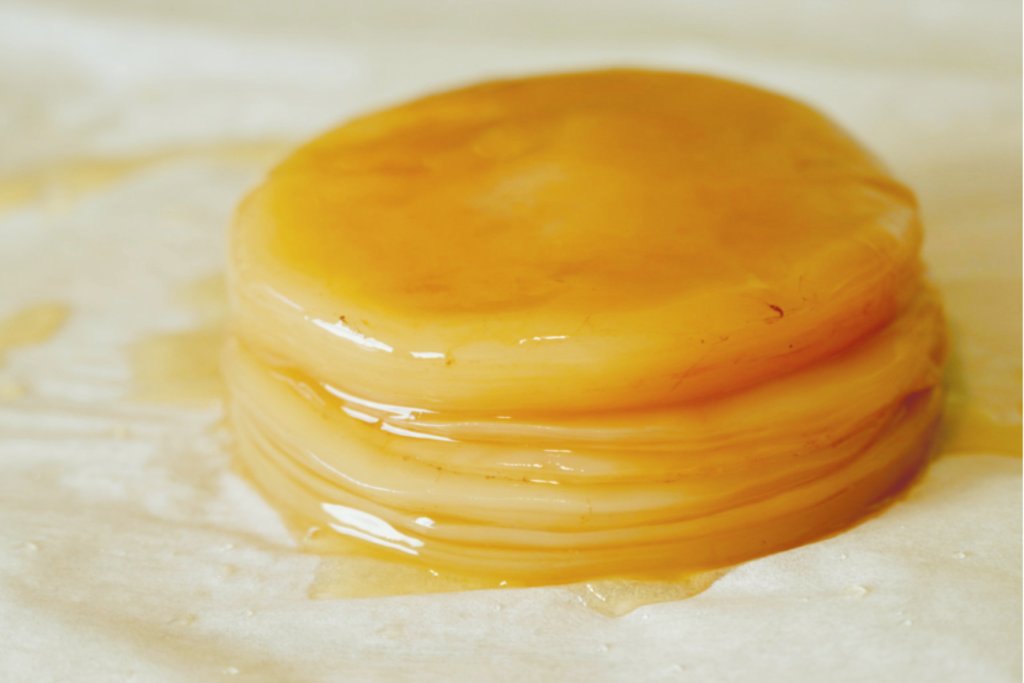
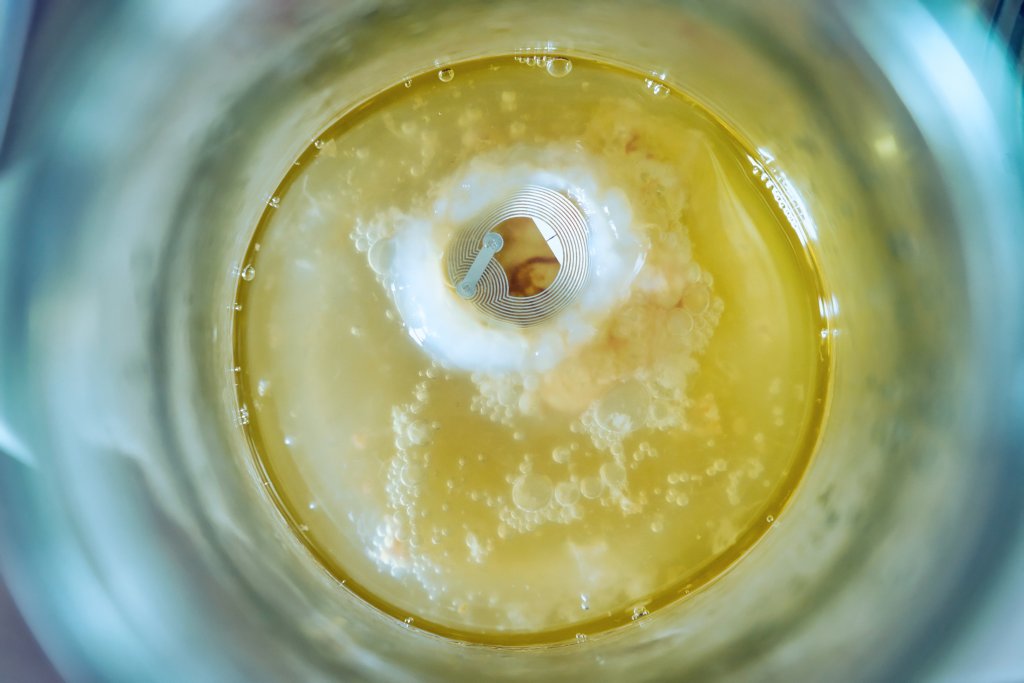
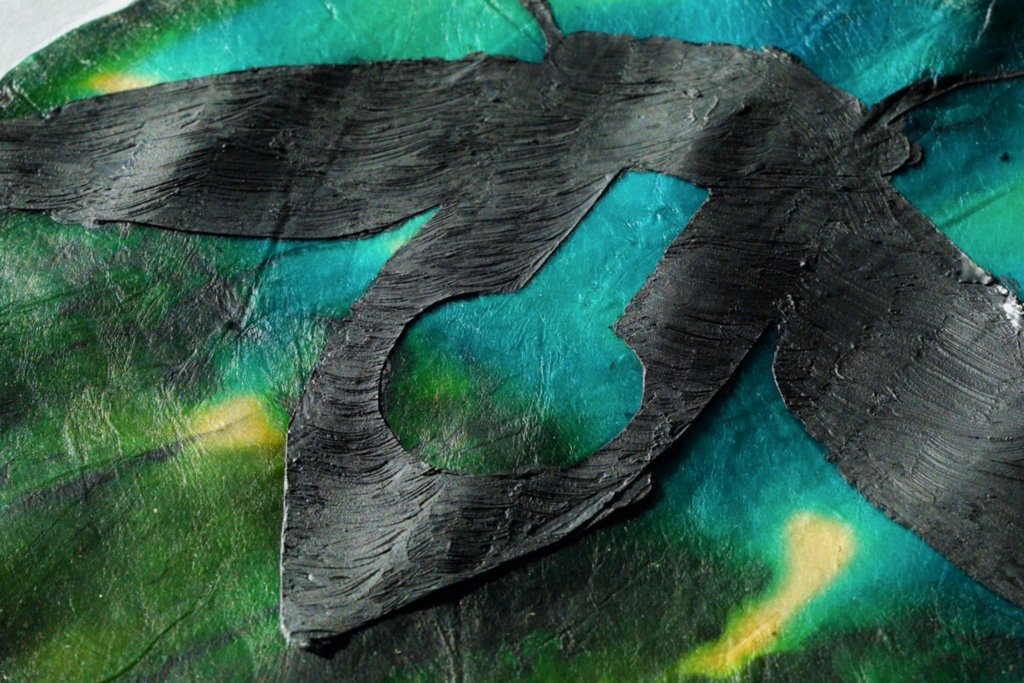
Over four months, more than twenty kombucha cultures were grown in a home kitchen. Sugar, temperature, and time shaped the colour, thickness, and texture of the material. Fruit pigments inspired colour experiments, while the moist, sticky films were layered and wrapped around electronic components. The final object takes the shape of a cicada. Its conductive paths are painted by hand with graphite ink, using the same carbon found in pencils, rather than mechanically printed with industrial precision. As the material dries and loses moisture, its ability to conduct electricity changes. A simple circuit turns this change into shifts in sound. The cicada spends a long time developing but produces sound for only a short period of its life. This becomes a metaphor for the kombucha material: after a long period of cultivation, its changing material state can be heard through the object’s buzz.
By making growth, aging, and separation visible, Kombuchán invites people to consider a product’s full life, including what happens after use. The project does not propose a design rule for all electronics, nor does it suggest that every device should have a shorter lifespan. The complete object is not biodegradable. However, its electronic components can be removed, reused, or recycled, while the biological body can be handled separately. The material was grown and tested at home, so further controlled testing is still needed. The project’s value lies in proposing a different future: can electronic design learn from natural materials by considering not only how products begin and work, but also how they change over time and eventually end?
#Kombucha #BioDesign #Bioelectronics #SCOBY