



Eva Sherlock
Women face up to an eight times higher risk of tearing their anterior cruciate ligament when playing football as their boots have been designed for men’s anatomy and biomechanics. Due to size differences, regular football boots can result in too much traction and a mis-match in fit, causing additional injury risks. For women who play Gaelic football (GAA), the problem is two-fold as the boots they use are neither suited for the sport nor for their anatomy. Gaelic football requires the agility of football, with the strength and stability of rugby, with the ideal boot falling somewhere in between the two.
Can AI usage make a design more human-centred?
Following interviews with female GAA players and experts, a literature review, and reflecting on my own experience, we designed personalized Gaelic football boots based on women’s anatomy. Our project followed a free-flowing structure where insights from one exploration guided the next. It focused on a first-person perspective and centred on the lived experiences of women. The 3D-printed sole plate and stud pattern was the result of collaborating with AI to generate an algorithm and g-code output from the user’s data. Given the project’s limited time frame, using AI for the technical realisation allowed for more focus on the women’s experiences. The final solution, BróGAA, is an algorithm which outputs custom g-code for a sole plate and stud pattern based on an individual GAA player's anatomy. It includes short, conical studs based on a player’s height and weight, as well as a specific stud pattern and sole shape based on a player’s individual foot scan.
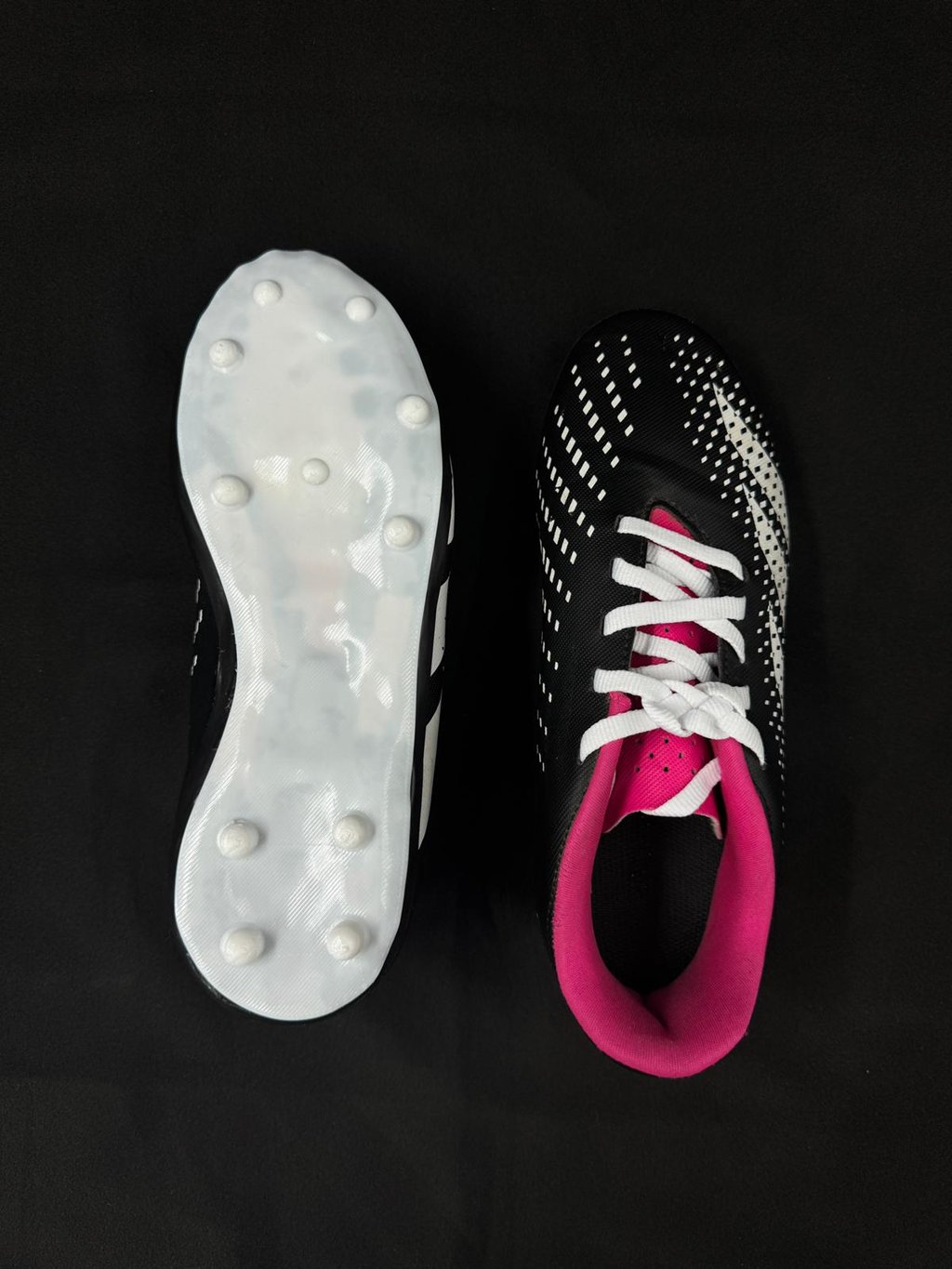
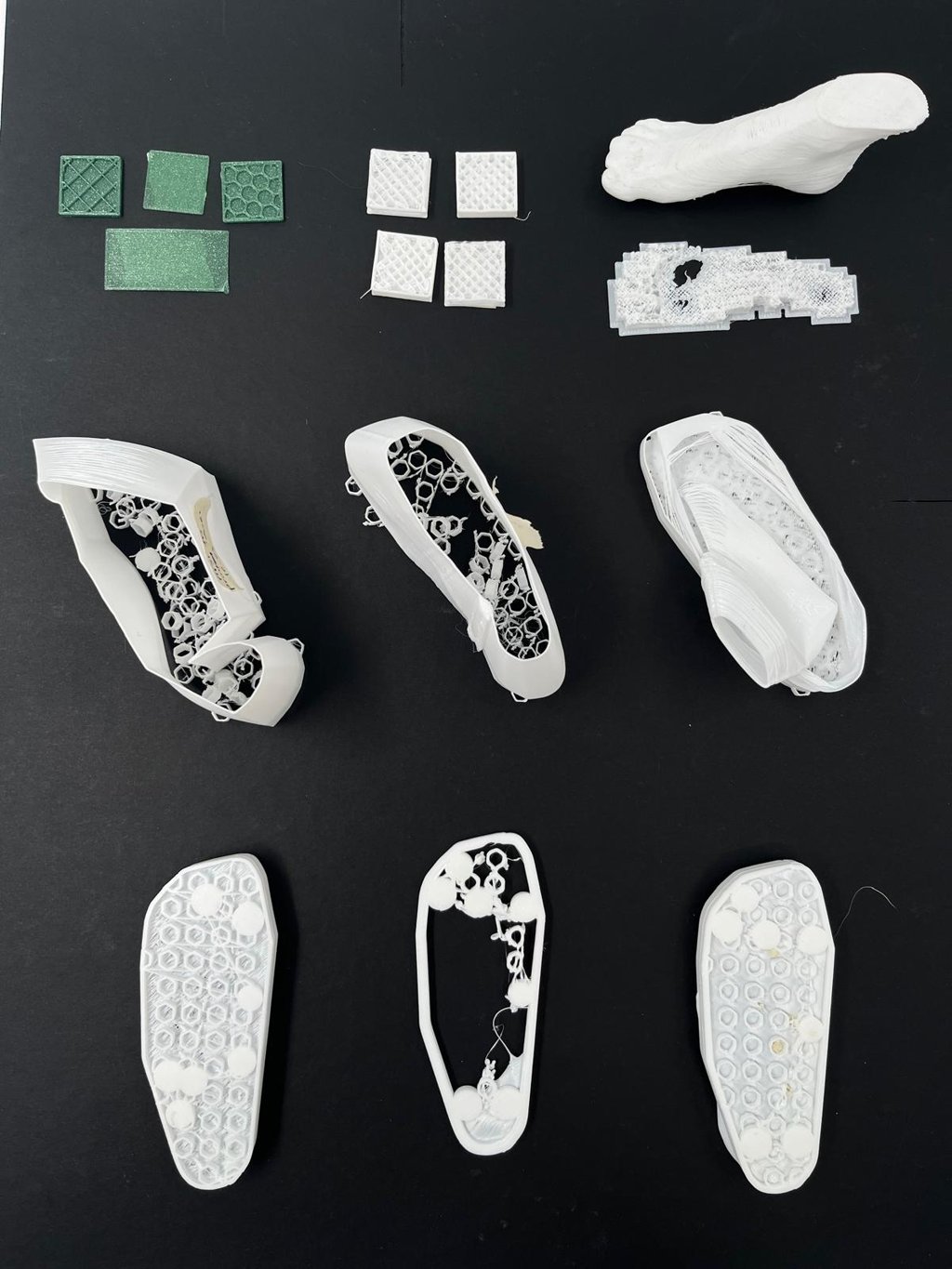
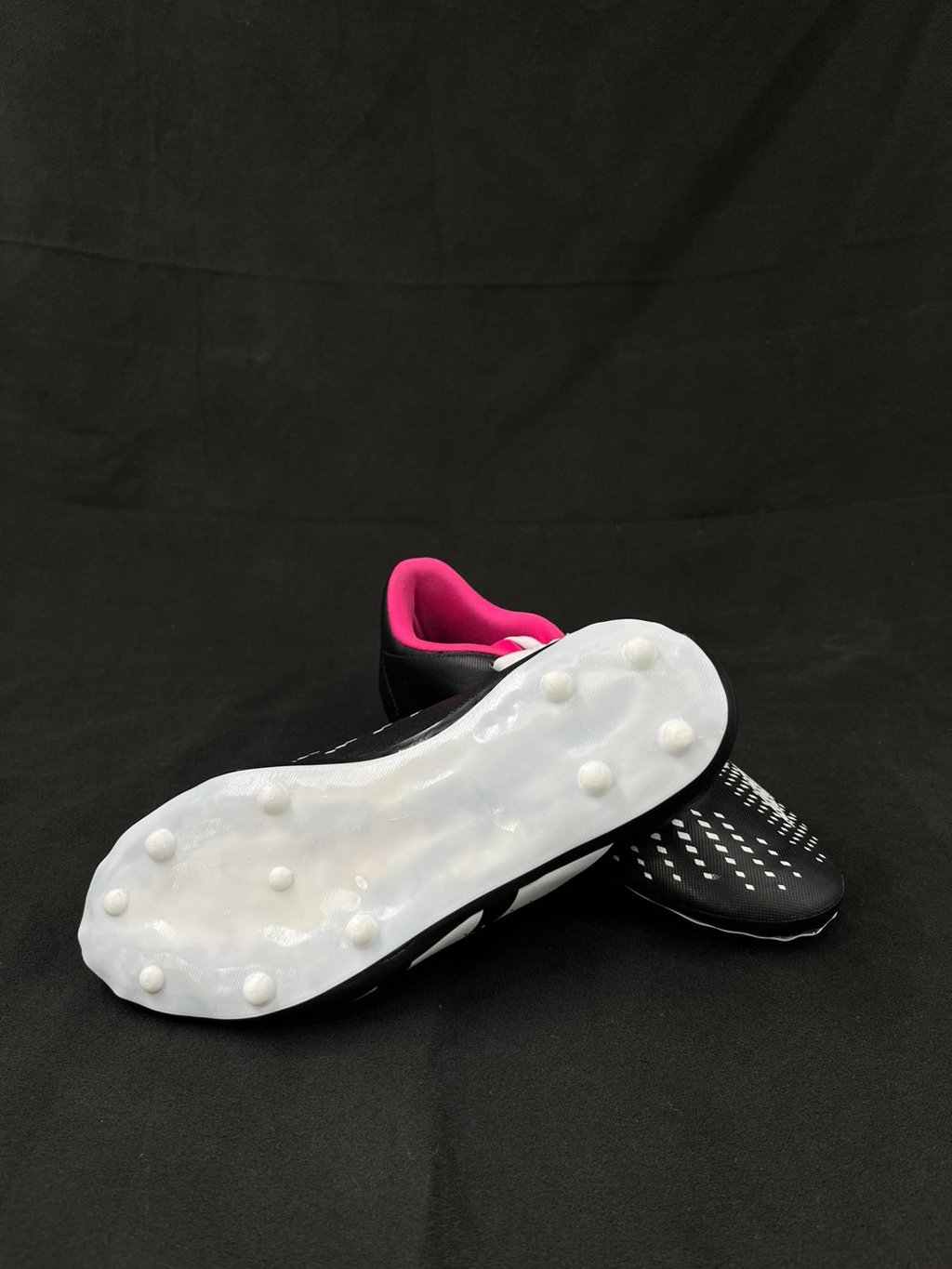
This project explores a new context within ultra-personalised 3D-printed shoes and the insights gained during the process can guide future work collaborating with AI on multi-faceted problems. The need for clear, specific instructions forces designers to think deeper about each design decision, and highlights the continued need for human oversight in the design process. Designing for women’s anatomy and protecting them from unnecessary injury will help create future sports stars, thereby promoting women’s sports on a global scale and setting the standard that women deserve equitable opportunities to excel in sports and beyond.
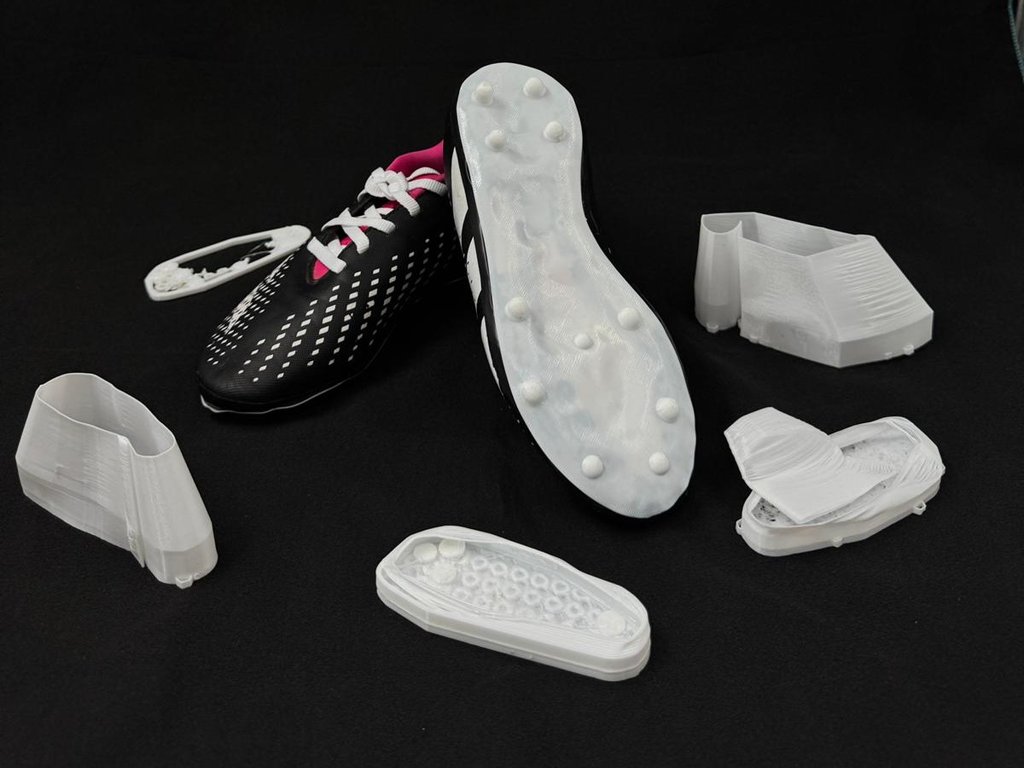
Further validation of this design is needed by podiatric doctors, biomechanical engineers, and users to ensure the final design meets all female GAA players’ needs.