



Kealan Stewart
Objects are used to communicate their function through form, or tangible interaction. For example, a vinyl record player has a large turntable, with multiple tangible knobs and buttons: its aesthetics match its function. However, now there’s a growing rift between the aesthetics and ethics of design artifacts, specifically smart speakers. Google state that their technology will eventually become invisible. This is sold as a benefit; however due to their mute form and interaction, they’ll eventually be forgotten about, while endlessly gathering our data. In ‘The Virus In Our Homes’, we created probes, using tangible interaction, and expressive forms in order to narrow the rift between aesthetics and ethics, to show what a truly honest smart speaker can look like.
What should an honest smart speaker look like?
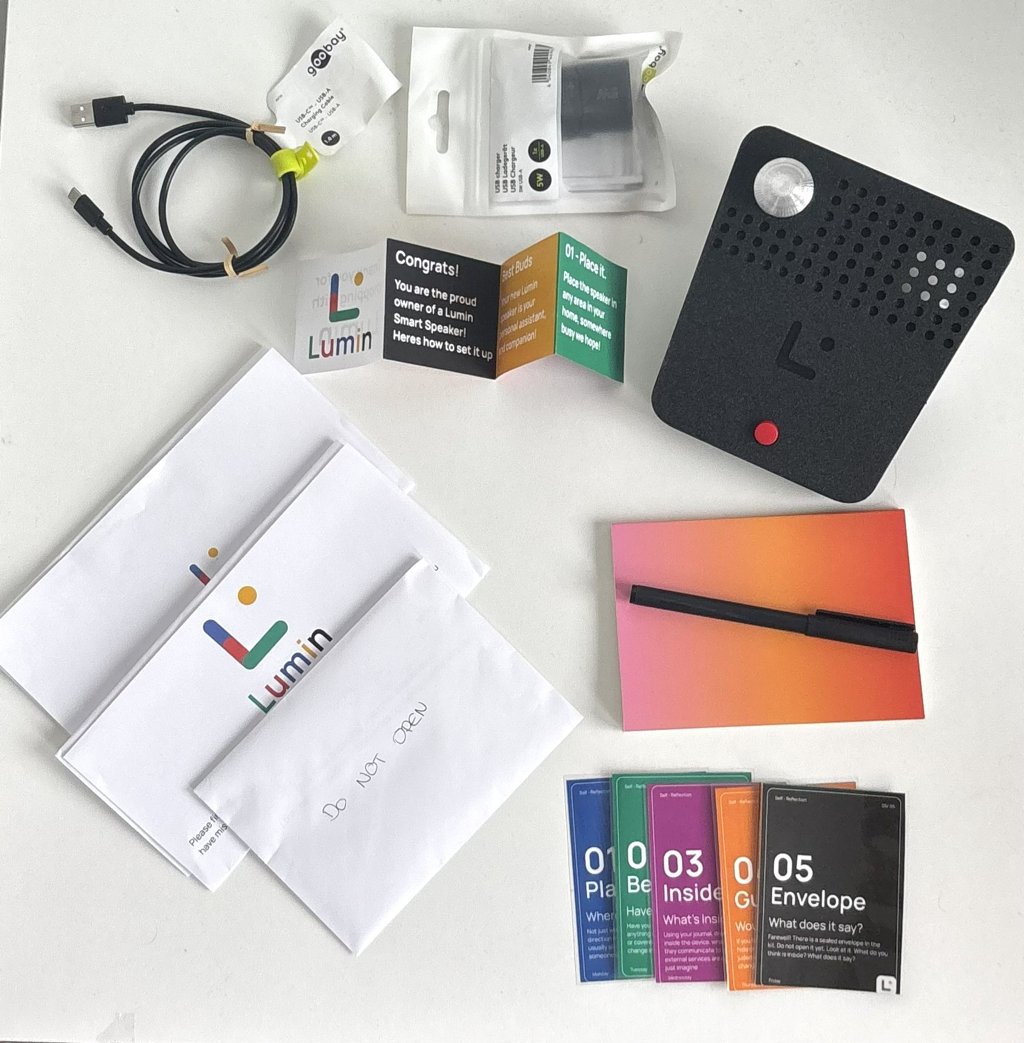
Four smart speaker probes were built and given to four users for a week while they completed daily tasks and reflections. Each device was functionally identical, with their form being the only variable. Probes 2 and 4 used expressive form to convey unethical functions, and Probe 3 used tangible interaction in order to reduce forgetfulness
Probe 1 was based off a typical smart speaker. Its mute, familiar form made the user forgetful and saw it as a friend.
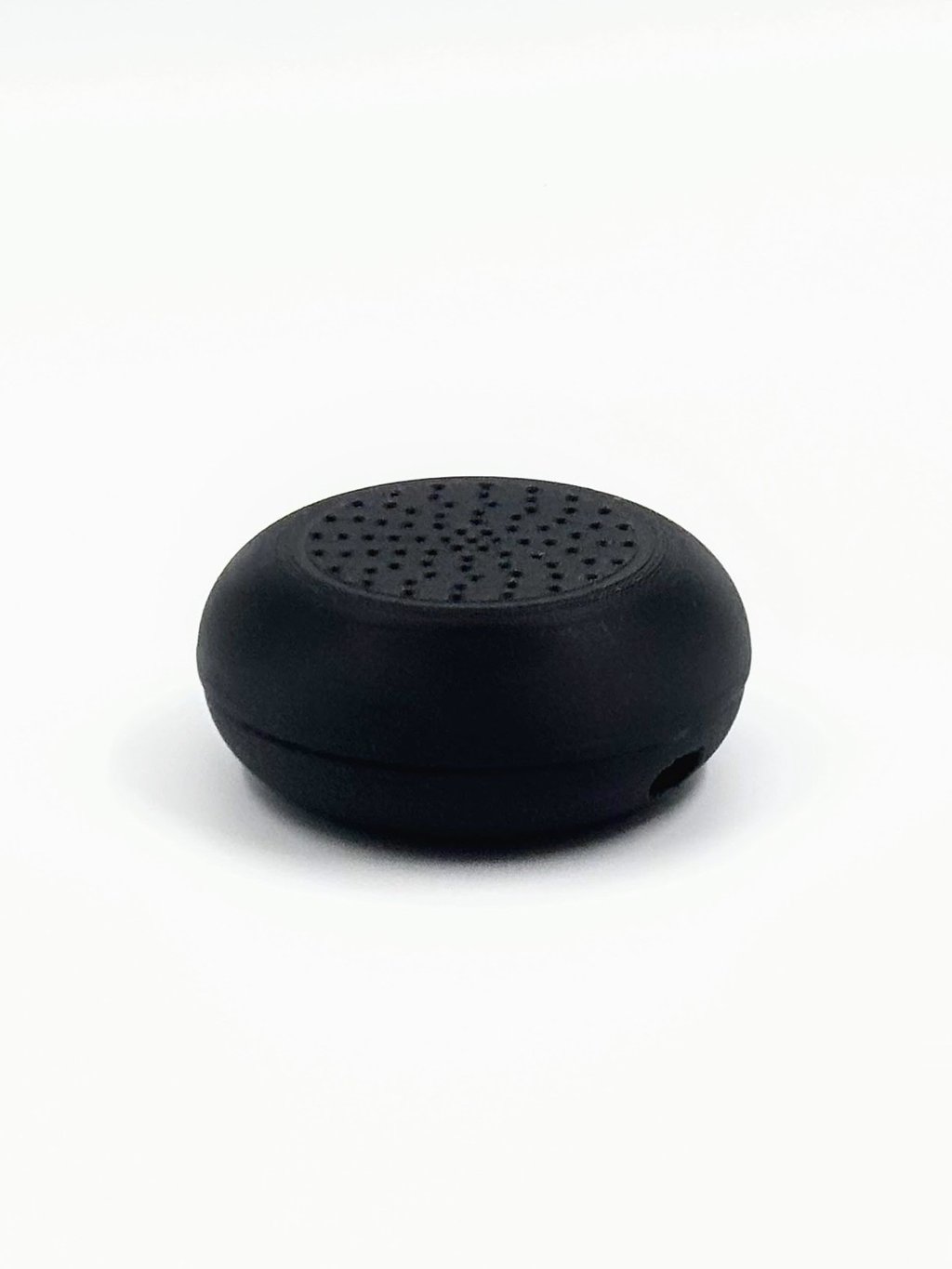
Probe 2 used the virus analogy to convey the viral functionalities of the device. The user was uncomfortable around it.
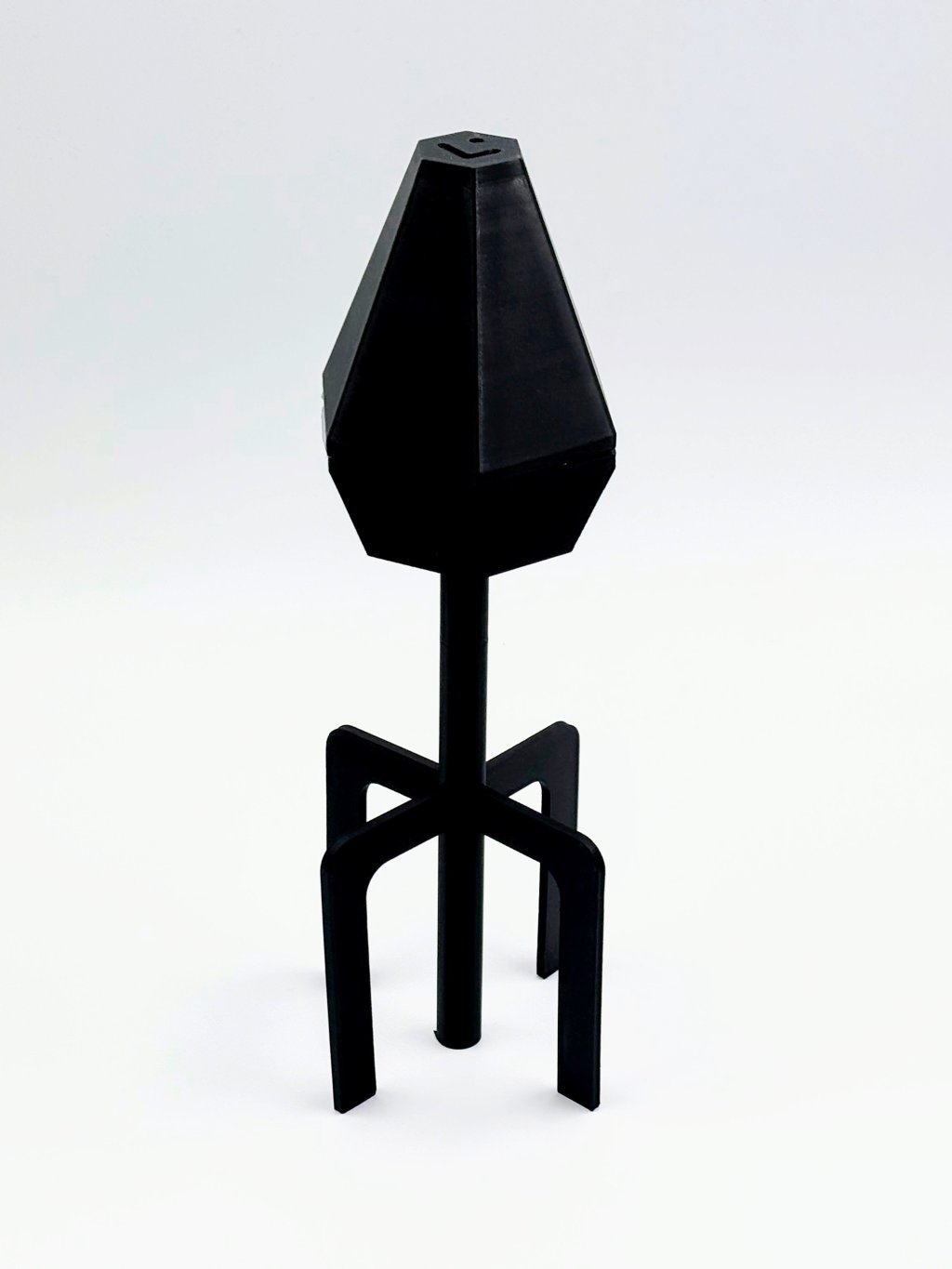
Probe 3 resembled an answering machine. Its tangibility, of a button, instead of a wake word, made the user less forgetful of its presence.
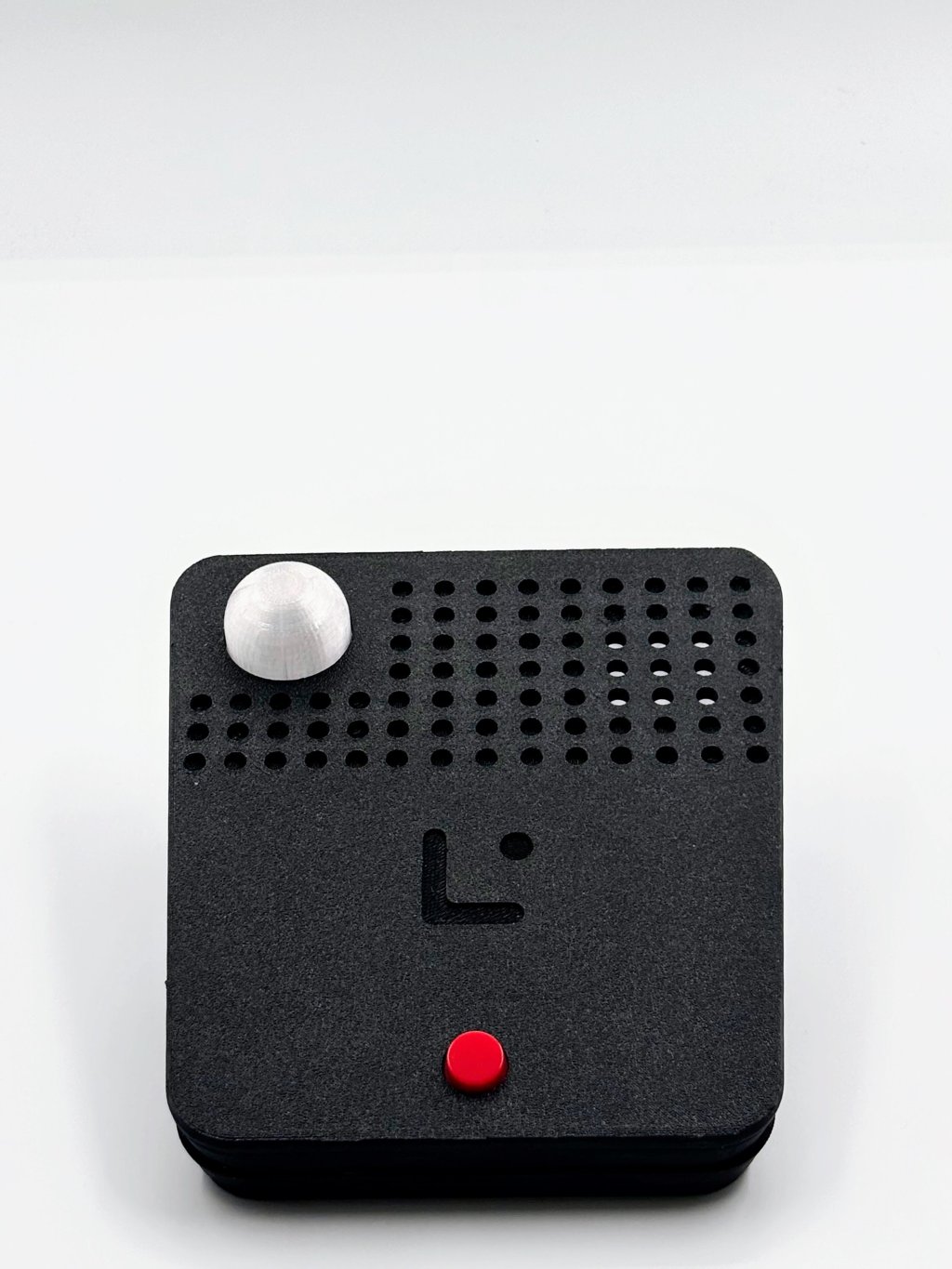
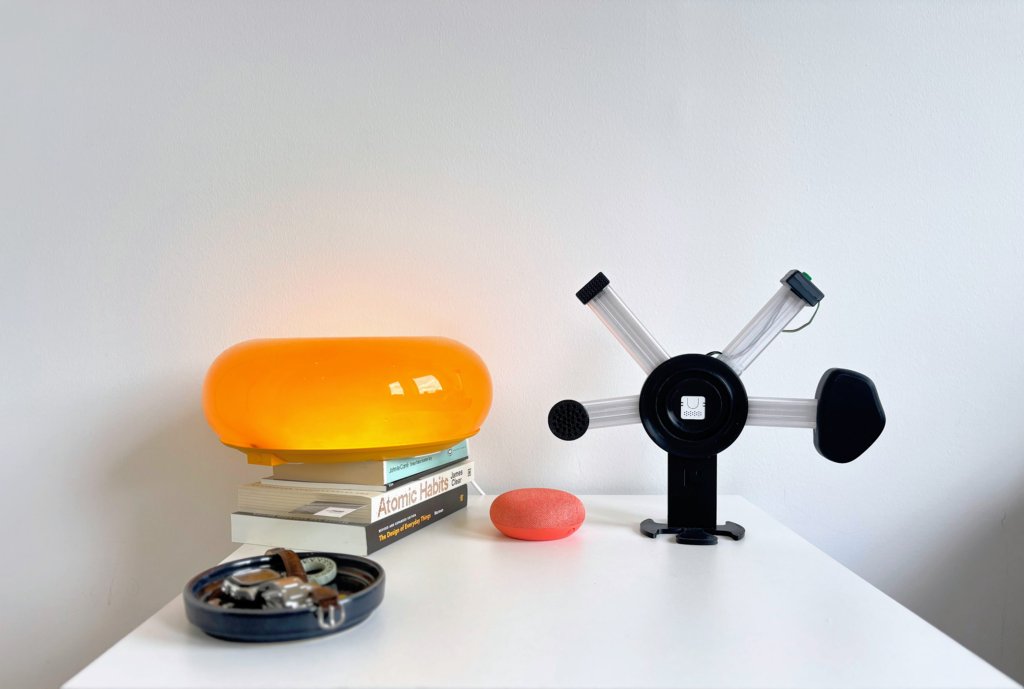
Probe 4 was the most expressive. It exposed the internal workings of a smart speaker. This user was the most uncomfortable and turned it away and covered it.
Expressive form made the user more aware, conscious, and uncomfortable about their device. The devices’ aesthetics did not follow conventional industrial design norms, but it followed the principle of ‘honest design’, However, this was only partial as it was honest in explaining the device’s watchful character, but not its function, as the users did not understand all of the internal components. These smart speakers highlight how we have sleepwalked into this minimalist design trend, where we can use aesthetics to hide a device’s unethical functions.
Our study shows that expressive form can reliably communicate a device’s unethical character, but not single-handedly communicate its ethical/unethical function.