



Giulia Talamini
Museums have long been designed around a particular type of visitor: one who can see. For people who are blind or visually impaired, this assumption shapes which works feel accessible, how much of the story becomes available, and whether the visit feels designed for them at all. Existing accessibility measures, whilst important, tend to treat access as a technical problem requiring standardised solutions: audio guides, tactile objects, braille labels. Yet accessibility is not uniform. Seven visually impaired visitors to the same museum will experience it in seven different ways. In Situated Access, we investigated what happens when inclusive design begins from that difference.
What would you notice about yourself from a distance?
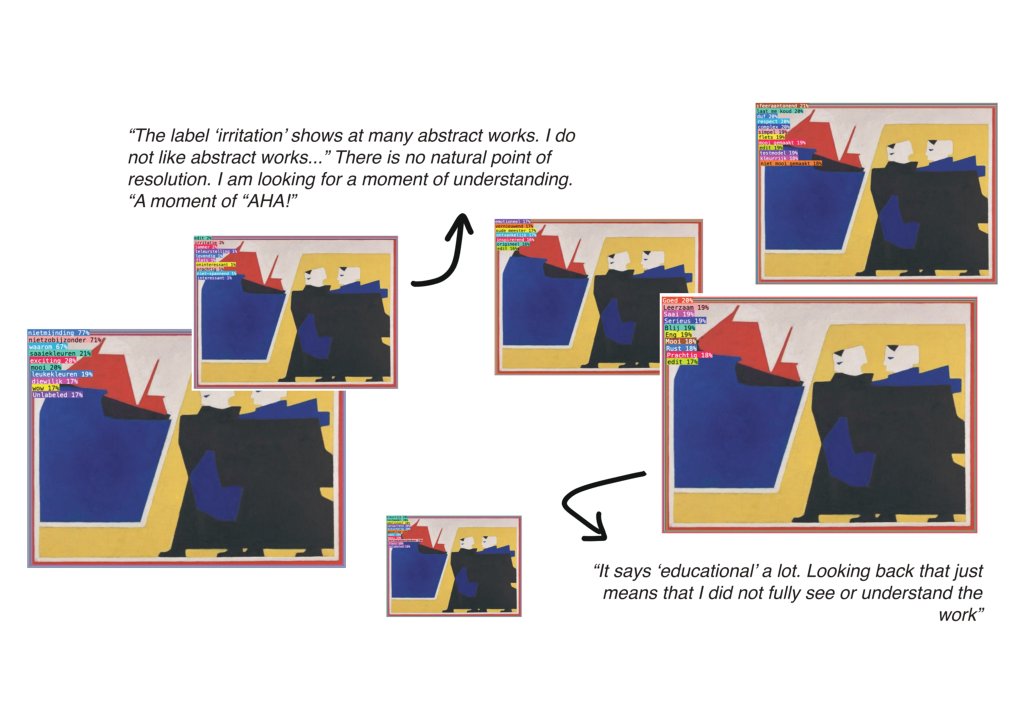
Working with the Kröller-Müller Museum, we trained personal AI classification models with seven visually impaired participants. Each participant developed their own affective vocabulary with words like "lively," "unfortunate," or "educational” and used these labels to sort 75 artworks from the collection. The trained models then predicted how each participant would respond to new works. The surprises in these predictions formed the research material.
AI model overview
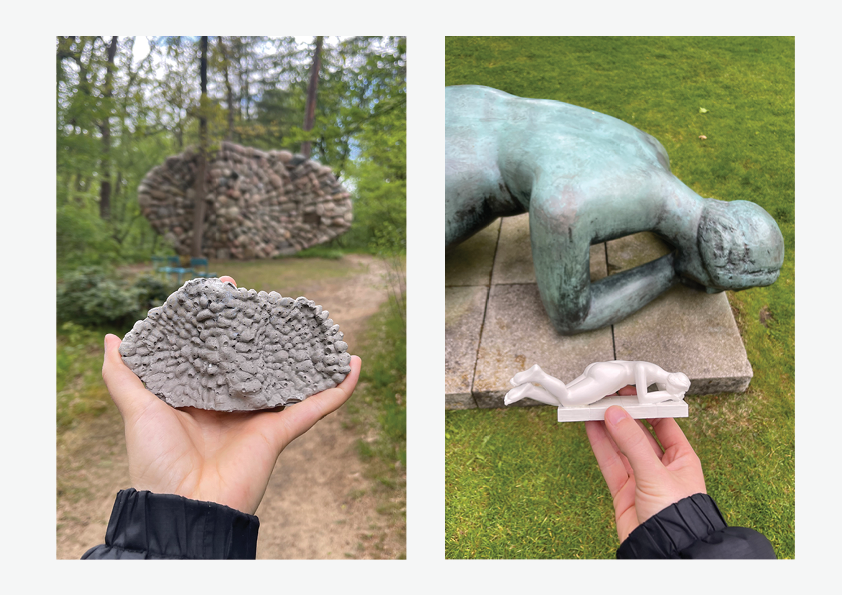
By treating AI as a means of reflection, it surfaced patterns participants had never made explicit before the session. It revealed small things like: don’t focus on abstract works as they miss a natural point of resolution, and: information on the work and artist is needed to better enable affect. It also showed that seven people require seven different things. The final design is a modular multi-sensorial tour and a touch object with different means of experiencing.
Niobe and the Echo
In Situated Access, we challenged how the design field approaches accessibility. We propose that accessibility functions as a direction of travel; something one moves towards with honesty and care across time. Our research demonstrates that designing from a clearly situated perspective, transparent about its own assumptions, can still leave space for diverse visitors to find their own way through an encounter.
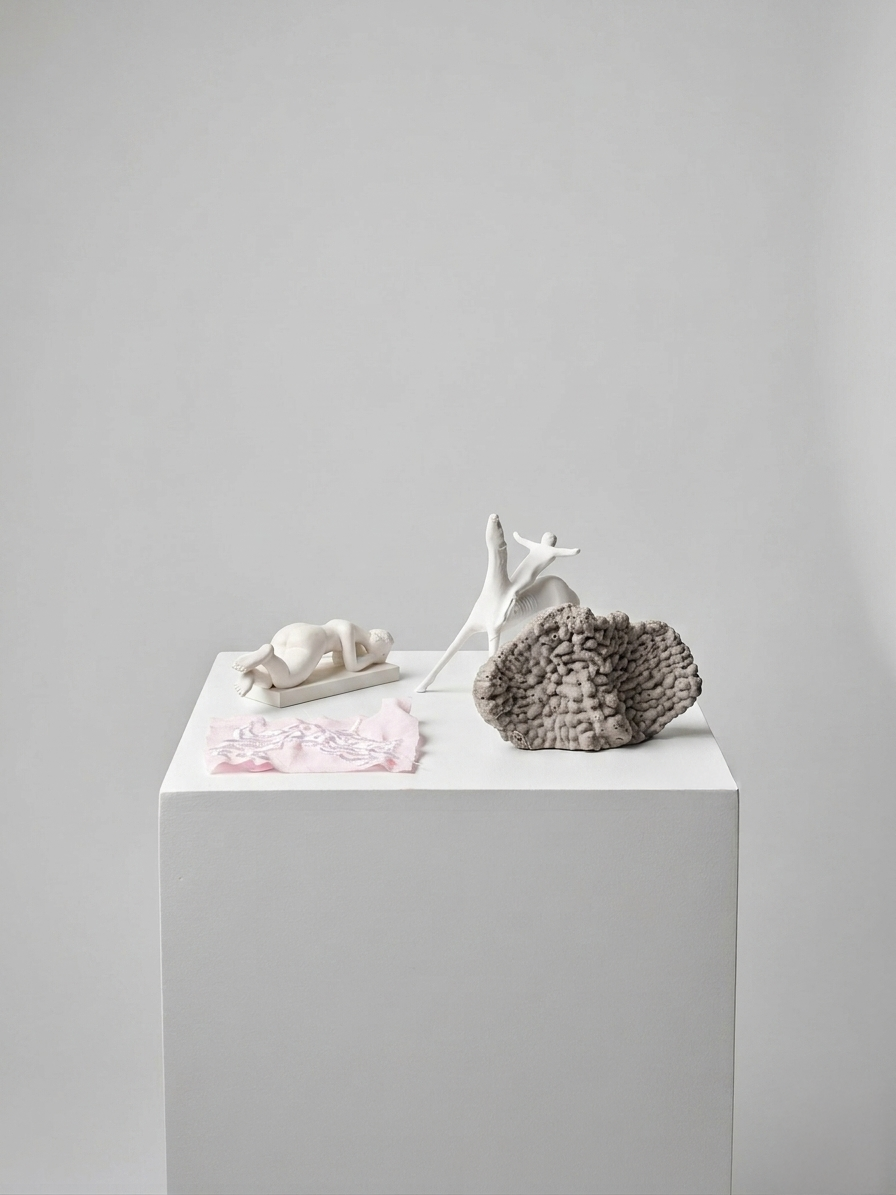
The work's limitation is also its strength: it remains irreducibly specific. Seven participants produced seven different maps of the same collection. That specificity resists easy generalisation, which complicates institutional implementation. Yet that same specificity allows genuine responsiveness to difference. Situated Access suggests that accessibility work requires new evaluation frameworks, ones that value relational care and individual variation.