

Stefanie Aerts
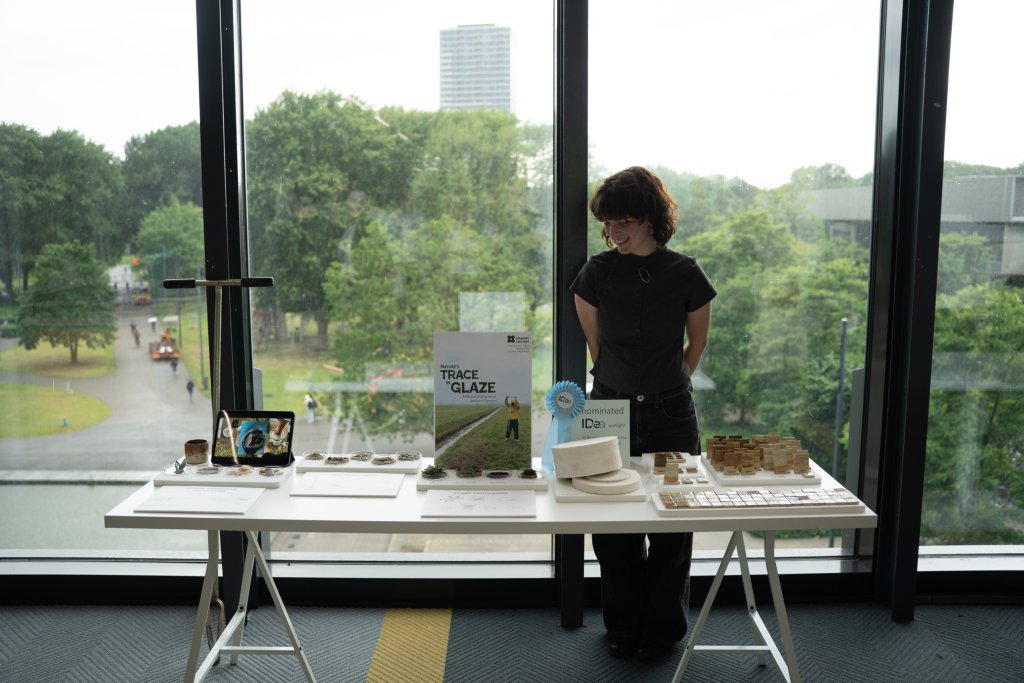
In ceramics, the relationship between maker and material (clay) is the basis for all making. With conventional glaze ingredients, ceramicists are often unaware of the origins and negative impacts of the materials they use. The depletion of mineral resources, increasing material scarcity, and unethical extraction practices highlight the negative consequences of conventional glaze practices. In recent decades, the design field has shifted towards more sustainable practices, aiming to change humans’ extractive attitude and impact towards the environment. One way to change this extractive attitude is to change our relationships with the materials we use. Nature’s Trace in Glaze uses foraging as an alternative approach to gathering materials for ceramic glaze practices.
How does the use of local materials influence making?
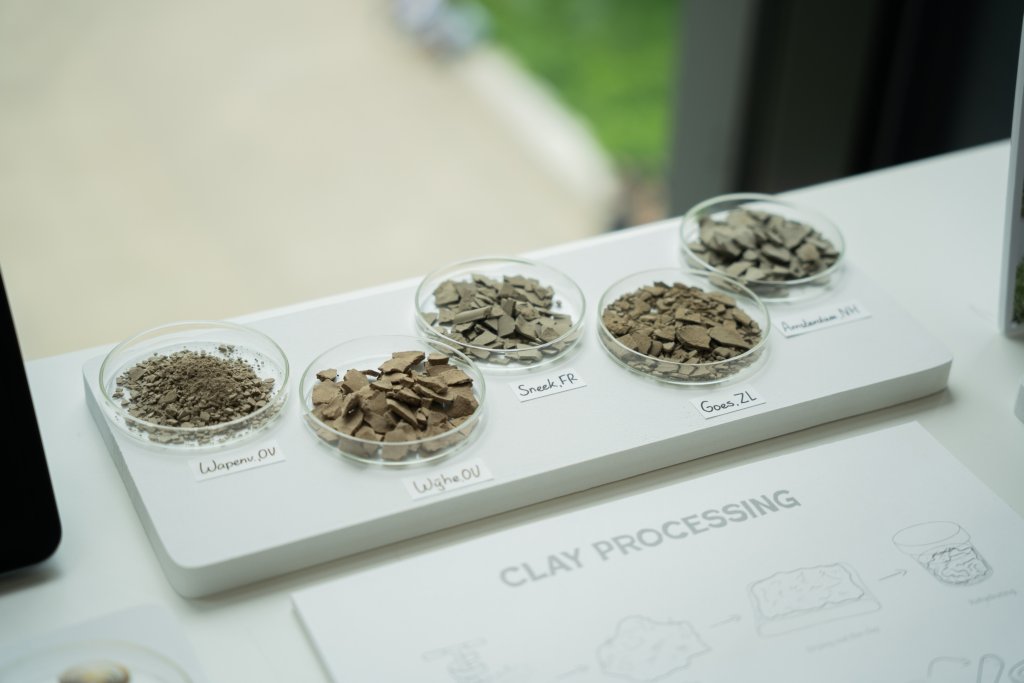
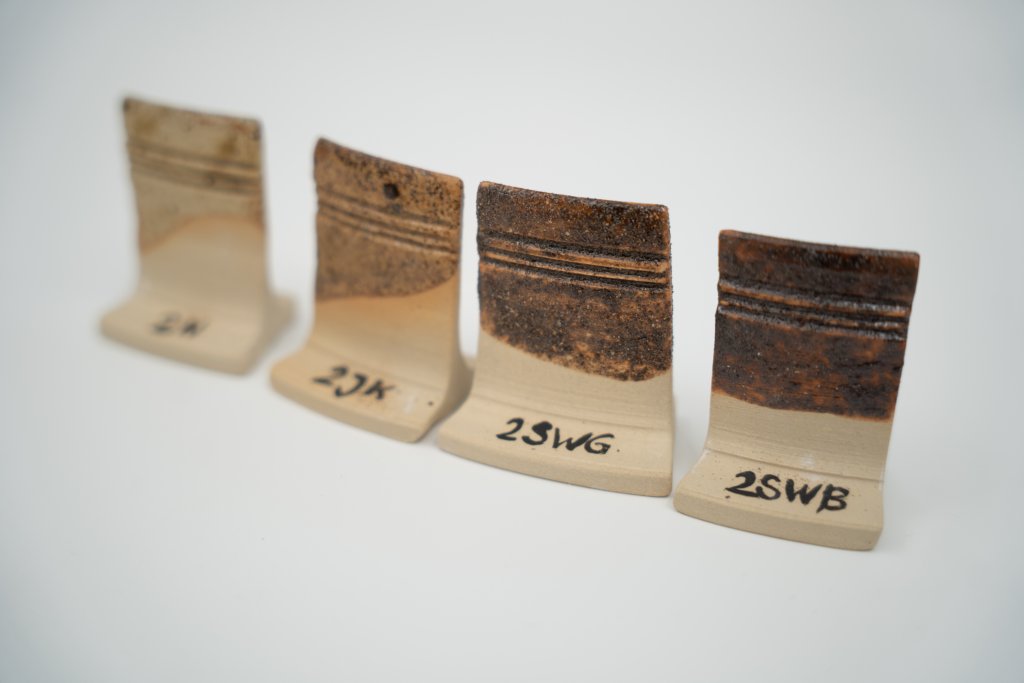
Our goal was to make a range of ceramic glaze test tiles using as much foraged material as possible. We gathered local materials like wild clay, plant ash, and seashells, and processed these to create glazes. The resulting glaze test tiles document how the materials behave when fired in a microwave and a ceramic kiln in various combinations and concentrations. Moreover, while foraging for materials and their processing, it was important to reflect on the impressions of and impacts on the environment where the process took place through diary entries and annotated photographs.
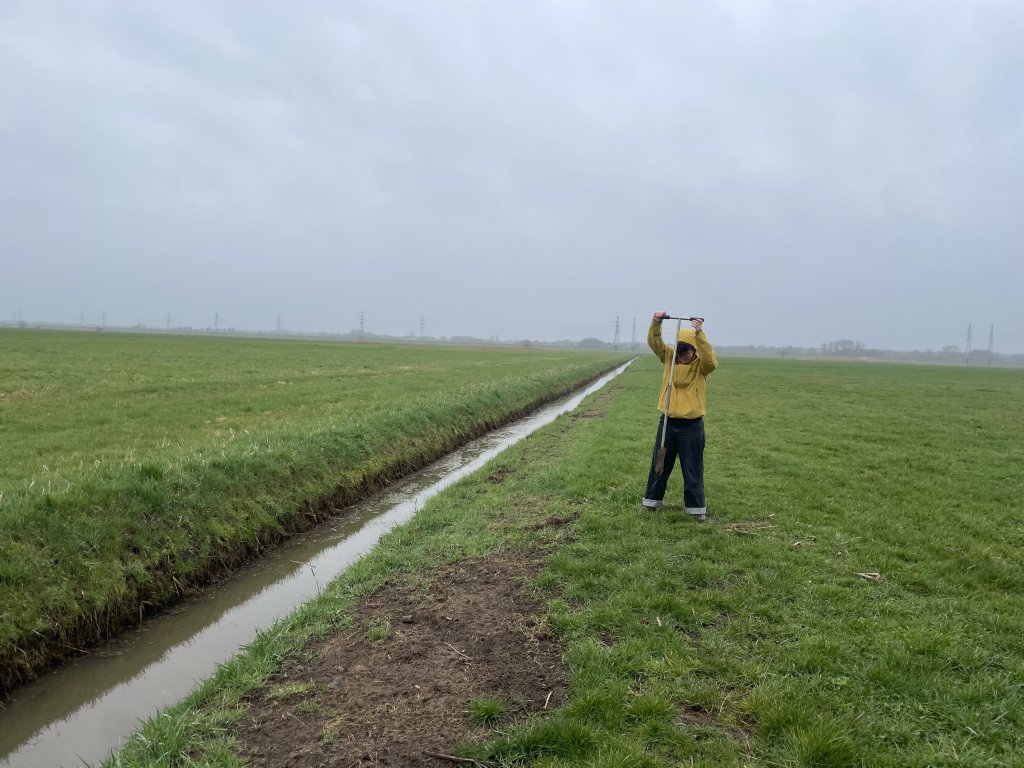
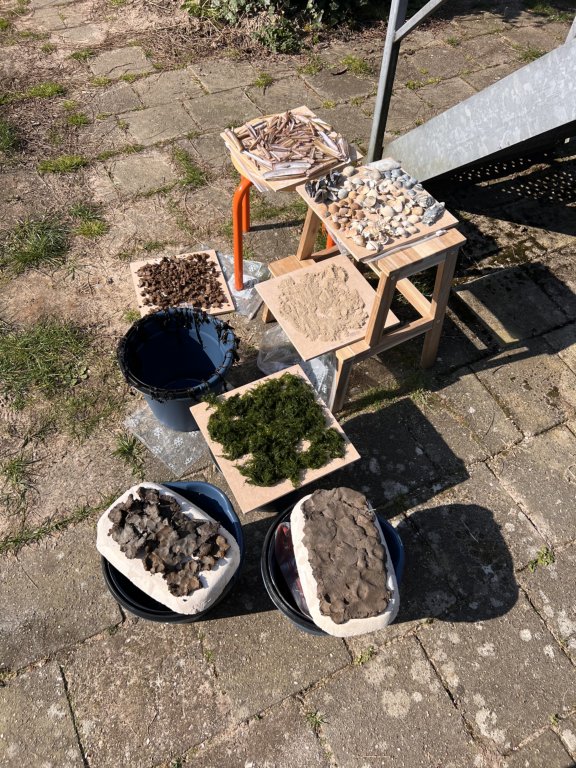
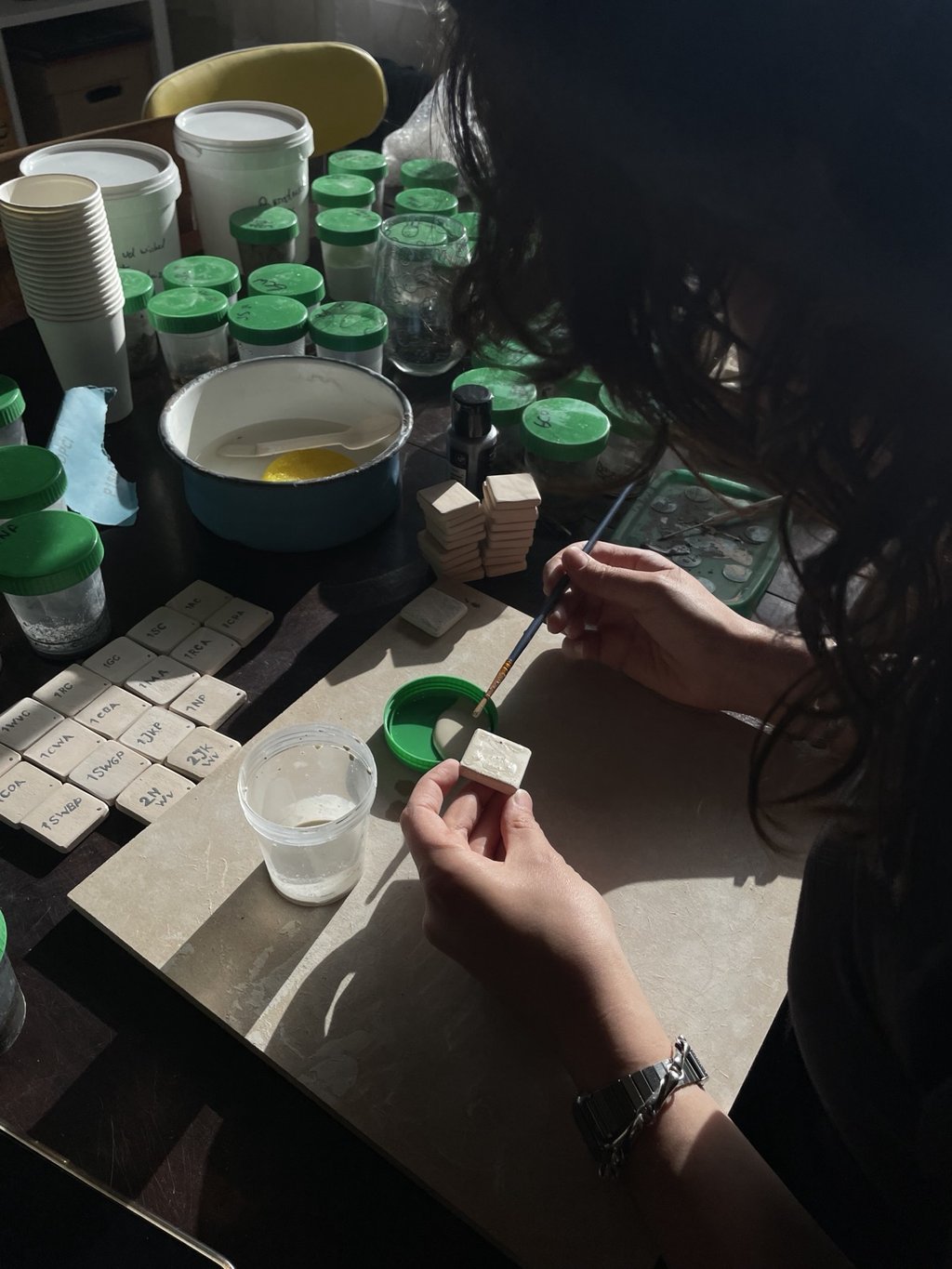
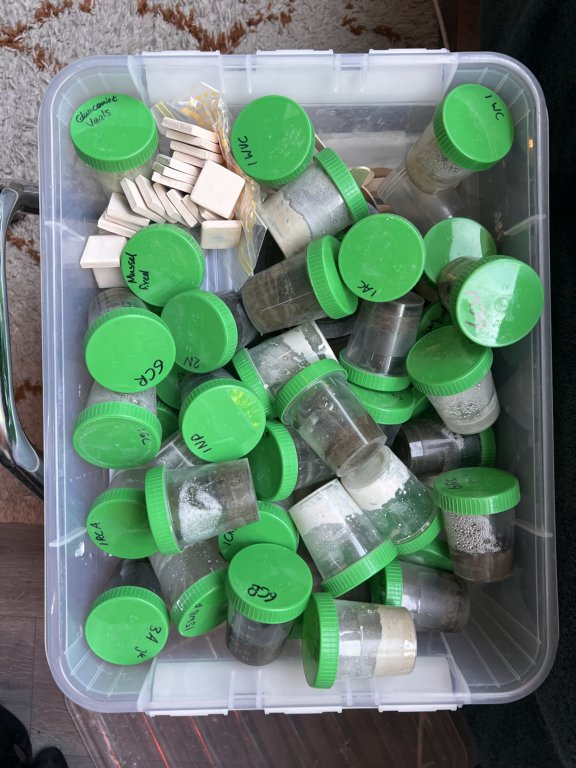
By engaging with environments where materials originate, designers are confronted with the impacts that using these materials have on the environment. To minimise the impact of gathering, we applied principles of reflective self-limitation, foraging for materials whose removal could have a positive impact for example, Japanese knotweed.
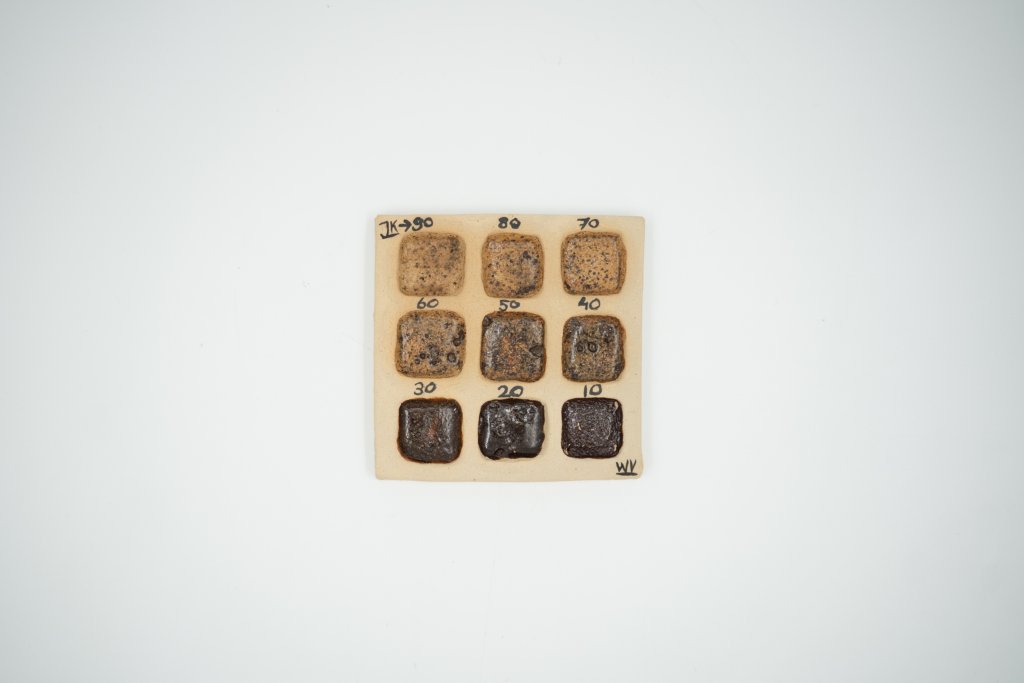
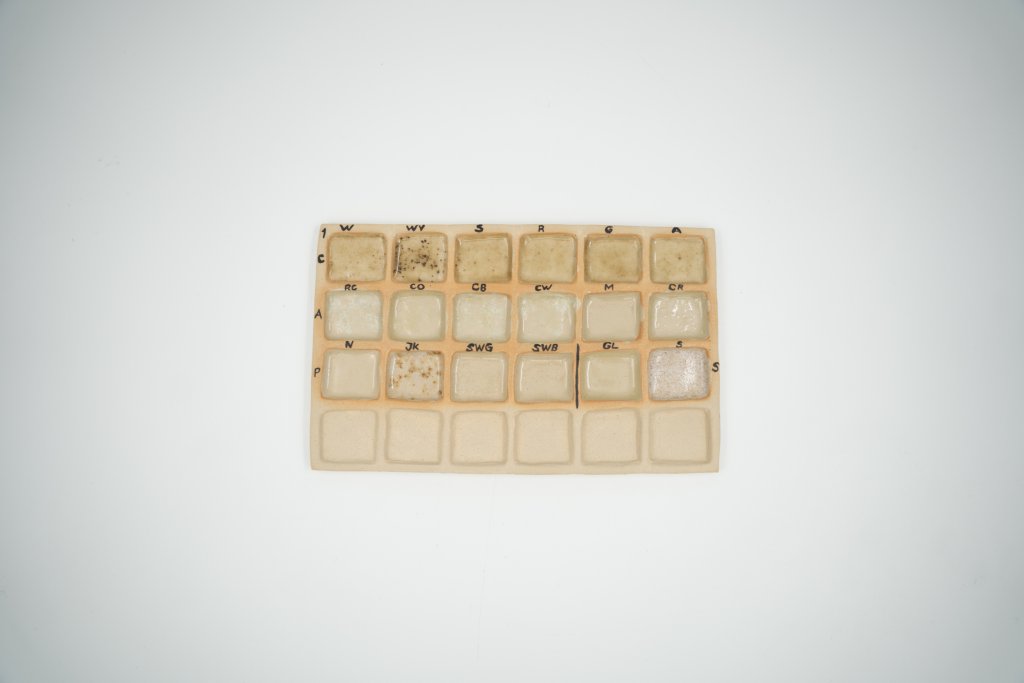
Foraging for material gives designers a new relationship with production ‘as a whole’ due to the connectedness with and impact on local environments while gathering. The resulting glaze recipes provide a foundation for further experimentation; currently they are not designed for larger scale production.
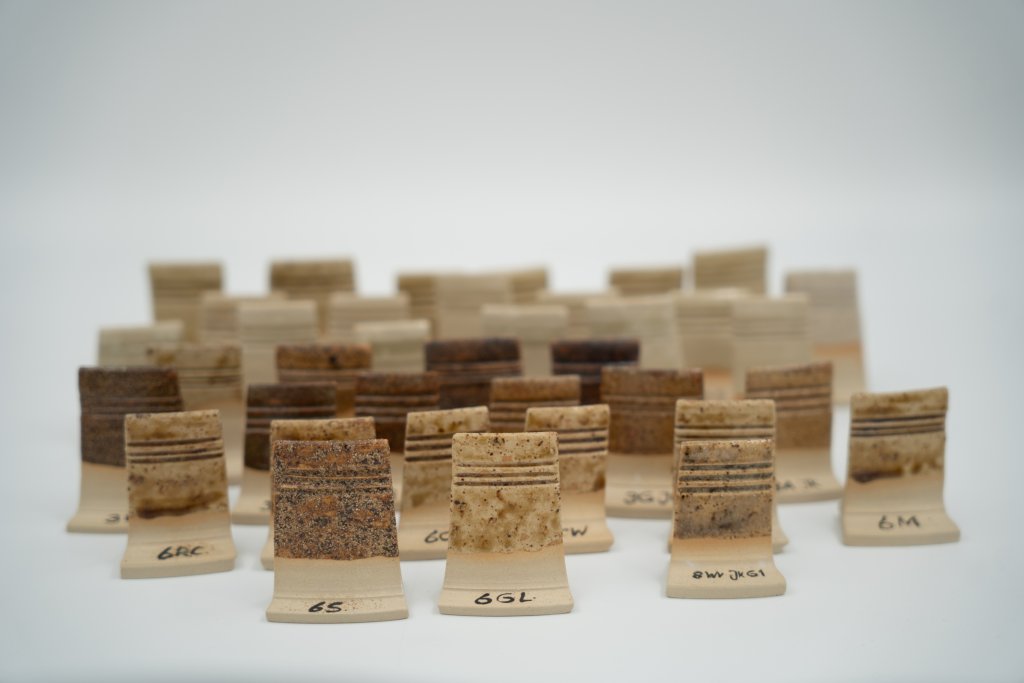
This project allows designers to reflect on their material relationships and will hopefully inspire them to more actively consider the impacts of their design processes.