



Melody (Huei Ying) Syu
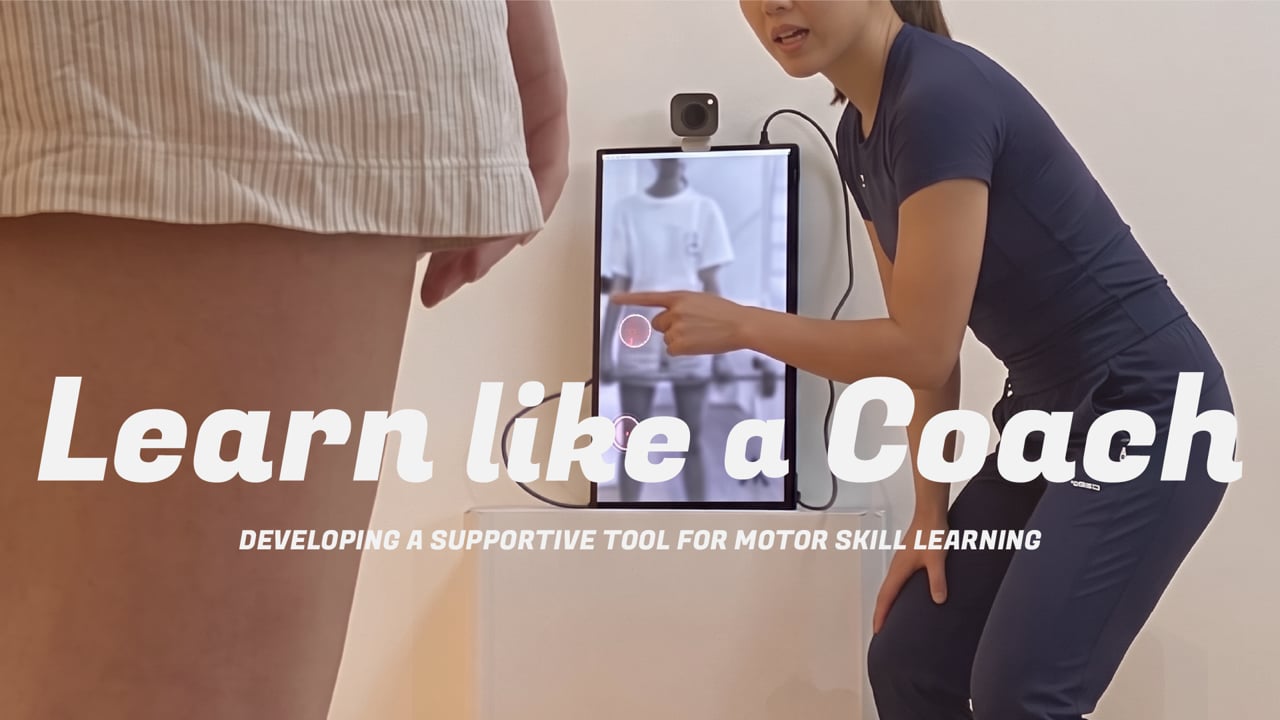
Learning correct movement is an important facet of sports learning. In many training situations, coaches identify their students’ learning states by observing their movements and then provide tailored feedback and/or guiding them through repeated practice. However, for students new to the movement, it is often difficult to connect the coach’s instruction to their own bodily experience. Even after the coach’s demonstration, students can still misunderstand the movement path, direction, sequence, or body position. Learn like a Coach addresses this gap by exploring how interactive visualisation can support coach-student communication and help students better understand their movement while practicing.
Can technology support coaching without replacing the coach?
Learn like a Coach develops and evaluates a coach-informed digital mirror system that can be integrated into practical coach-student training situations. As movement learning relies on proprioception and often requires direct guidance, the design brings the coach’s role into the system rather than replacing it. Coaches’ instructions and demonstrations are used as movement references, helping students understand the movement path, direction, sequence, and body position during practice.
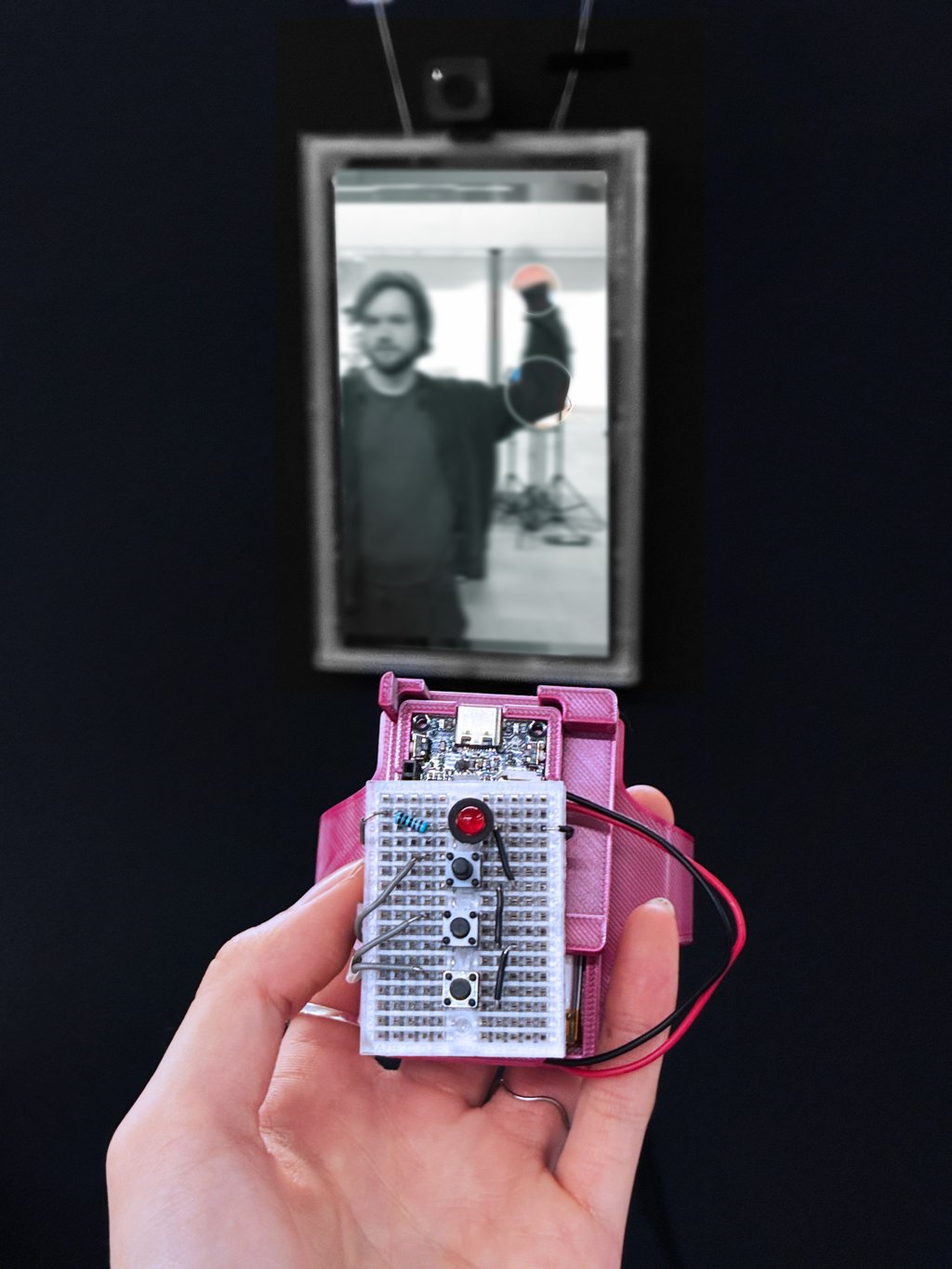
The design process began with coach interviews to understand how they observe, identify, and address students’ learning problems. These insights informed the system’s criteria and interface exploration through a student’s first-person perspective. By testing with students and coaches, we examined how the system supports or challenges coaching practice, especially in terms of visual clarity, cognitive load, self-awareness, and movement understanding.
Learn like a Coach is relevant to the theme by exploring how interactive technology can make sport learning more accessible and supportive for beginners. By translating coaches’ observations and instructions into visual references, the digital mirror improves communication between coach and student and helps beginners better understand movement during practice. Its impact lies in showing how Sport HCI can move beyond performance enhancement toward supporting learning, participation, and well-being.
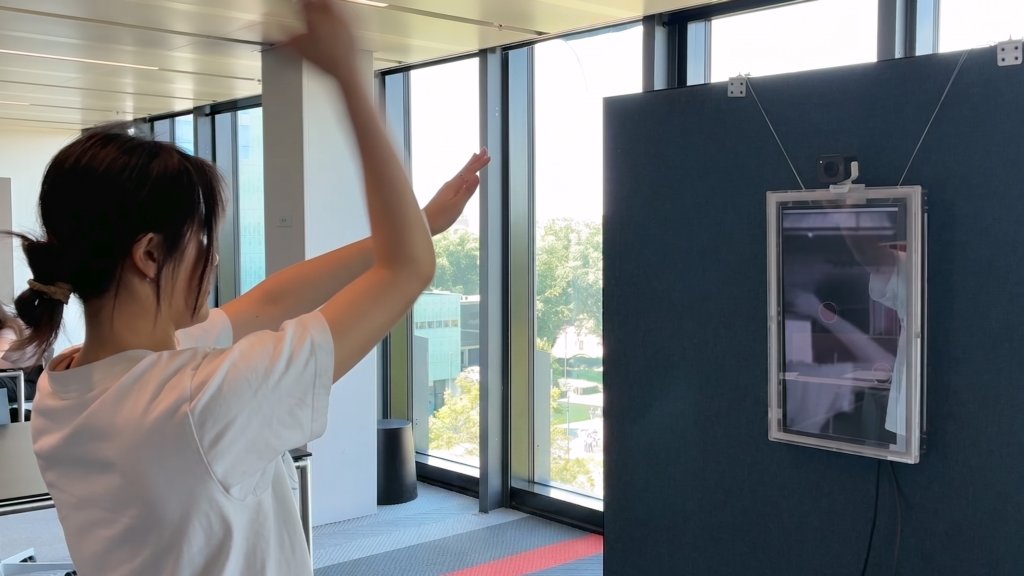
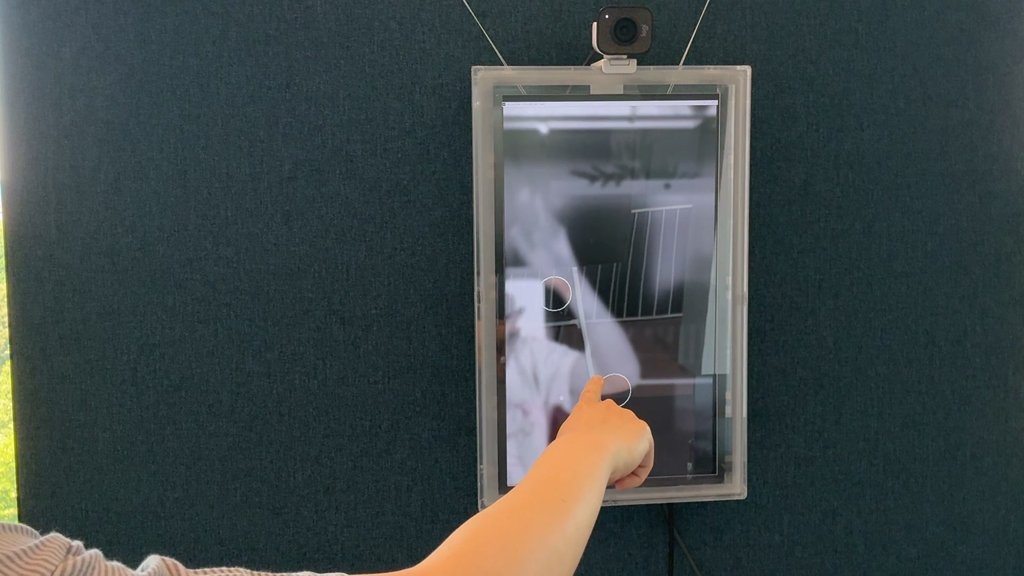
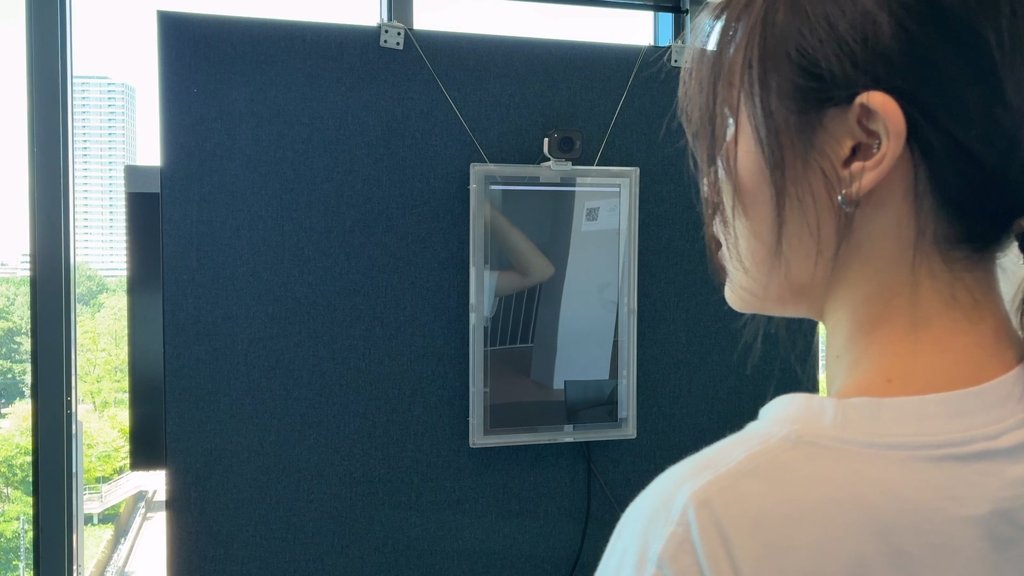
A possible limitation is that visual feedback can become distracting if students focus too much on the system instead of their own body. Moreover, while the mirror offers visual support, some learners may feel uncomfortable seeing themselves reflected during practice. Therefore, our design carefully balances guidance, body awareness, personal comfort, and the coach’s role.