



Liam Hayes
Repairability is increasingly recognised as an important part of sustainable product design. Recent initiatives have improved access to spare parts, tools, and repair information. However, the challenge is not only technical access, but also user confidence; Products that are technically repairable can still feel inaccessible to many users due to intimidation. This project explores how products can more clearly communicate repair opportunities and reduce the uncertainty that often prevents people from attempting repairs.
What if repairing your electronics was encouraged instead of gatekept?
In this project, we developed a system of embedded guidance that communicates repair-relevant information directly embedded into the electronic product. The process involved Integrating guidance into three consumer electronic devices, and was designed to help users navigate the device with greater confidence. A/B User testing with participants with varying repair experience levels showed that this intervention made repair tasks easier to interpret and reduced uncertainty. Rather than requiring detailed instructions, users often benefited most from simple cues that confirmed they were on the right track. The project demonstrates how physical products themselves can play a more active role in guiding and encouraging repair.
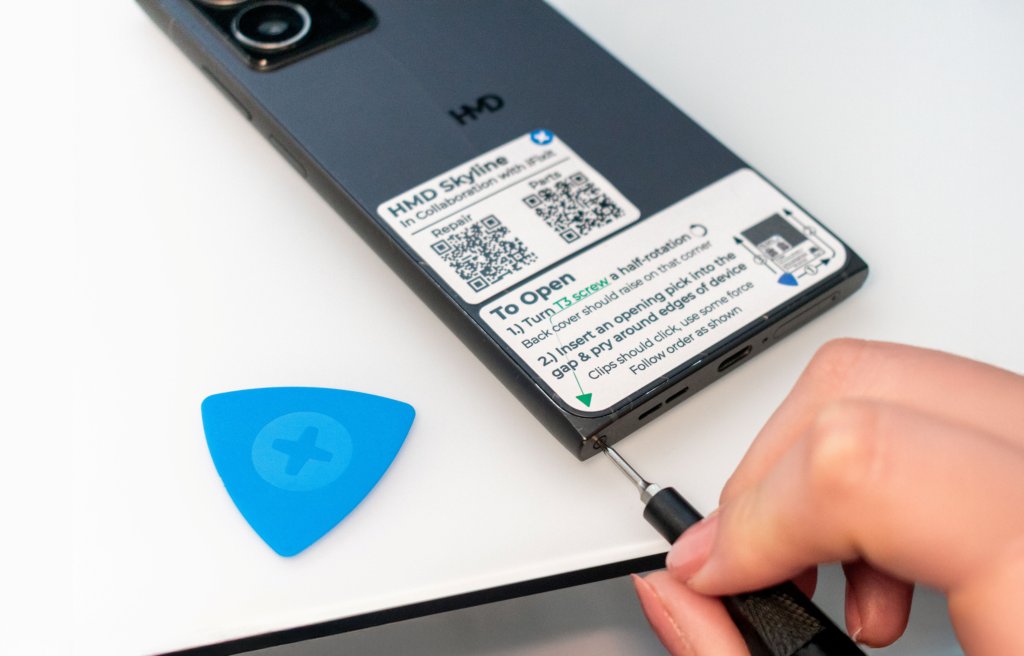
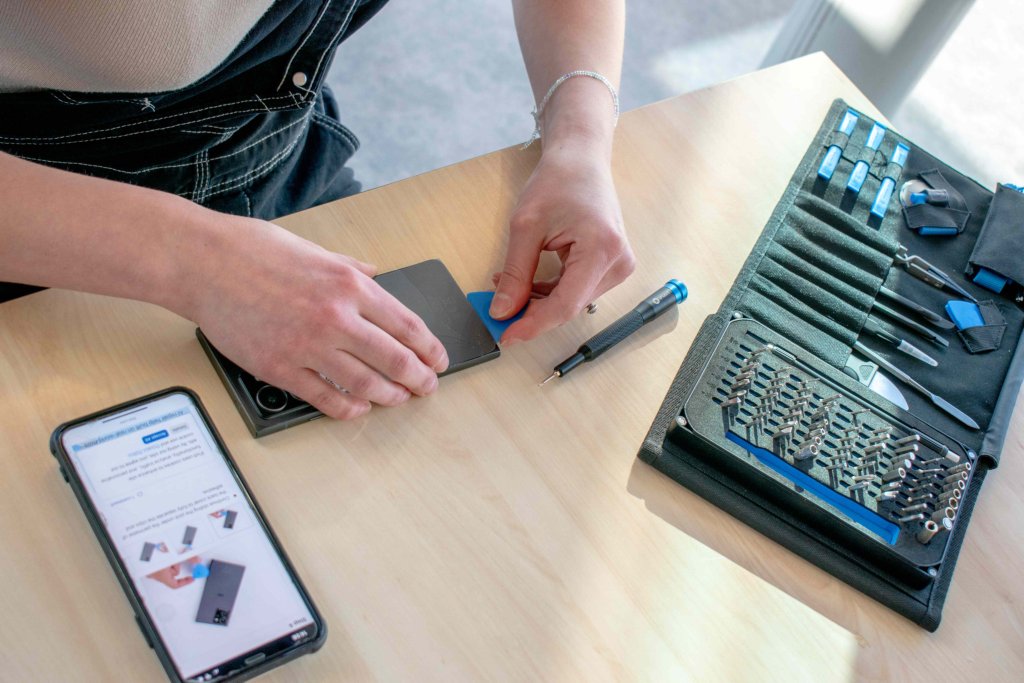
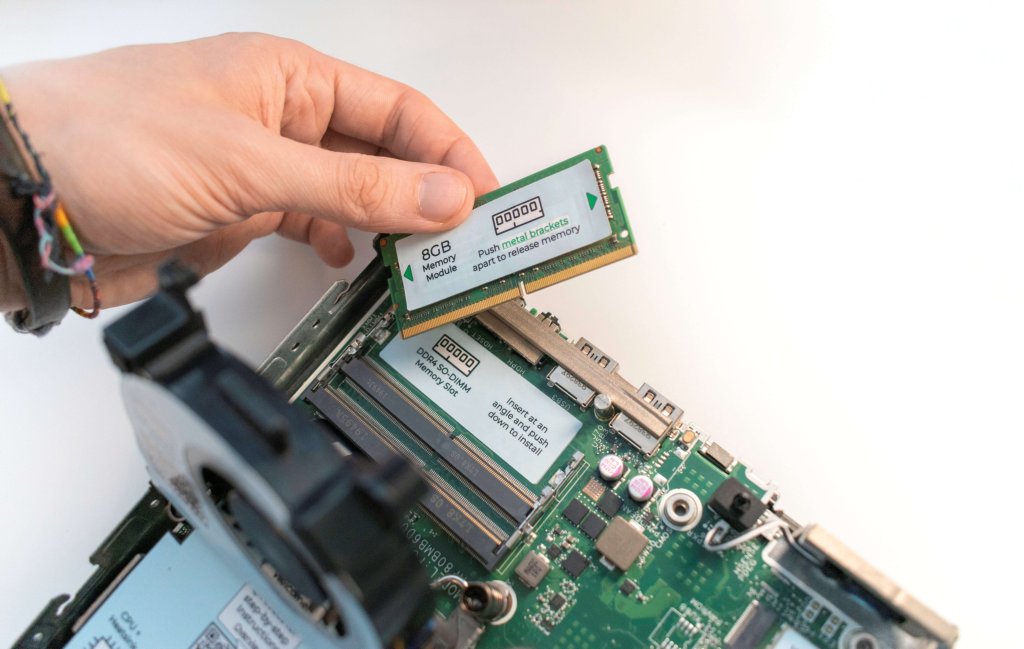

The project highlights confidence as an important but often overlooked dimension of repairability. Our findings suggest that making repair pathways visible and understandable can encourage greater engagement with repair, particularly among less experienced users. By approaching repairability as a communication challenge as well as a technical one, we show how repair-friendly products can be designed and evaluated. While tested on a limited range of electronic devices, the principles offer a foundation for broader applications where user uncertainty remains a barrier to repair.