Dakota Tucker, Catharina M. van Riet, David Rubin, Helen Wright, Suvendi Rimer
Arthritis in the thumb is one of the most common and painful forms of hand osteoarthritis, making everyday tasks like turning a key or gripping a cup difficult. The usual treatments - rigid splints, off-the-shelf braces, or 3D-printed orthoses - all come with a catch: they're either uncomfortable and one-size-fits-all, or they require expensive scanning equipment and design software that most healthcare workers don't have access to. This gap is felt hardest in low- and middle-income countries, where specialist clinics and engineers are simply not around the corner. The team set out to close that gap: could a soft, custom-fit brace be made using only tools already common in a therapist's clinic?
Could a 3D printer help treat arthritis in your community?
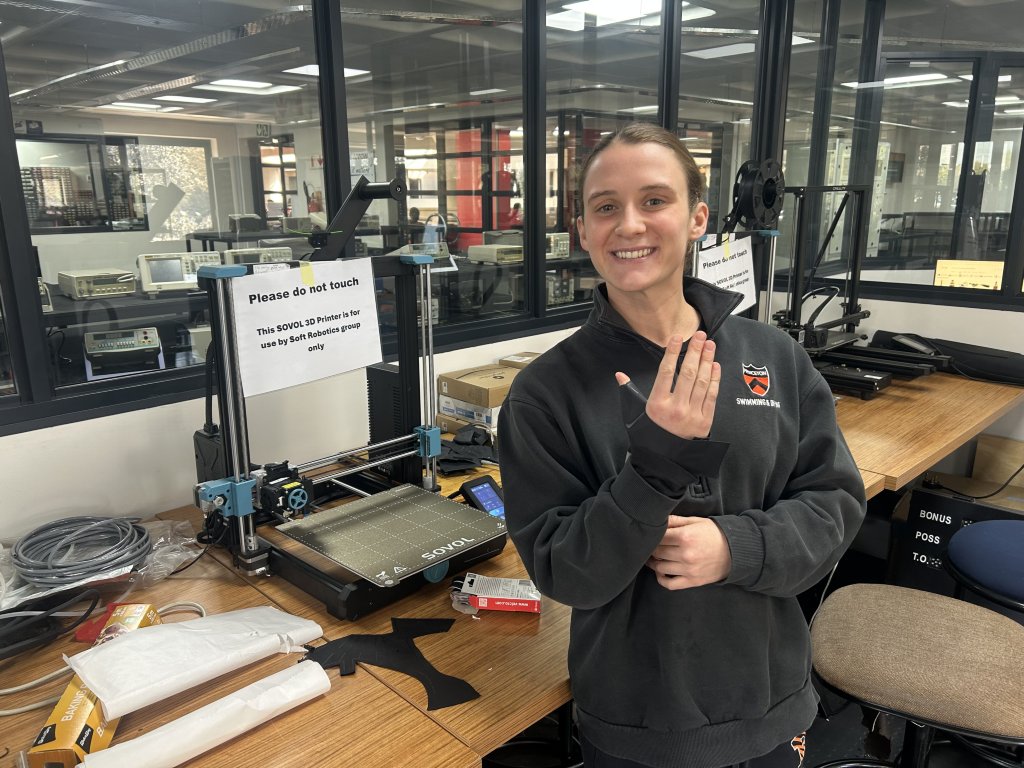
The team's answer is a soft, air-filled brace, gently inflated by hand to hug the shape of a patient's thumb and wrist. Instead of hard plastic, it's made from a thin, flexible fabric, sealed using heat - much like sealing a plastic bag. The clever part is how it's made: a commercially available 3D printer, fitted with a heated tip instead of its usual printing nozzle, traces the seal lines directly onto the fabric. A therapist only needs to take four simple hand measurements, type them into a template, and the printer does the rest - no engineering degree or software experience required. Once sealed, the brace is inflated with a small hand pump and held in place with a one-way valve, giving the patient a snug, supportive, and fully adjustable fit.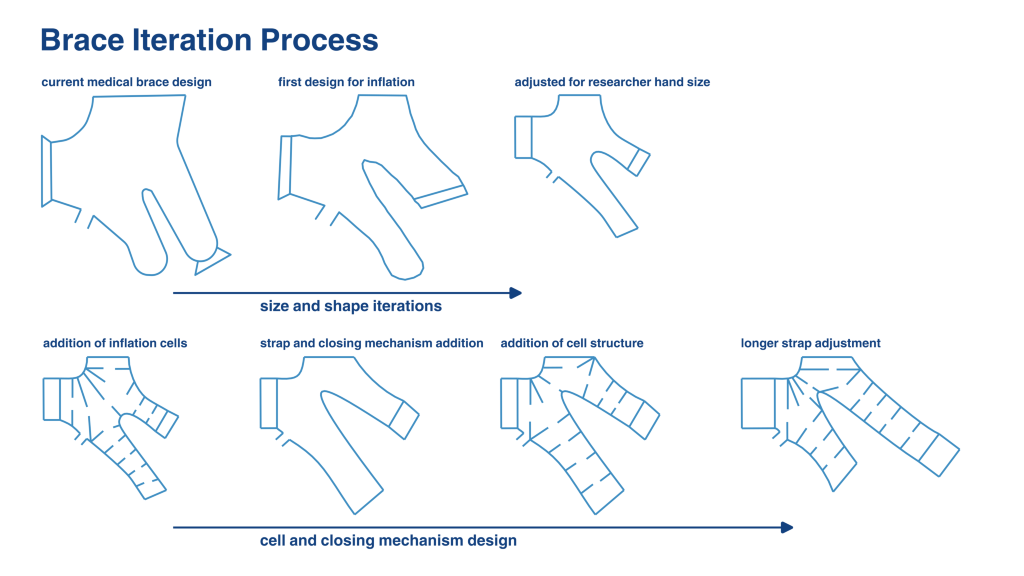
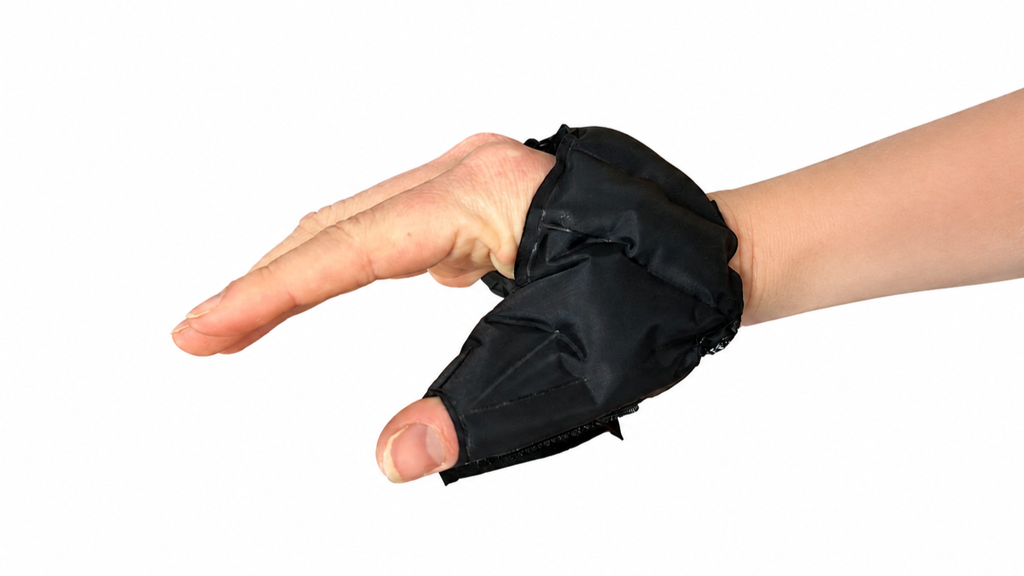
Our project shows that soft, medical-grade wearable technology doesn't have to stay locked in high-tech labs - it can be made accessible to the clinicians and communities who need it most. By turning a common commercially available printer into a fabrication tool, this approach could one day be adapted for other conditions beyond thumb arthritis, wherever a soft, custom-fit support is needed. It's still early days: the design has so far only been tested on one hand, and real clinical trials with patients are a crucial next step before it reaches the people it's designed for. But it offers a promising glimpse of what accessible, patient-specific medical devices could look like.