



Camila Vicent
Sugarcane juice is deeply engraved in Cuban culture and when vendors discard bagasse (waste from the juice extraction process), imagine what could be done if this byproduct were to be recycled. This waste stream can be applied to resolve a quiet crisis, the deterioration of the “sillón”, a traditional woven rocking chair found on nearly every Cuban porch. Adapted from the Thonet chair and reimagined for the Caribbean climate, its woven back provides natural ventilation but it is fragile, and with materials becoming harder to find and repairs too expensive for the average salary, people resort to patching it up at home with cardboard instead.
Can organic waste help preserve cultural artifacts?
Cane, Culture and Code offers a single solution to both problems by recycling sugarcane waste into a new material rooted in the very culture it came from. Bagasse was explored as a 3D-printable biomaterial, with emphasis on extensive material exploration.
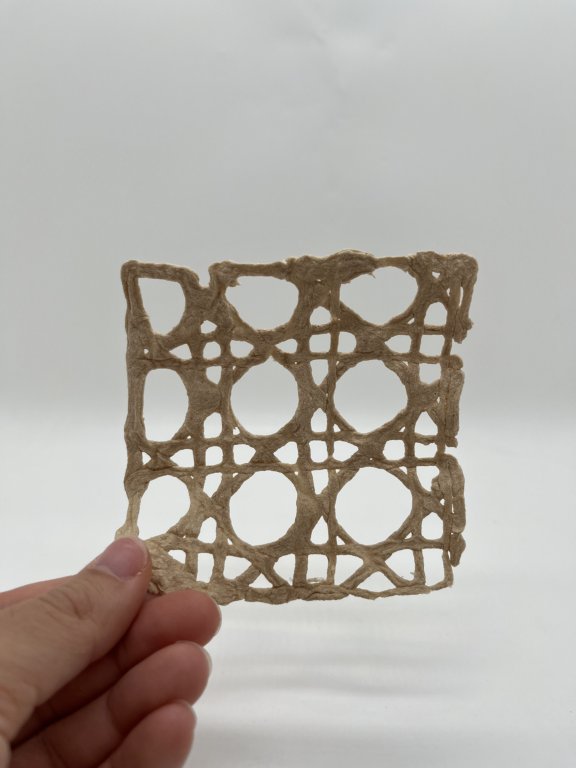
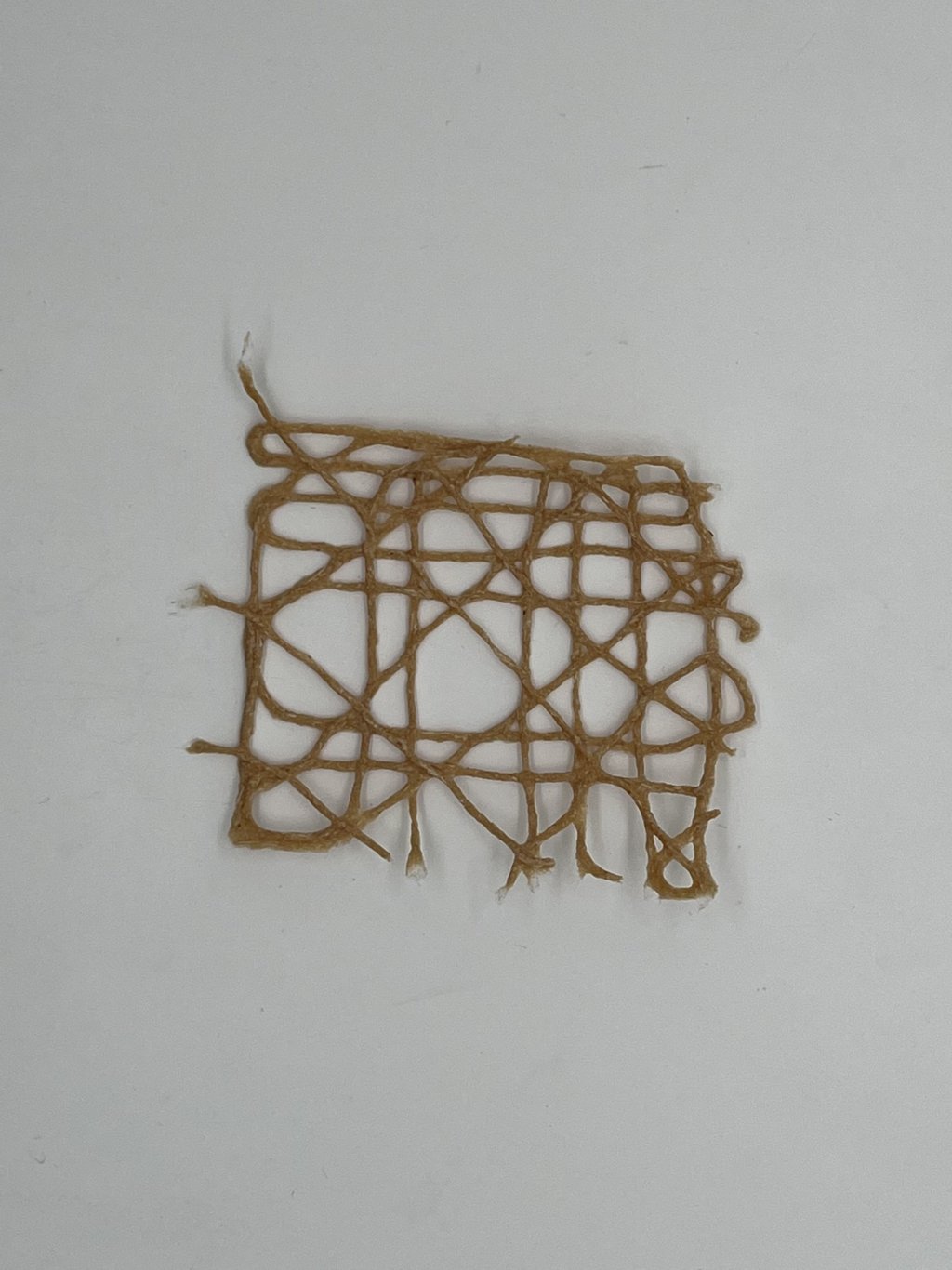
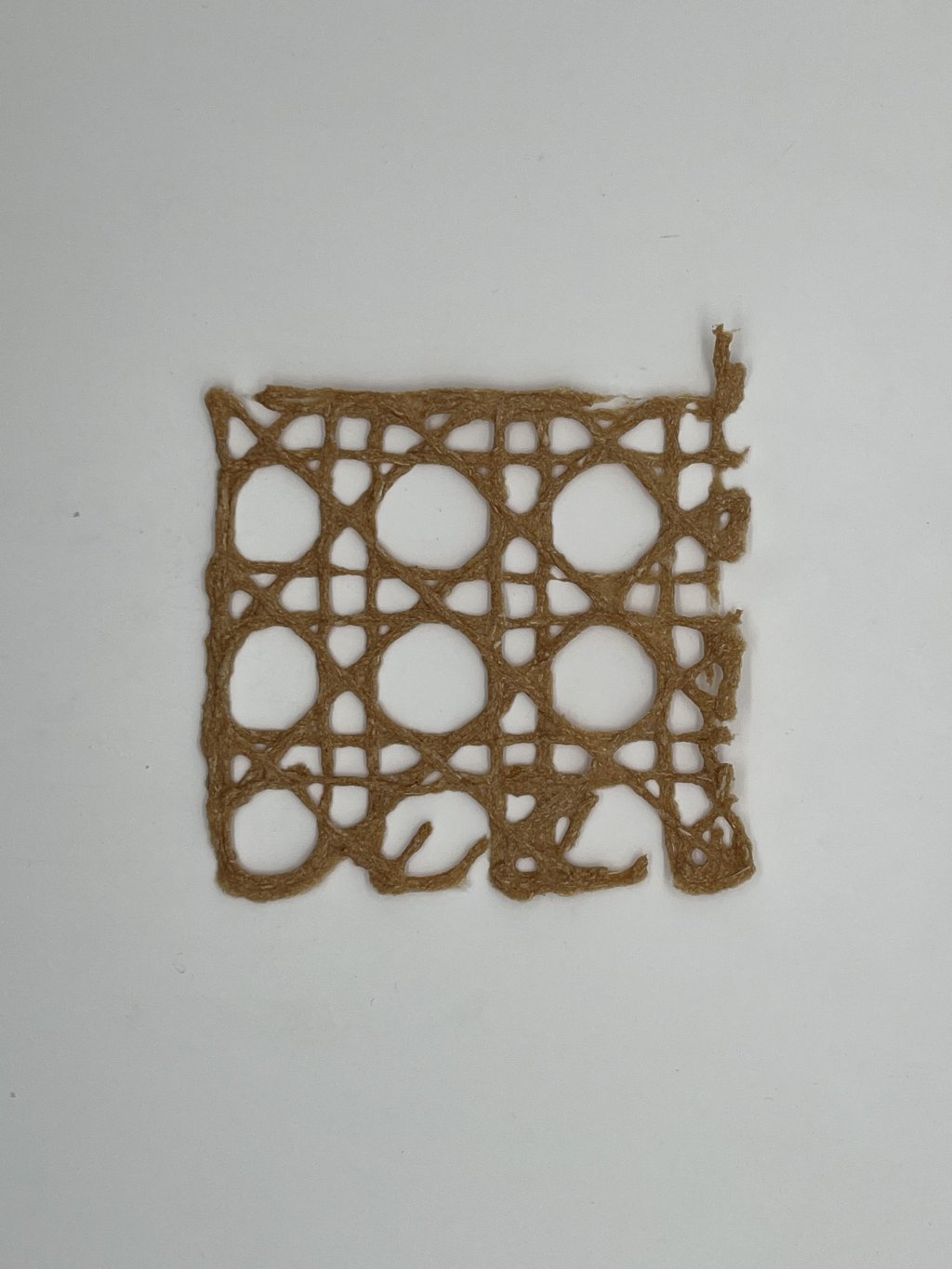
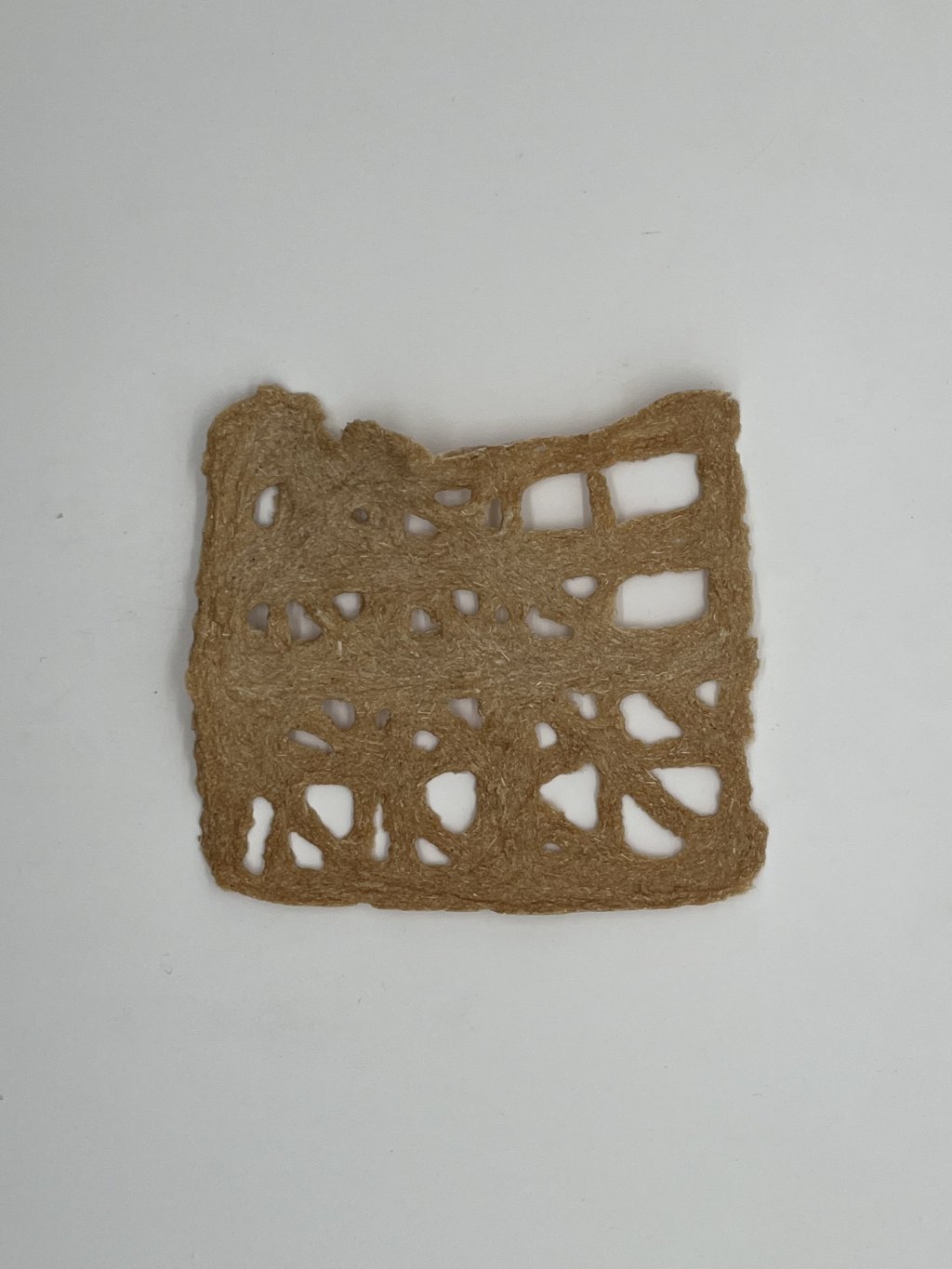
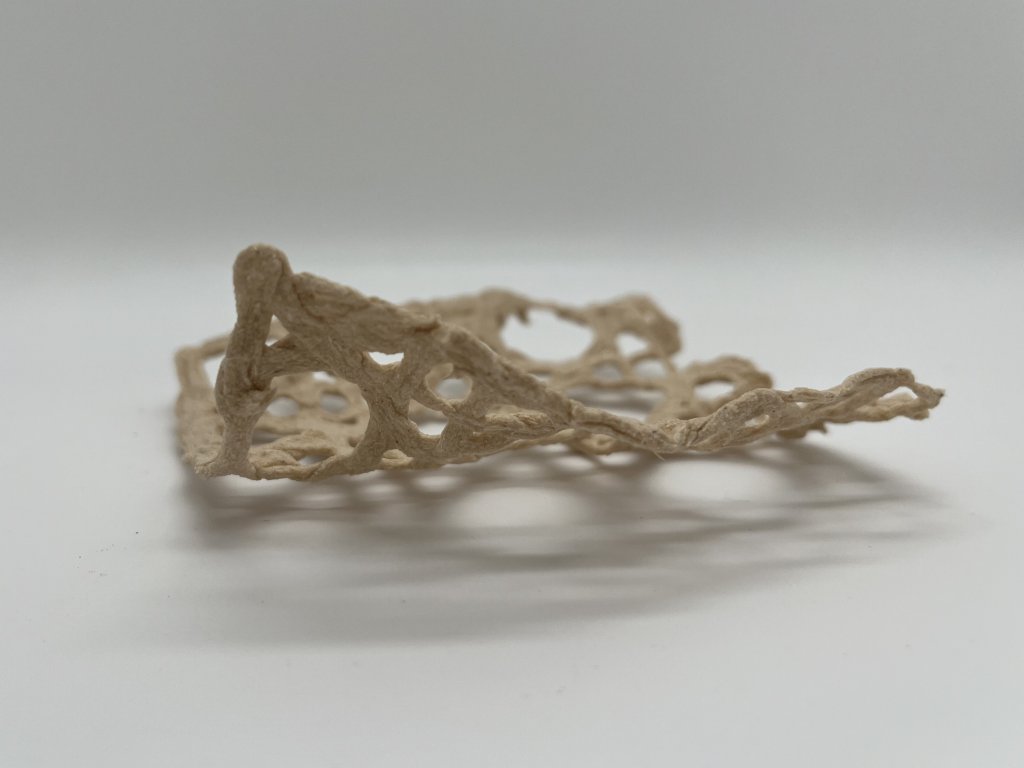
The 3D printing process was able to replicate the crafters' work patterns with precision and repeatability, resulting in 15 promising samples demonstrating material and binder combinations, with checks for strength, flexibility, and aesthetics. The samples show that sugarcane waste can become a viable 3D-printing filler.
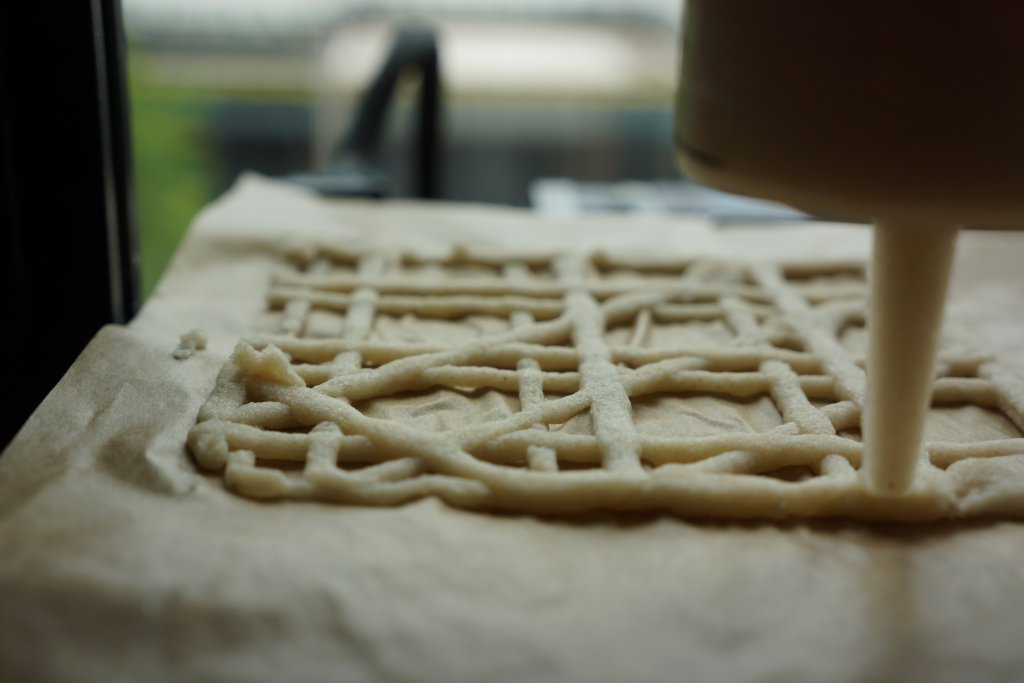
The Cuban context shaped every decision, in pursuit of a truly situated solution. The algorithm was designed to be simple enough for anyone to use, regardless of prior 3D printing experience, while cold extrusion was chosen as it conserves electricity, given Cuba’s current ongoing shortages, among other context-driven considerations.
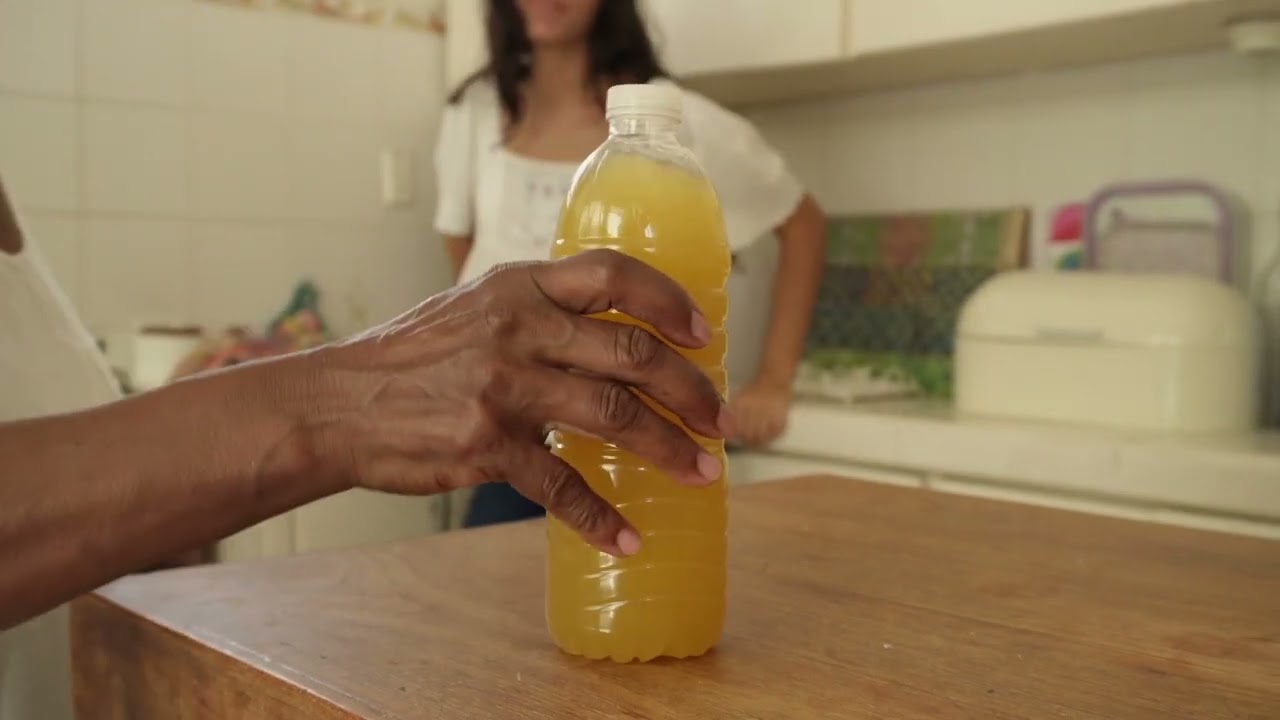
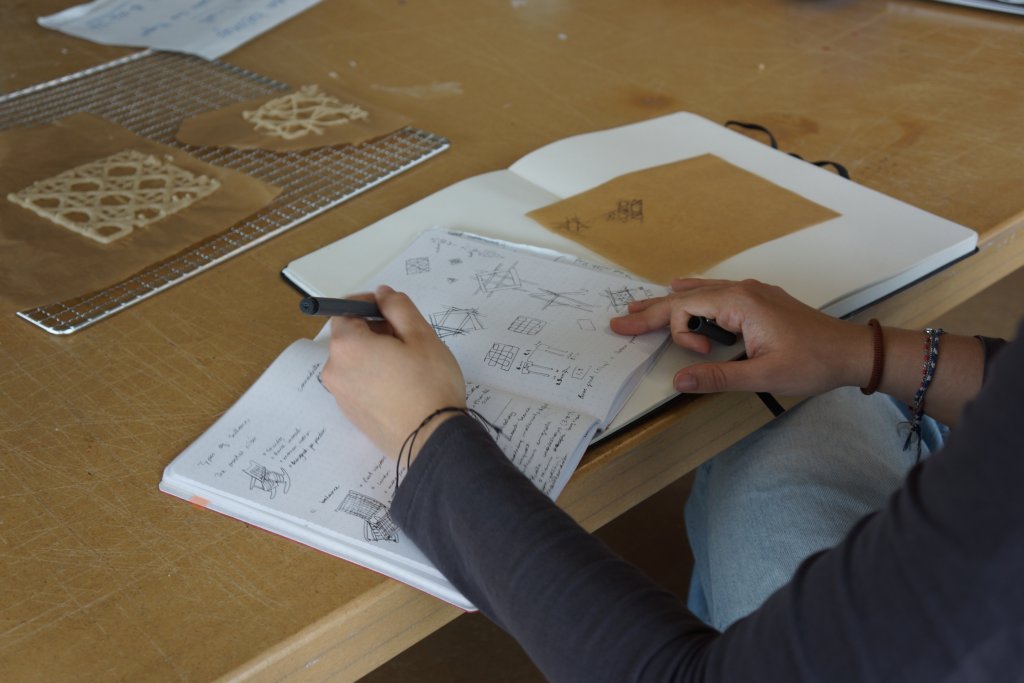
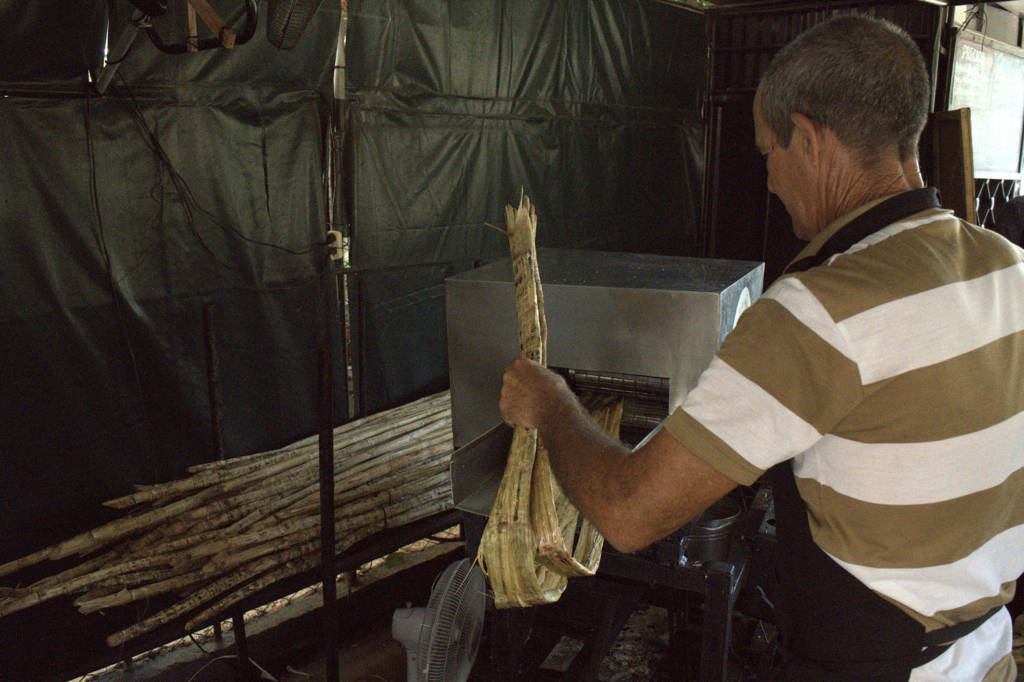
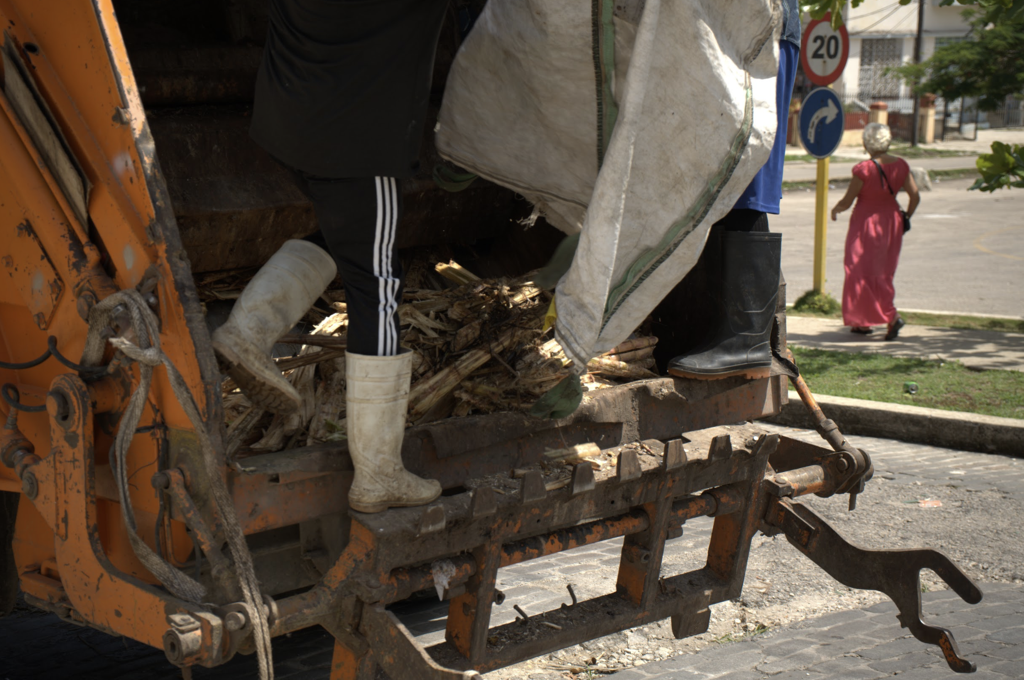
Cane, Culture and Code rethinks a waste stream through a completely new machine setting, offering an innovative, unconventional way to understand the material's behaviour. Its impact extends to craftsmanship and the digitalization of traditional crafts, offering a path forward in a world growing increasingly dependent on machines. The design does not replace the craft, it reinvents it, balancing ecological urgency with cultural identity. It also opens possibilities for building business and infrastructure highlighting resources from the global south.
However, support for new projects can be subjective, as crafters may resist adopting new machinery like 3D printing. Moreover, although the waste stream itself has bounded possibilities, its qualities should still be explored.