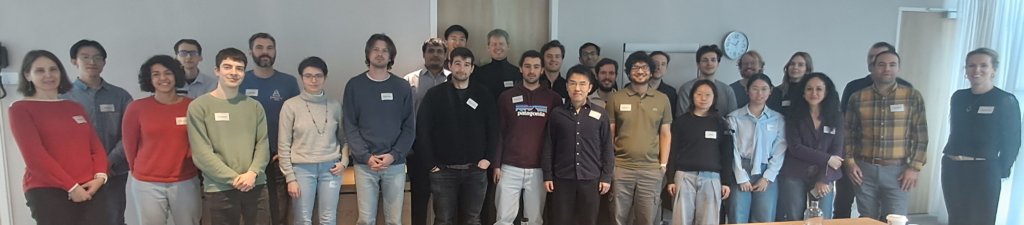




On Tuesday, 17 March 2026, the 4TU.NIRICT PhD School brought together 26 PhD candidates from across the Netherlands at the Crowne Plaza Utrecht Central Station for an inspiring day of lectures, discussions, and networking. The event focused on emerging computing paradigms, including sustainable computing, quantum computing, and neuromorphic computing. 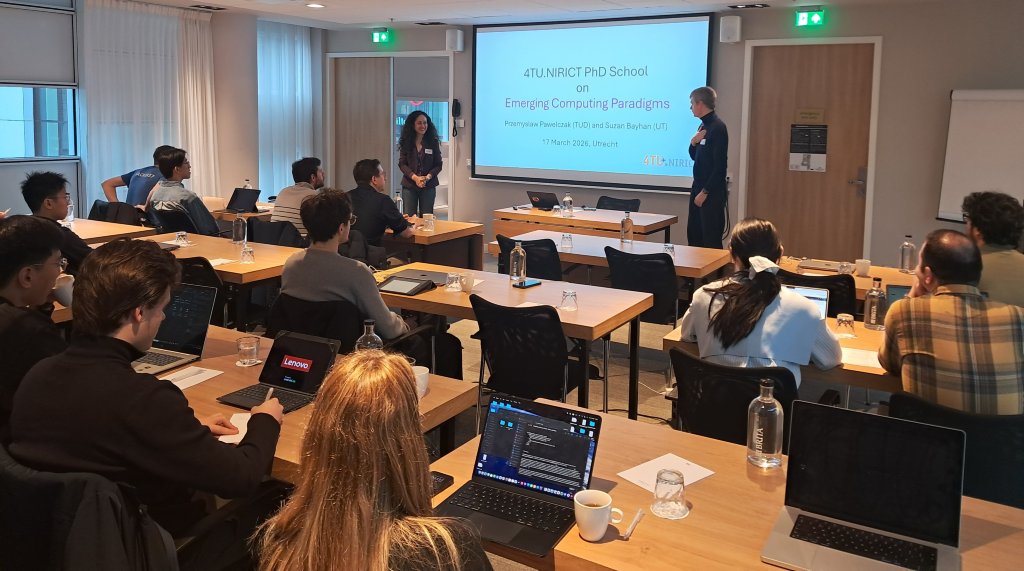
The day kicked off with a warm welcome by Przemysław Pawełczak (TUD) and Suzan Bayhan (UT), followed by an eye-opening lecture from Ana Varbanescu (UT) on sustainable computing. She highlighted the hidden waste in current computational practices, discussed ways to quantify and reduce compute waste in scientific computing and AI, and presented a system co-design strategy to demonstrate how zero-waste computing can be achieved. 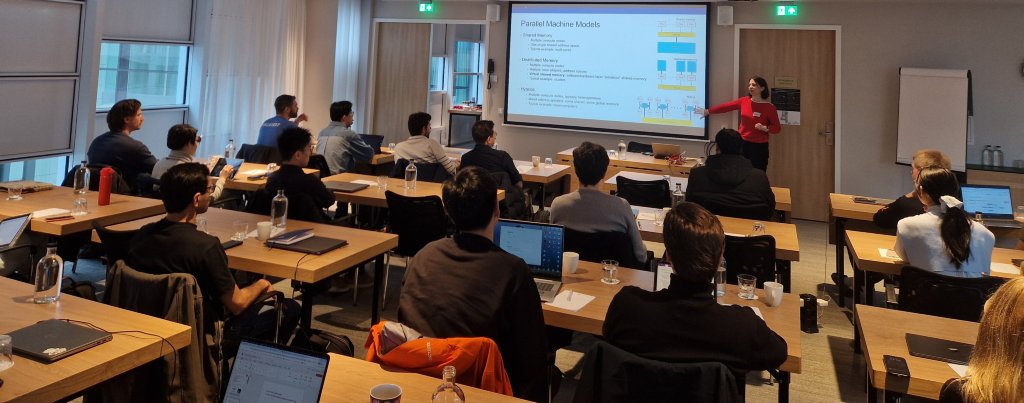
PhD candidates then had the opportunity to present their own research in short pitches and participate in an academic speed dating session, fostering collaboration and idea exchange. 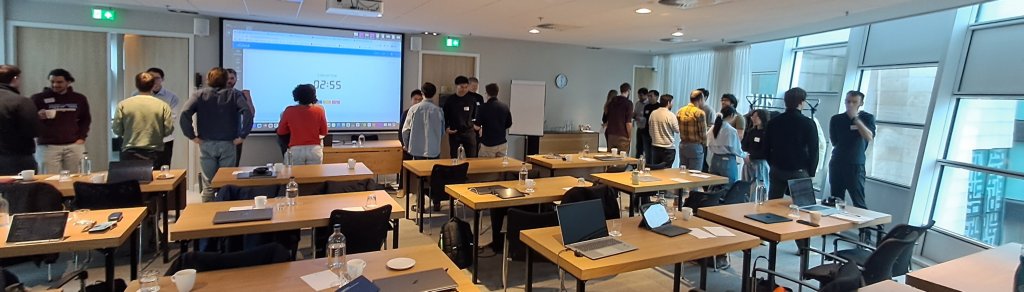
Next, Freek Witteveen (CWI) introduced the basics of quantum computing, explaining how quantum physics enables fundamentally different computational capabilities compared to classical computing. He discussed which types of problems quantum computing can help solve, as well as the challenges, prospects, and potential real-world applications of this emerging technology. 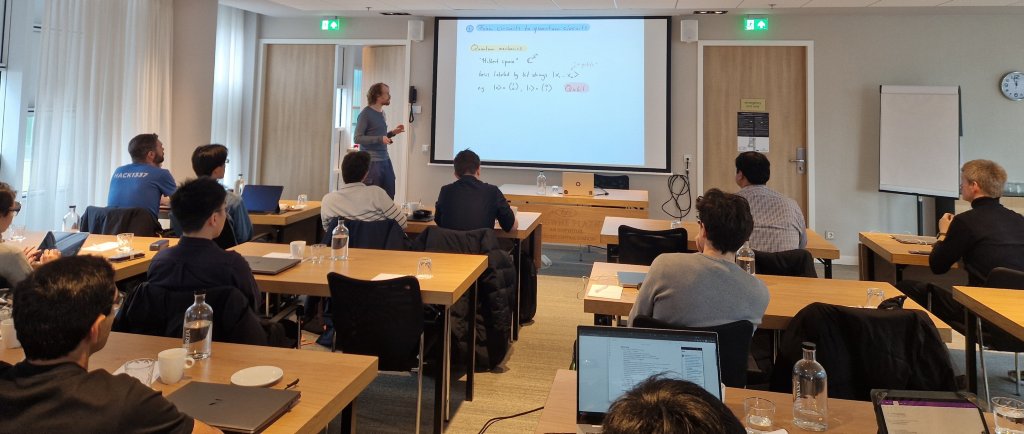
After lunch, participants engaged in group work and discussions: diving deeper into the topics and exchanging insights with peers from related fields. 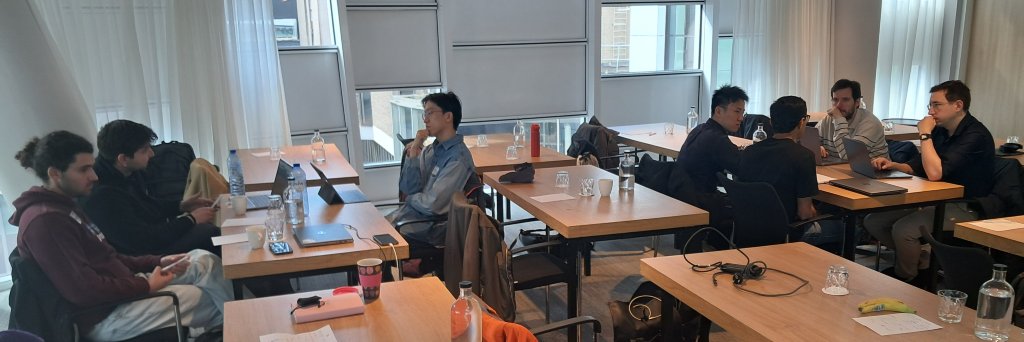
The final lecture by Federico Corradi (TU/e) explored Neuromorphic Edge AI, showing how biologically inspired, event-driven architectures can overcome the power and latency limitations of conventional edge computing. He highlighted the co-design of algorithms and hardware, focusing on Spiking Neural Networks, and demonstrated practical applications in agile robotics and ultra-low-power biomedical sensing. 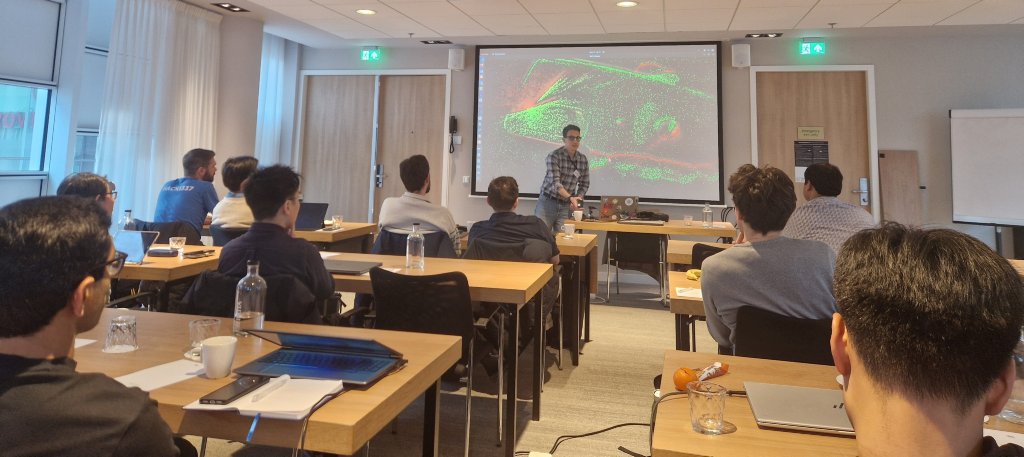
The day concluded with a networking drinks reception, allowing participants to connect, reflect on the lectures, and discuss potential collaborations. Participants also had the option to earn 1 EC by completing a follow-up group assignment.
This PhD School not only provided cutting-edge knowledge but also strengthened the 4TU community by bringing together researchers from Computer Science, Electrical Engineering, Mathematics, and related fields.
We are excited about the success of this NIRICT PhD School and look forward to organizing more PhD Schools in the future, continuing to foster interdisciplinary collaboration and knowledge exchange among young researchers.
For more information about 4TU.NIRICT and our upcoming events, take a look at our website or follow us on LinkedIn.