



Virginia Tassinari, Değer Özkaramanlı, Samuel Franklin, Annemiek van Boeijen, Ron Wakkary, Doenja Oogjes, Nolen Gertz, Michael Nagenborg
We set a challenge to create a series of objects – probes that can open a conversation at the intersection of design and philosophy. We introduce these probes into an unstructured dialogue — a polylogue, given that there are eight of us — where the objects themselves serve as the starting point for the conversation. Each participant can bring books/texts containing philosophical theories and concepts that might relate to the object or stimulate the questions it could evoke, though this is not known in advance. At the heart of this polylogue is our probe cabinet containing all the designed probes throughout the project, acting as dialogue starters.
Can probes facilitate dialogue at the intersection of design and philosophy?
Virginia Tassinari shared a personal archive - a designed critical fabulation, meaning a photographical archive with commentaries of short stories related to the history of textile within her family. The artefact functions as a starting point for reflecting on positionality and power relations, particularly those connected to patriarchy and capitalism. The material exploration brings a critical stance in the picture, supporting the articulation of one’s own positionality and intergenerational histories of oppression. The critical, affirmative thinking comes through a material form of speculation. This personal auto-ethnographic work underpins more design-oriented work -positional, situated, embodied tools, etc, in the making throughout the process. Autohistoria/theoria (Anzaldua) was identified as the basis for experimentations in design justice.
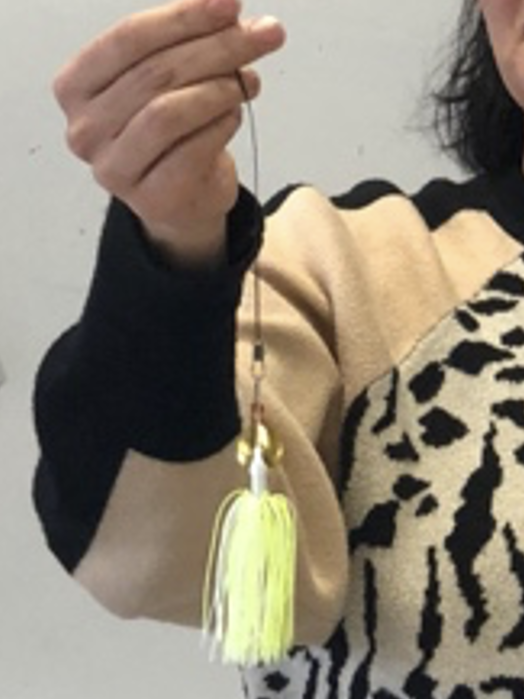
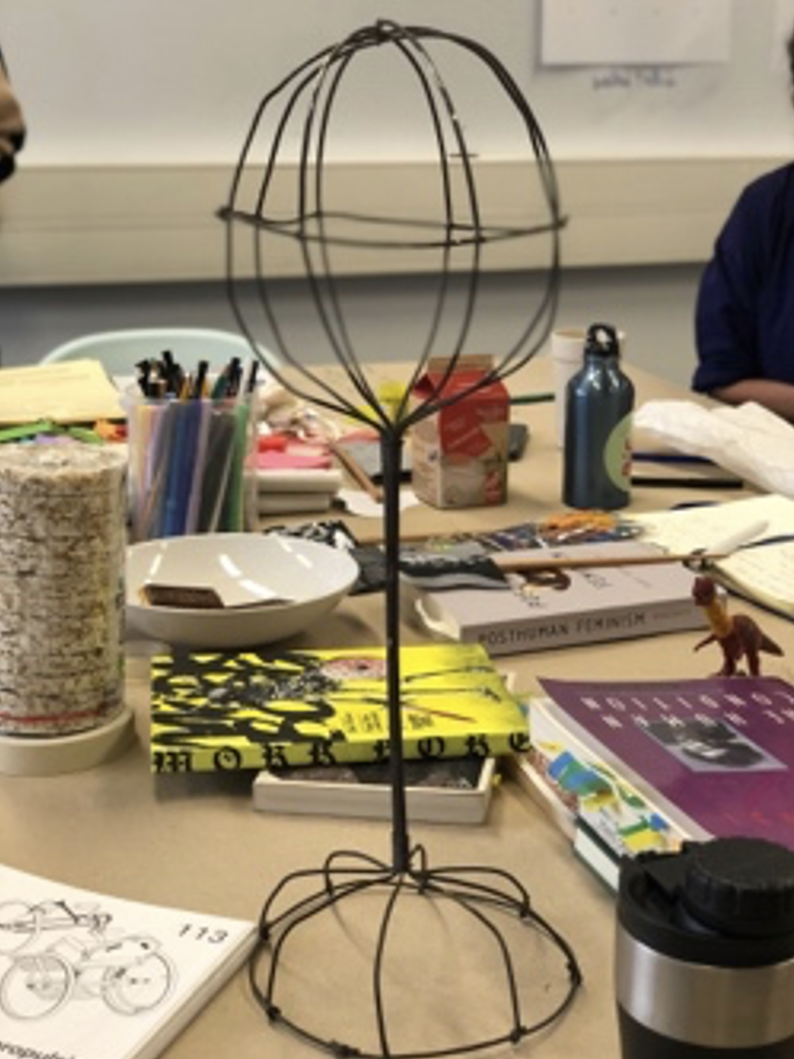
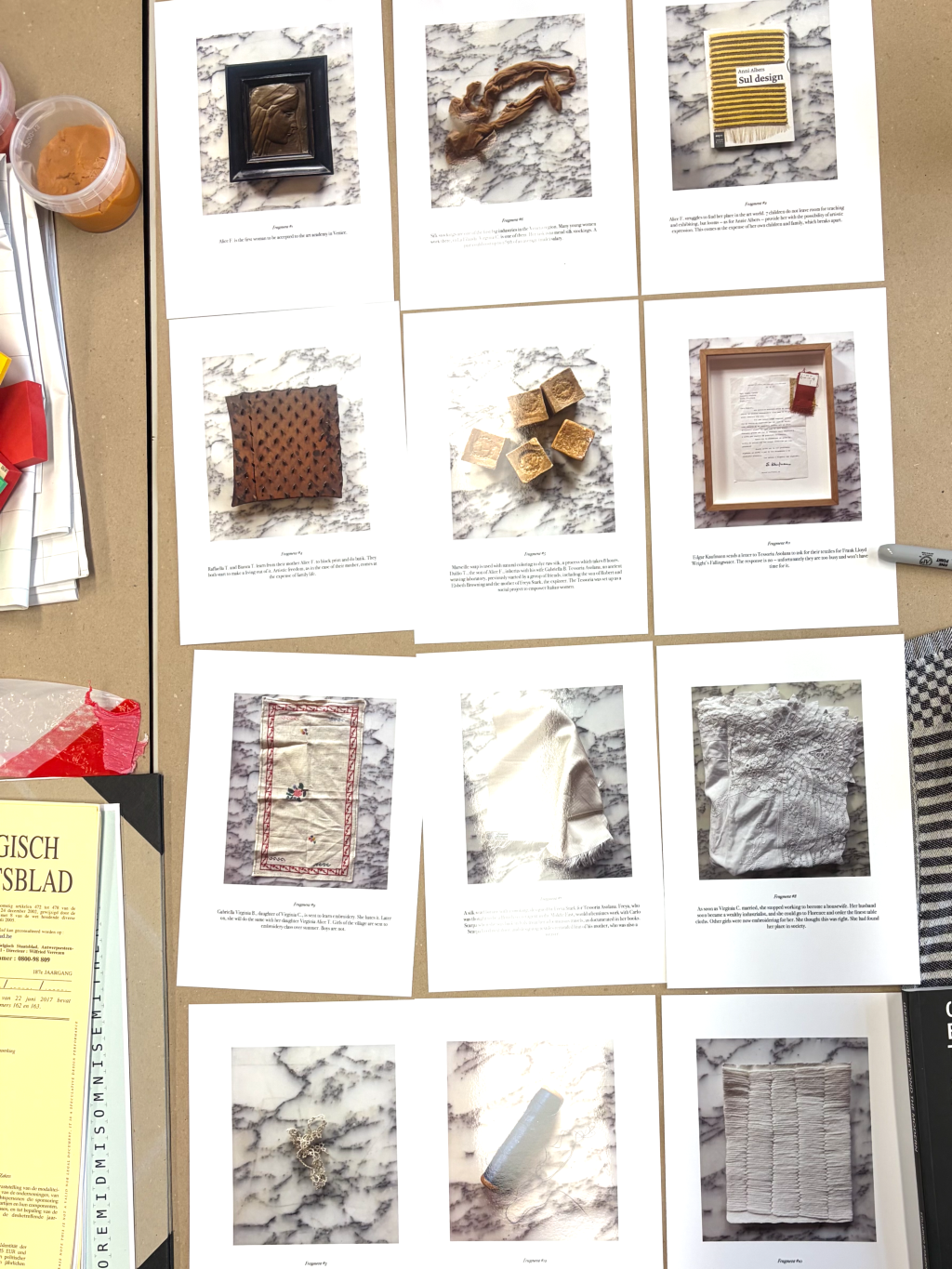
An impression of a Design & Philosophy probe workshop
Through D&P probe, we’re exploring design-led approaches to surfacing questions that are rarely asked or investigated in efficiency-driven research or professional practices, which is increasingly accelerated by the use of AI. By leveraging the decelerating effect inherent in the making of probes, we hope to generate deeper insights and develop alternative forms of design research that are rooted in both critique and transformation.
One potential limitation is that this open, unhurried approach to inquiry might encounter resistance within a pragmatic, goal-oriented design culture. However, that was not a concern in this project as it was mainly self-funded with in-kind contributions of researchers’ time. Our next step is to further investigate this working method by engaging additional philosophers and design researchers.