



Edelweiss Juliea
When was the first time you realised your skin has colour?
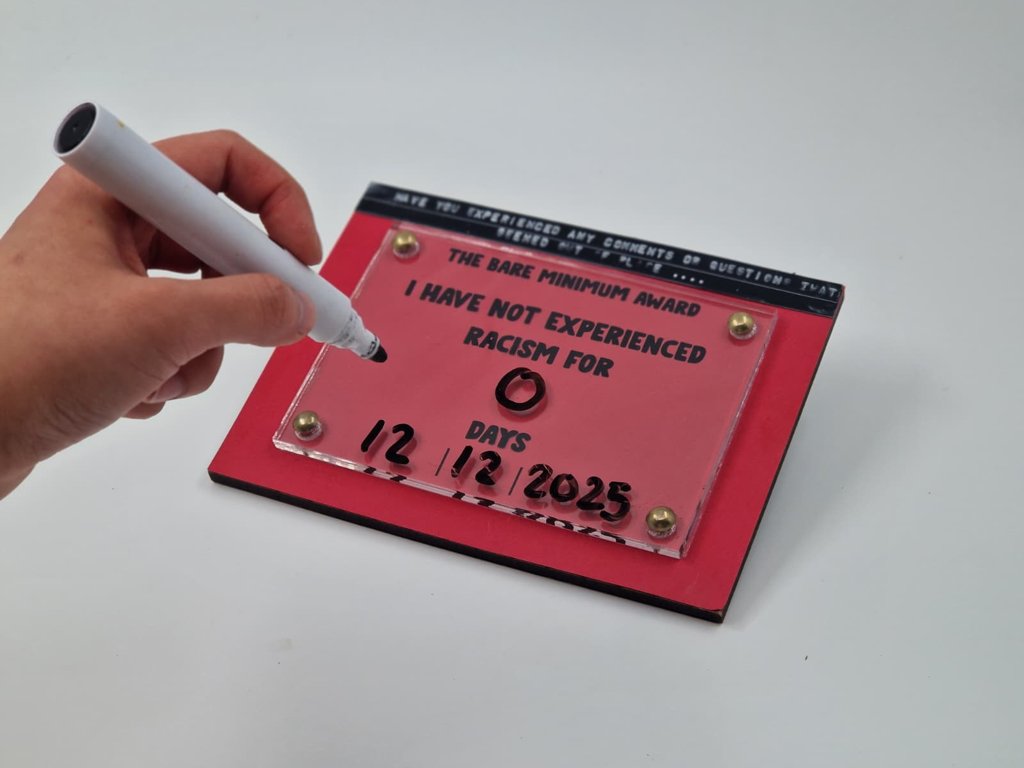
We created seven intervention tools that highlight needs from the “before, during, and after” stages of the experience of a microaggression. These are integrated in a fictional website called the ‘Micro Intervention Mart’ which presents the tools for sale. These tools were designed with the help of multiple co-creation sessions where we explored design Fiction and design Activism, paper prototypes, and shared experiences around the table in a safe setting. While everyone's detailed experience is unique, we noted a clear pattern of frustration, fear, and a need to practice what to say. In my thesis, I used a research through design approach with a core of Participatory design, as well as the option of Design Fiction combined with Design Activism to explore this context.
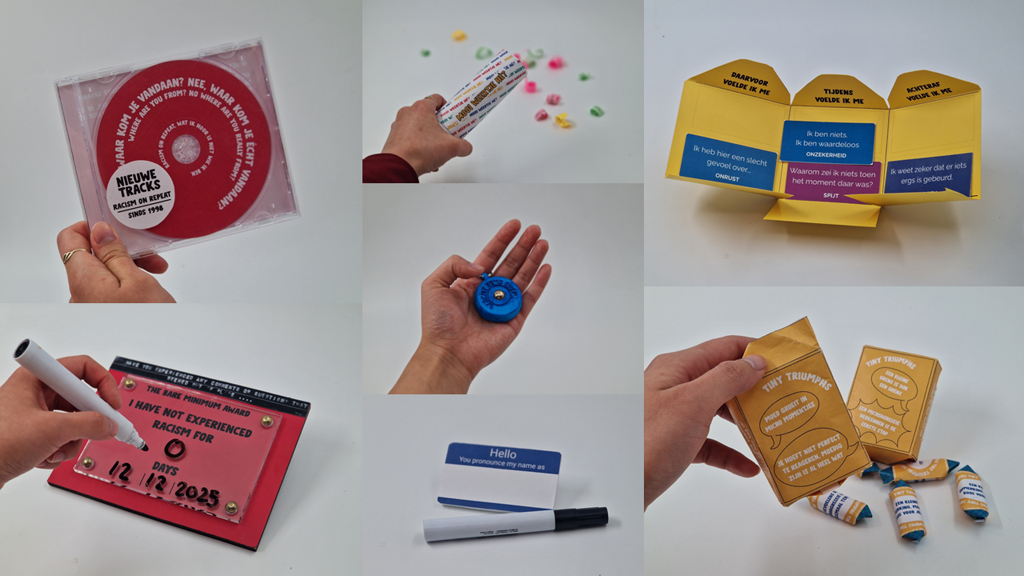
This study approach inspired participants to see different ways of coping with microaggressions, and it created awareness of the experience of subtle racism. Although time was limited to four months of exploring, designing, and testing, in the surveys and interviews participants showed that their intention to address microaggressions had shifted knowing this be a perceived observation and not action-based observations. Worth noting is that In this study, we only explored the perspective of a group of Dutch Asians participants, and not all diaspora communities.
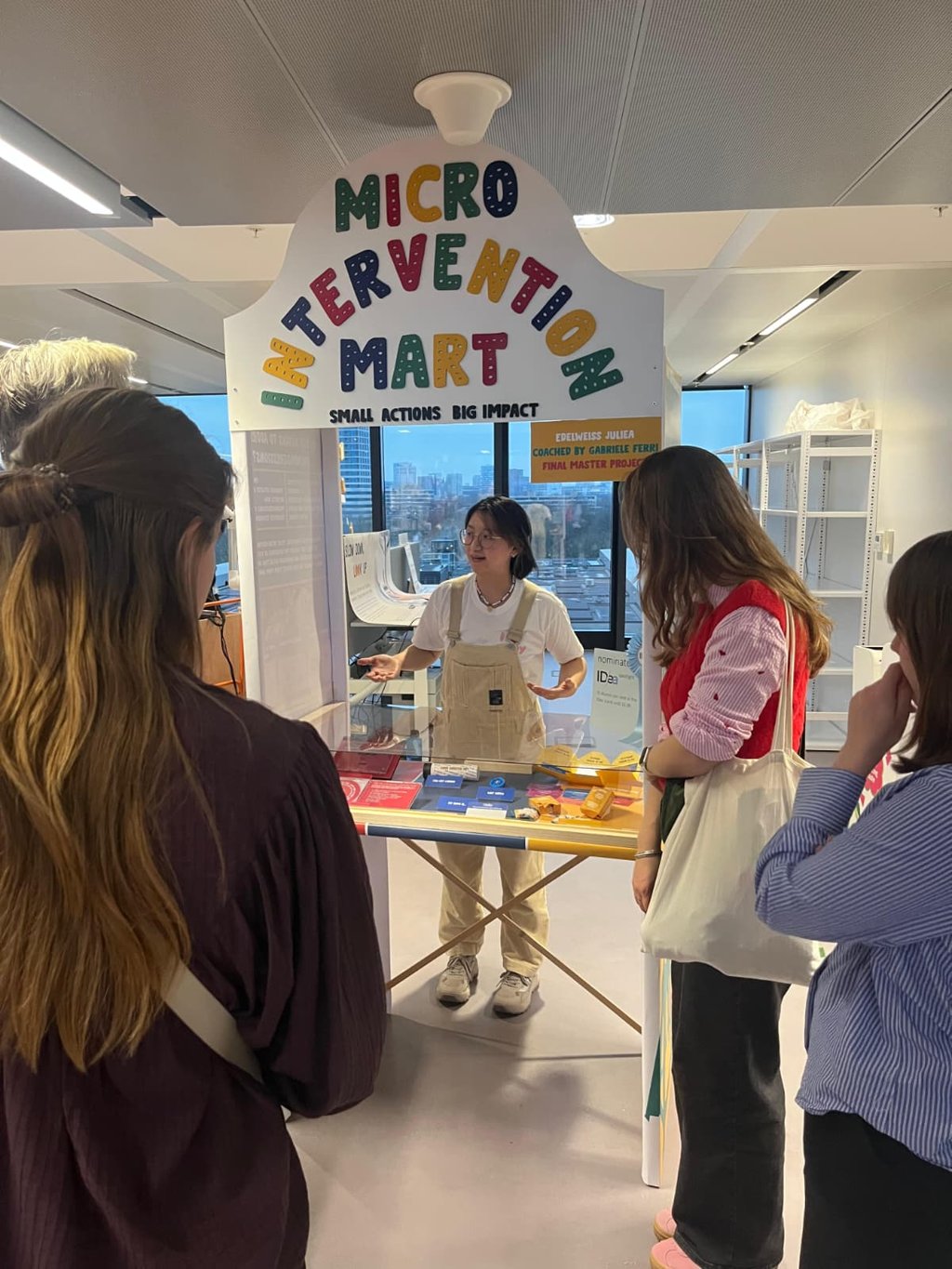
#MicroInterventionMart