

The climate crisis will significantly impact the sea level, precipitation, wind and heat. It poses severe challenges for the health of citizens, food safety, and water management. Climate adaptation and mitigation are both essential, but now often act separately, both damaging the other. The faculties that participate in 4TU.Built Environment comprise many experts who work collaboratively on research projects and use their expertise to work towards a better strategy: synergy instead of discord.
Synergy between adaptation and mitigation is essential to reach climate goals and adapt our society to a changing environment. Separately, they harm each other (e.g. building dikes for water safety releases large amounts of CO2, worsening the issue that causes dikes to need to be reinforced in the first place). Together, they can make each other stronger (e.g. a nature-based river protection design reduces both flood risk and absorbs CO2).
The 4TU.Built Environment program Climate Adaptation and Mitigation puts focus upon four main topics. The challenges these major topics bring are largely intertwined with other 4TU.Built Environment programs. Moreover, in order to solve these issues, 4TU.Built Environment seeks solutions through research in design and engineering in collaboration with stakeholders and public engagement.
Topics the Climate Adaptation DAT Addresses
Emission Reduction
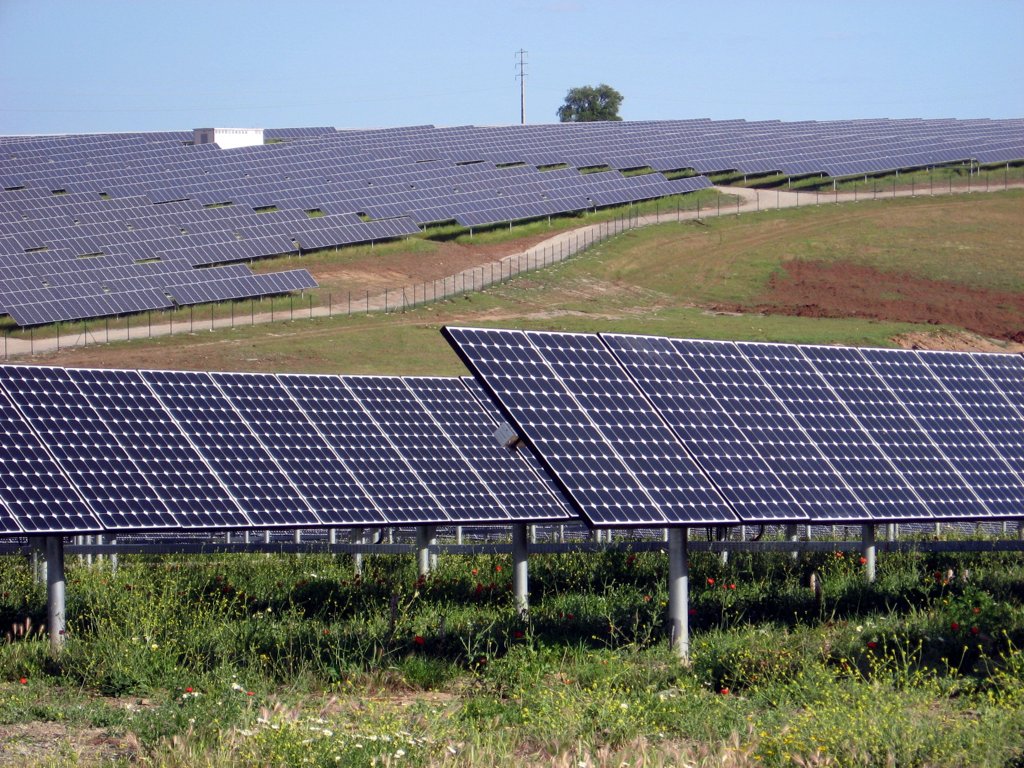
An important focus point of the Climate Adaptation and Mitigation program is emission reduction. It should be achieved in a time when the Dutch housing stock is expanding and renovated. Emissions can be prevented by using low-carbon building materials and smart building strategies for instance. Especially large operational emission reductions are achievable by renovation of existing buildings due to the combination of enhanced efficiency and number of buildings. To improve this process over time, piloting and monitoring in living labs is a major point of interest.
Development of Energy-Efficient Infrastructure
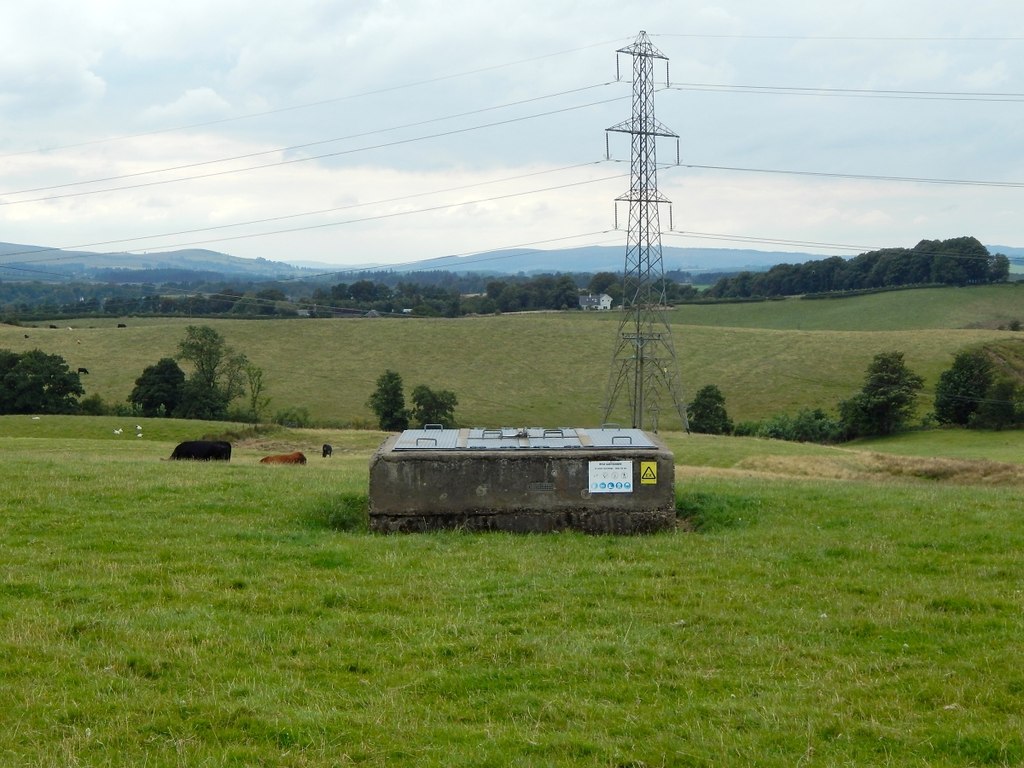
Not only individual buildings should be adapted, but the urban plan has to change as well. With an increasing number of people moving to urban areas, the supply and removal of necessities should remain ensured. Hence, an energy-efficient infrastructure is required for systems such as mobility (4TU.Built Environment Infrastructure and Mobility program) as well as water supply to and retrieval from the urban area.
Water Management
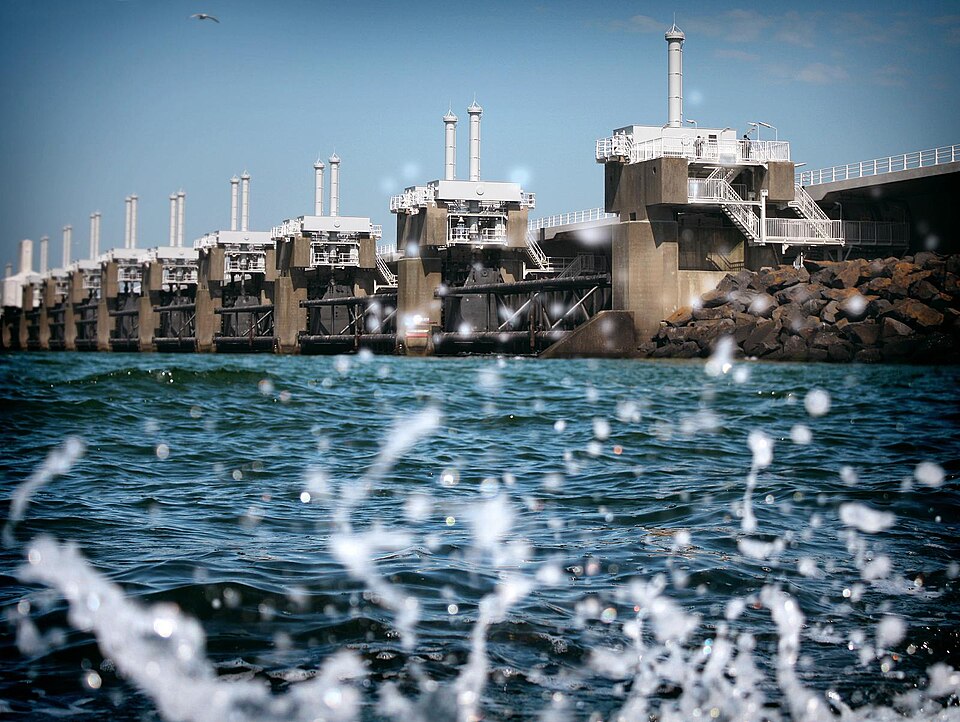
Dutch water management as response to the changing climate is traditionally focused on flooding prevention by for instance rising sea levels. Currently, however, not only excess water but also draught plays an increasingly important role. To accelerate the climate adaptation, methods to utilise rainwater should be developed in order to prevent draughts in places with excess heat such as densely built cities.
Urban Heat Island Management
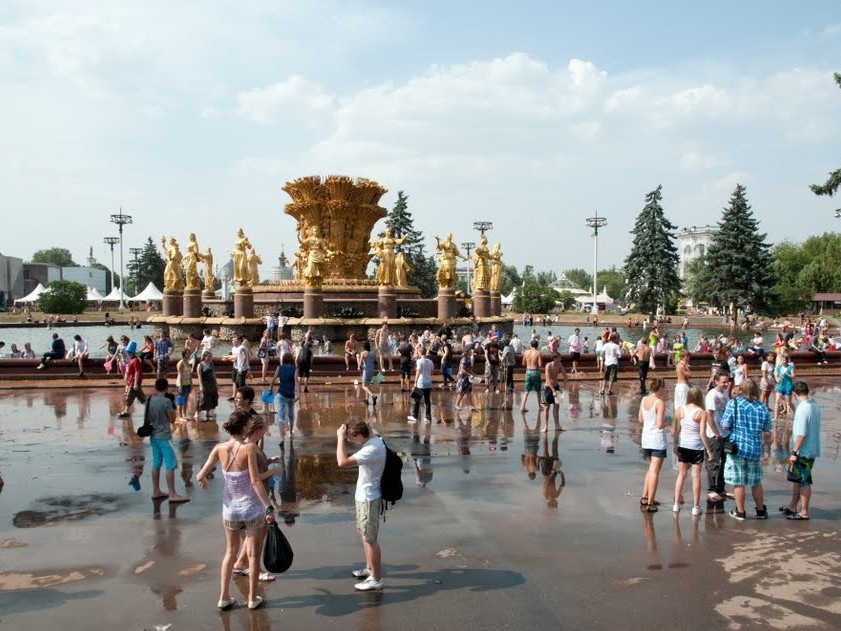
The need to expand the Dutch housing stock increases the building density in cities which contributes to more severe effects on the already existing undesired urban heat islands. This challenge asks for solutions on different scales, tailored to boundary conditions per region. Measures to mitigate urban heat islands are ideally developed such that they contribute to resolving other issues related to climate adaptation as well.